
MP Alawathuwala overstates increase in food expenses
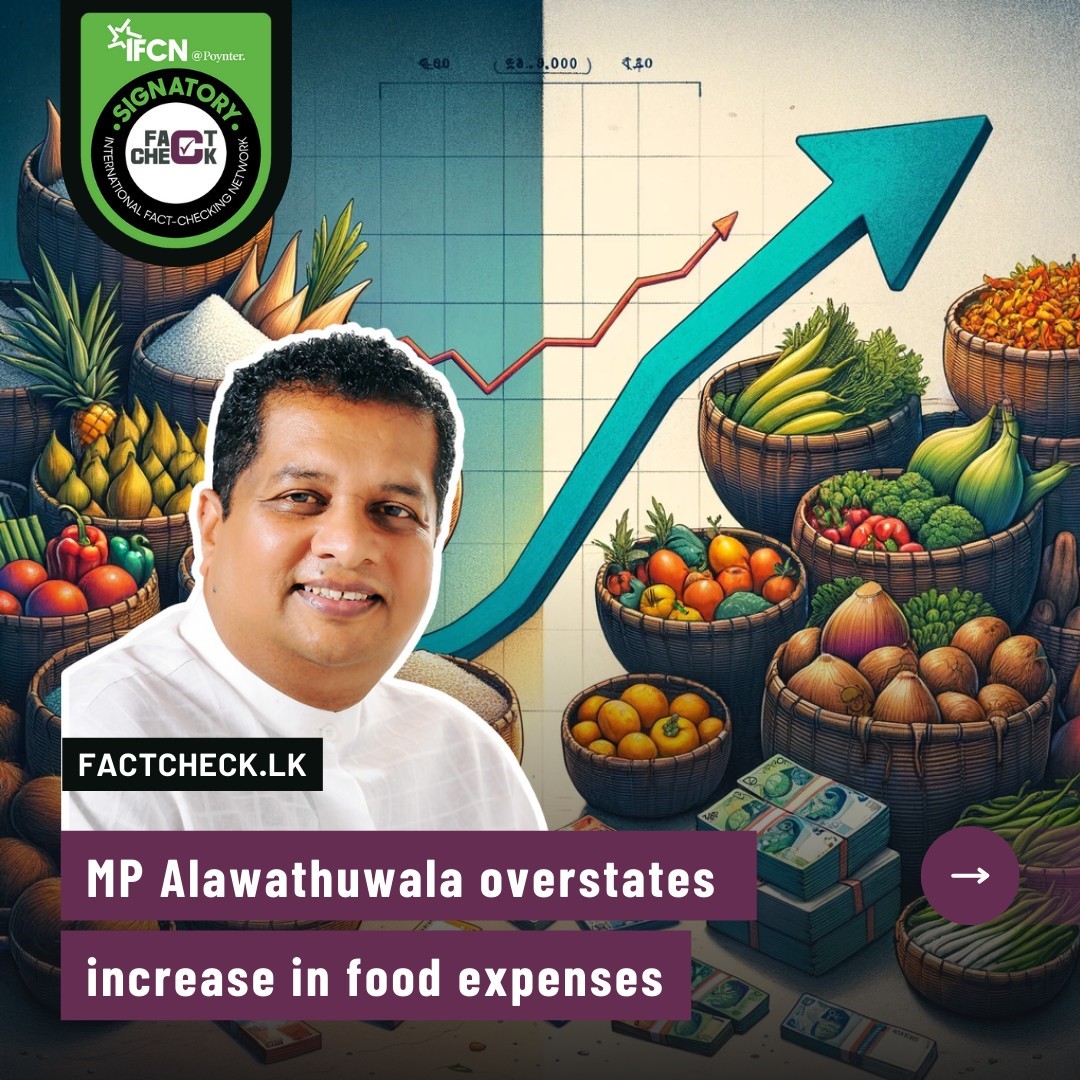
Have food expenses tripled since 2019 in Sri Lanka? MP J. C. Alawathuwala claims they have. Let’s investigate.
For more information, click here
This week in The Media Analysis...
01. Elections: Positionings of political parties
Disclaimer: This week’s TMA focuses on the media discussions surrounding preparations by political parties and/or coalitions in anticipation of an election in 2024.
Photo credits: The Island
Event: The Sinhala media covered election-related news over the past few weeks in anticipation of 2024 being an election year. These reports included, but were not limited to, the following:
On January 9, the UNP Management Committee announced the decision to nominate President Ranil Wickremesinghe as the national candidate for the 2024 Presidential Election. [1][2] On the same day, President Ranil Wickremesinghe revealed to the committee his intention to schedule the presidential election for September 2024, followed by the general election in January 2025.[3][4]
In accordance with the Constitution of Sri Lanka, it is required that the next presidential election be held between September and October 2024.[5][6] As such, the Commissioner General of Elections Saman Ratnayake confirmed that the Elections Commission (EC) would conduct the next presidential election within the stipulated time.[7][8]
Analysis
Over the past two weeks, discussions pertaining to political parties/coalitions preparing themselves in anticipation of an election continued to prevail in the Sinhala media coverage. Whether it will be a presidential or parliamentary (general) election that will be held remained ambiguous in media reporting. Election-related campaigning activities led by the NPP stood out in Sinhala social media posts with the highest interactions.[1]
In light of the political parties/coalitions preparing themselves for an election, this week’s TMA will unpack the political positioning of each party/coalition.
Table 1: The positions of political parties/coalitions
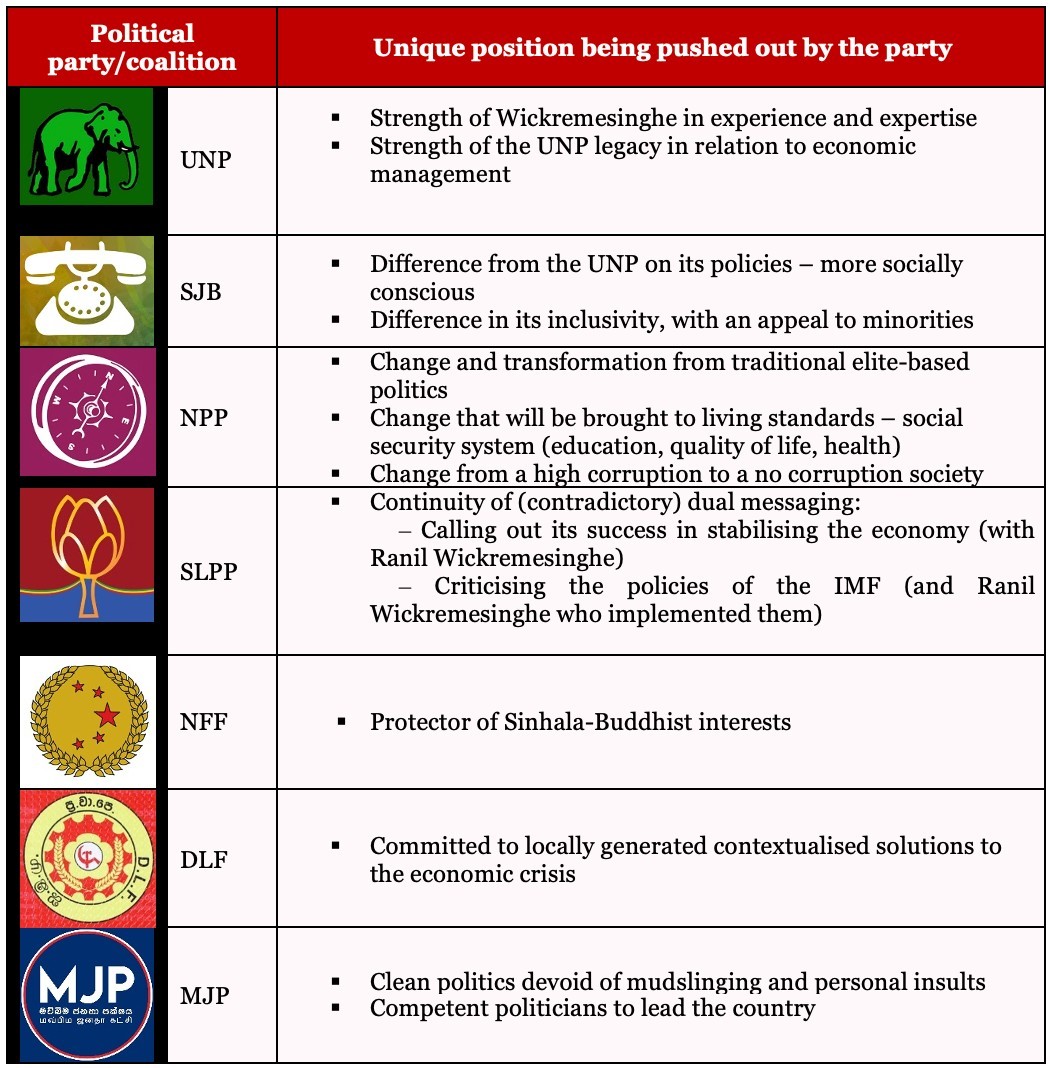
As featured in Table 1, the positions of each of the political parties/coalitions will be briefly analysed below.
The UNP positioned itself as the only political party capable of safeguarding the country’s future, with a particular emphasis on the economic front. This positioning drew on two long-standing perceptions: (a) the UNP’s ‘legacy’ of economic management and positive foreign relations and (b) political experience and economic expertise of Ranil Wickremesinghe. [2]
The state media recast the existing view of Wickremesinghe as one who doesn’t succeed in elections as ‘undefeated’ in previous presidential elections (most of which he did not contest). They attributed his defeat at two past elections to external circumstances rather than his lack of appeal. These circumstances featured in the state-
owned Dinamina included former President Chandrika Bandaranaike Kumaratunga winning the election after the bomb explosion in 1999 and former President Mahinda Rajapaksa winning the election following the LTTE enforcing a voting boycott in the North in the 2005 election.[3] Additionally, UNP Chairperson Wajira Abeywardana presented Wickremesinghe as a ‘strong’ presidential candidate striving to ‘win-over the world’ capitalising on the perception of the expertise of Wickremesinghe in economic matters and foreign relations.
The SJB positioned itself on two distinct fronts. First, it distinguished itself from the UNP–a party historically seen as ‘elitist’ and ‘capitalist’–despite its members being in the UNP until 2020 when they broke away. The UNP had often been criticised for liberalising the economy and serving the interests of elite businesses over the well-being of the poor and working class.[4] The SJB placed prominence on its policies rooted in social democracy and welfare of the people. Second, the SJB portrayed itself as the preferred choice of the minority voter constituency. For instance, SJB General Secretary Ranjith Madduma Bandara claimed that the Tamil people are ‘on their side’ by drawing on the results of the previous presidential election.
The JVP-led NPP strategically positioned itself as the party aiming to implement ‘system change’ (as demanded during the aragalaya) within Sri Lanka’s political culture focusing on three key aspects. First, it positioned itself as an alternative to the traditional political parties that have historically been dominated by dynastic and family-based politics such as the UNP and SLPP/SLFP.[5] Second, the NPP positioned itself as the only party untainted by corruption, in contrast to other political parties.[6] Therefore, it positioned itself as the most ‘effective’ party to transform the country’s deep-rooted corrupt political culture. Third, the NPP presented itself as a party capable of improving the deteriorating living standards in the country. In doing so, it projected itself to be capable and sympathetic to address the multiple grievances of the masses.
The SLPP maintained its (contradictory) dual messaging, where it appeared to be selectively taking advantage of unfavourable public opinion of Ranil Wickremesinghe while also supporting his potential as a presidential candidate based on his ability to steer the economy. This has been discussed in previous issues of TMA as well.[7] For instance, MP Prasanna Ranatunga mentioned that Wickremesinghe deserved ‘another chance’ to revive the economy and stabilise the country.[8] Similarly, SLPP MP Nimal Lanza extended support to Wickremesinghe as there was ‘no hope’ in any other candidate. By contrast, SLPP MP Tissa Kuttiarachchi overtly criticised the government, and by extension President Wickremesinghe, for the burden imposed on people through the increased VAT. The party’s (contradictory) dual messaging appeared to be aimed at different segments of society in which Wickremesinghe is viewed favourably or unfavourably.
The National Freedom Front (NFF) led by Wimal Weerawansa positioned itself as the protector of Sinhala-Buddhist interests on two counts. First, the party reaffirmed its identity of engaging in ‘nationalist politics’ by voicing Sinhala-Buddhist interests.
[9] Second, the NFF positioned itself as an opponent of ‘imperialist forces’ that pose a threat to the above interests. In line with this stance, Weerawansa framed Wickremesinghe negatively as standing for the interests of ‘imperialist’ forces at the expense of the Sinhala- Buddhist concerns. For instance, he criticised Wickremesinghe of being backed by Western foreign powers such as the US, the UK and India.[10] This line of criticism highlighted the NFF’s nationalist positioning depicting ‘external influences’ as undermining the sovereignty of Sri Lanka.
The Democratic Left Front (DLF)–under the leadership of Vasudeva Nanayakkara, and as part of the Supreme Lanka Coalition–positioned itself as a ‘leftist social democratic party’.
Its policies appeared to centre around a locally oriented approach to addressing the economic crisis, one that does not involve adherence to IMF conditions.
The Mawbima Janatha Party (MJP), a newly established political party headed by entrepreneur and media proprietor Dilith Jayaweera,[11] positioned itself with two main messages.[12] First, the MJP positioned itself as a party committed to ‘clean politics’ devoid of mudslinging and personal insults, to bring about a change within Sri Lanka’s political culture. Second, the party portrayed itself as embodying ‘competent politicians’ to lead the country. By projecting itself as a ‘competent’ political party engaging in ‘clean politics’, the MJP appeared to appeal to the voter base that voiced its dissatisfaction during the aragalaya with the current parliamentarians who were depicted to be incompetent, ineffective and insincere.[13] In line with this commitment, Party Leader Dilith Jayaweera stated that the MJP policies will be focused on the four concepts of ‘culture, entrepreneurial state, motivation and strategic planning’, moving away from traditional politics.
Outside of the above positions of the political parties/coalitions, the Sinhala media, especially privately-owned Mawbima, resurfaced a popular election-themed proposal advocating for the abolishment of the executive presidency. This proposal has been a long-standing public concern, and has garnered widespread support due to the significant power concentration it places in a single individual and the immunity it grants to the president.[14]
Overall, the Sinhala media coverage during the past two weeks revealed the position of each political party/coalition in anticipation of and preparation for an upcoming election.
[1] In accordance with TMA’s methodology to monitor social media, the TMA team filtered the 10 posts with the highest interactions on Facebook in Sinhala for the terms election, vote and candidate using CrowdTangle, from January 7 to January 19.
[2] See TMA Vol.10, #25, Vol.10, #28 and Vol.11, #23.
- For more information, see https://www.nycom/1999/12/19/world/bombs-at-2-sri-lanka-election-rallies-injure-president-and- kill-21.html and https://www.ft.lk/columns/LTTE-s-enforced-boycott-in-2005-led-to-its-downfall-in-2009/4-752377.
- See TMA 09, #37.
- See TMA 10, #25 and Vol.09, #41.
- See TMA 13, #05.
[7] See TMA Vol.13, #40, Vol.13, #42 and Vol.13, #43 & 44.
- For more information, see https://lankaleader.lk/news/7357-ranil-should-be-given-another-chance-says- prasanna and https://www.dailylk/breaking-news/Ranil-best-option-for-presidency-Prasanna/108-275138.
- See TMA 04, #30.
- See TMA 11, #23.
- For more information, see https://sri-lanka.mom-gorg/en/owners/companies/detail/company/company/show/power-house- limited/.
- For more information, see https://sri-lanka.mom-gorg/en/owners/individual-owners/detail/owner/owner/show/dilith- jayaweera/.
[13] See TMA Vol.12, #15 & 16 and Vol.12, #17.
[14] See TMA Vol.12, #20, Vol.12, #21 and Vol.13, #40.
02. The Language Divide
Signposts the diWerences and nuances in reporting between Sinhala and Tamil language newspapers
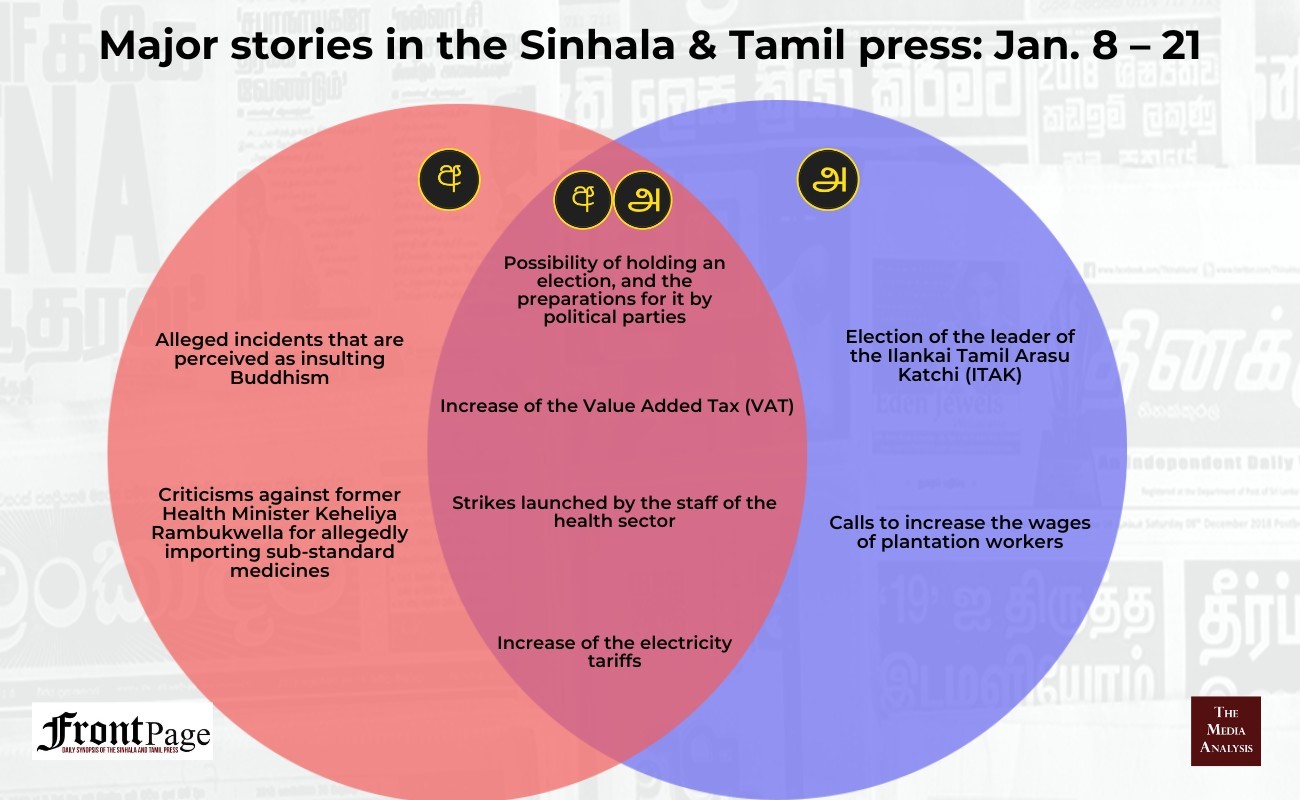
The past fortnight’s Sinhala and Tamil press converged in relation to four main stories. The four main stories were on the: (i) possibility of holding an election, and the preparations for it by political parties; (ii) increase of the Value Added Tax (VAT); (iii) strikes launched by the staff of the health sector; (iv) increase of the electricity tariffs. The Sinhala press exclusively covered two stories. These were on: (i) alleged incidents that are perceived as insulting Buddhism and (ii) criticisms against former Health Minister Keheliya Rambukwella for allegedly importing sub-standard medicines. The Tamil press exclusively covered (i) the election of the leader of the Ilankai Tamil Arasu Katchi (ITAK) and (ii) calls to increase the wages of plantation workers.
Do you want to see the divided priorities on a daily basis? Check out FrontPage. It captures the day’s headlines and features succinct summaries of the political news reported in the most widely read Sinhala and Tamil newspapers.
Farmers in Batticaloa marked Patti Pongal (day of gratitude for cattle) as a black day: How did TV channels cover it?
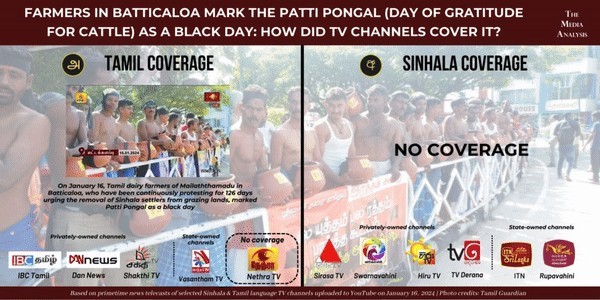
On January 16, Tamil dairy farmers of Mailaththamadu in Batticaloa, who have been continuously protesting for 126 days urging the removal of Sinhala settlers from grazing lands, marked Patti Pongal as a black day. Privately-owned Tamil channels IBC Tamil, Dan News and Shakthi TV along with state-owned TV channel Vasantham TV allotted coverage of the incident. However, none of the Sinhala TV channels nor state-owned Tamil channel Nethra TV allotted any coverage of the incident.
03. The TV coverage of the issue
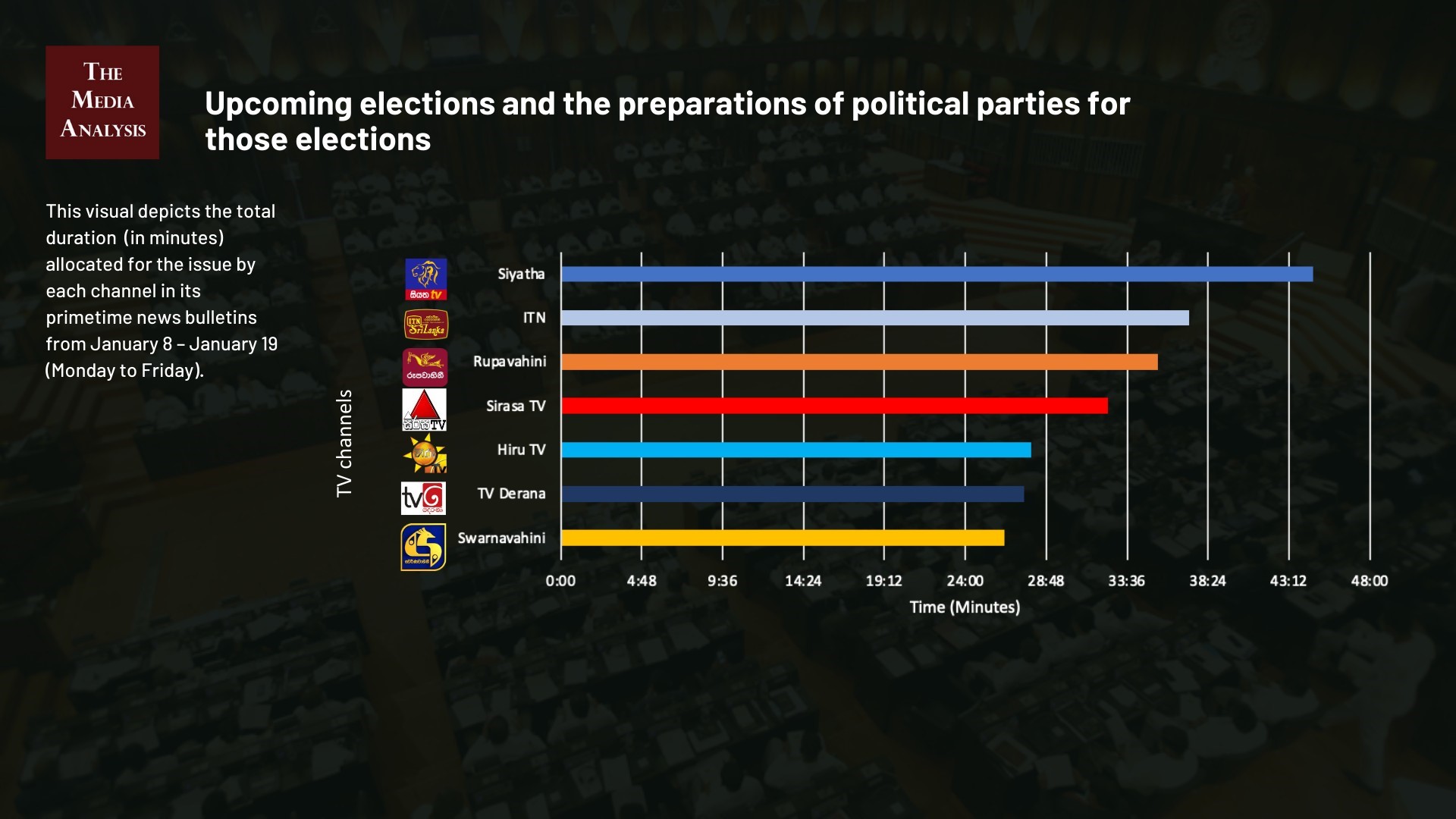
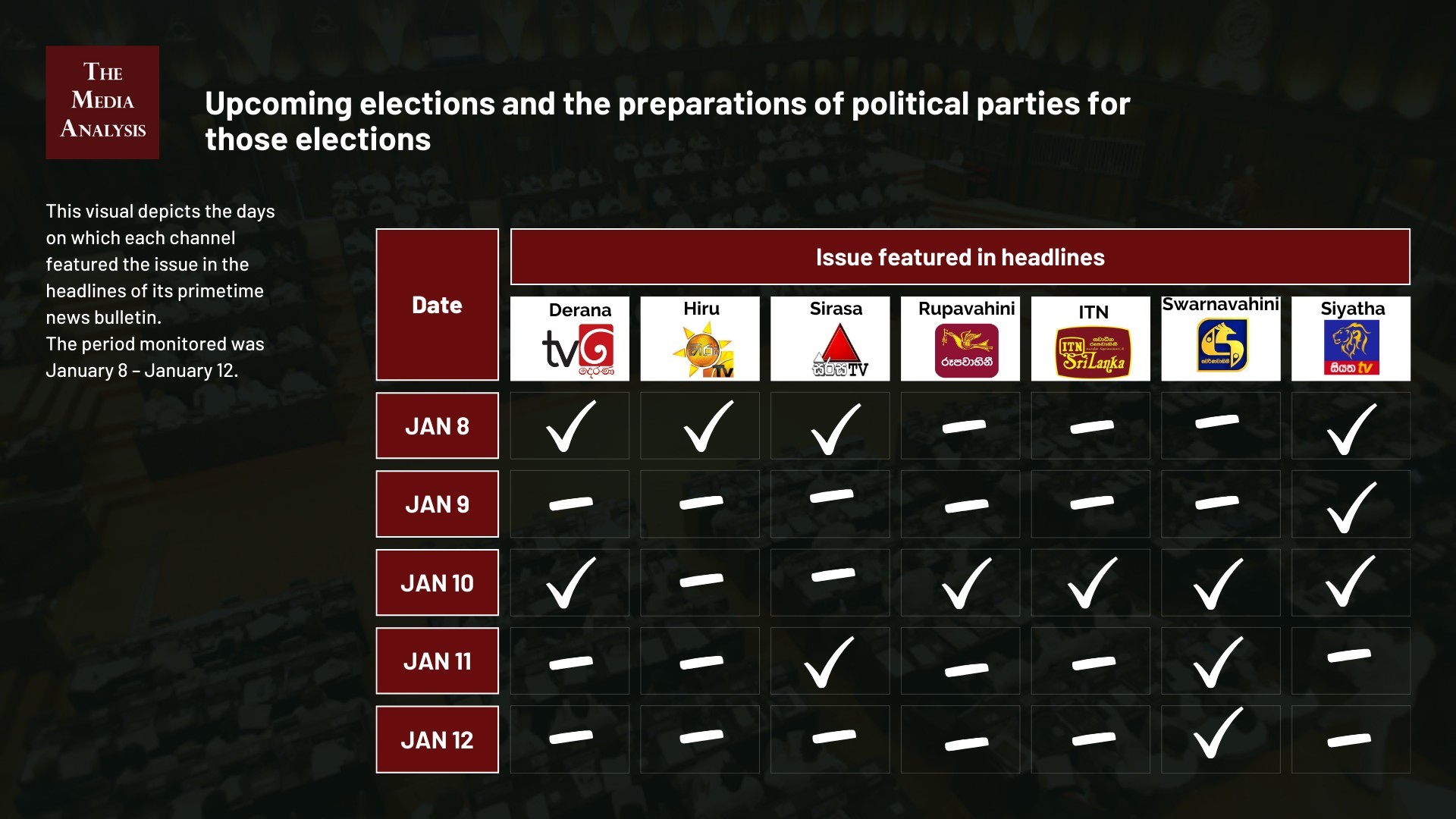
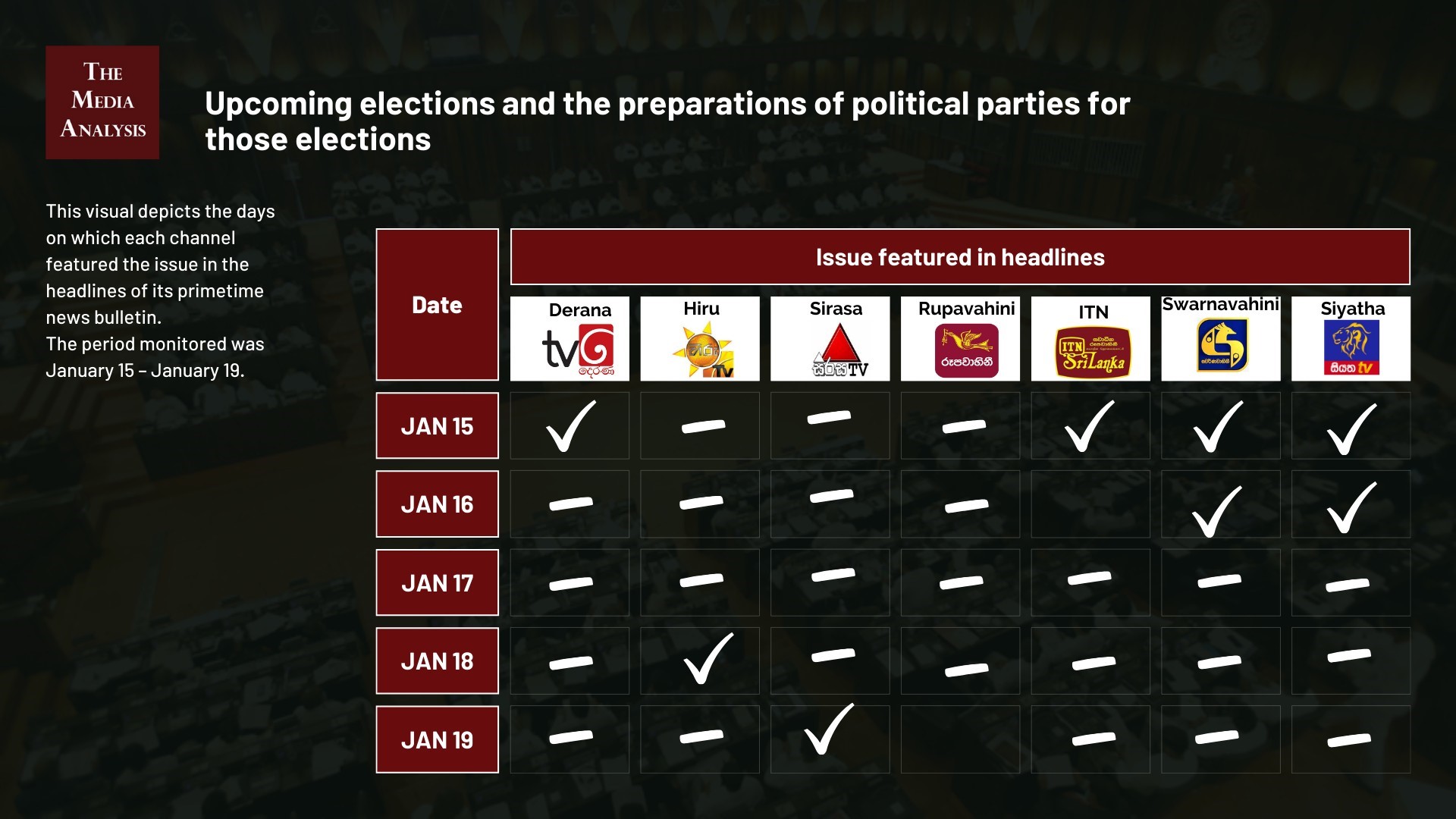
Headlines of news telecasts of ITN on January 16 and Rupavahini on January 19 weren’t included.
The data on television coverage is based on the monitoring of the primetime news telecasts of selected Sinhala language TV channels uploaded to YouTube.
04. This week’s cartoons
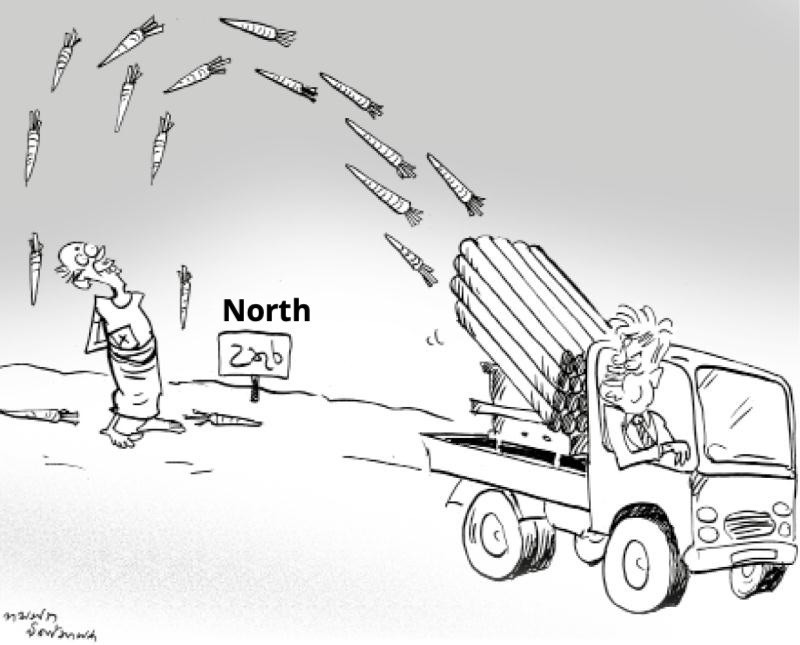
Courtesy of Aruna, Jan.8, 2024
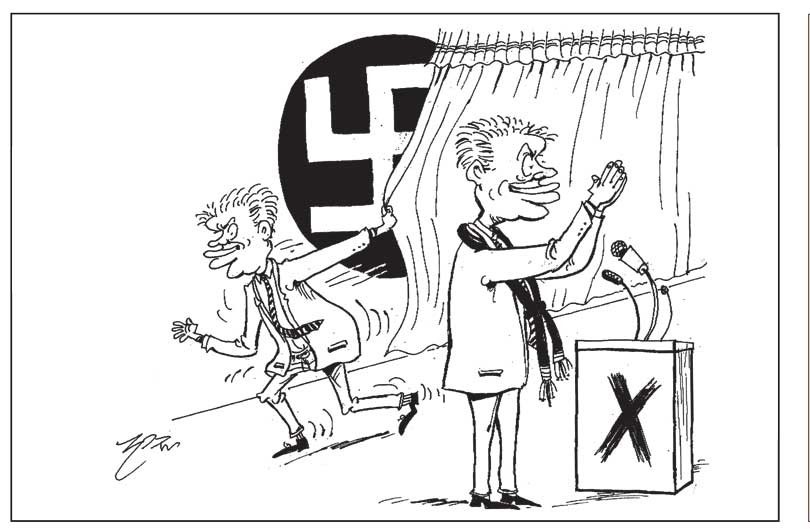
Courtesy of Lankadeepa, Jan.11, 2024

Courtesy of Tamil Mirror, Jan.10, 2024
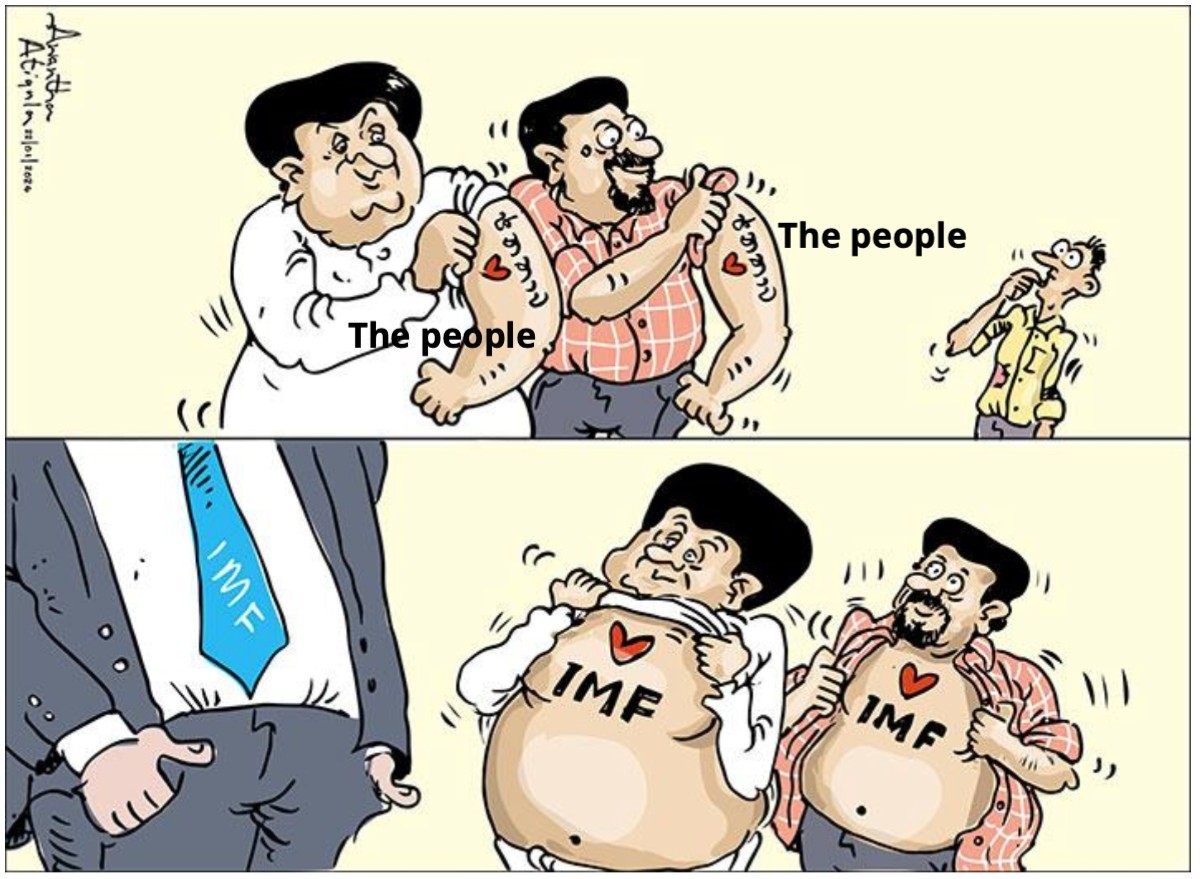
Courtesy of Ada, Jan.22, 2024
05. This week’s memes
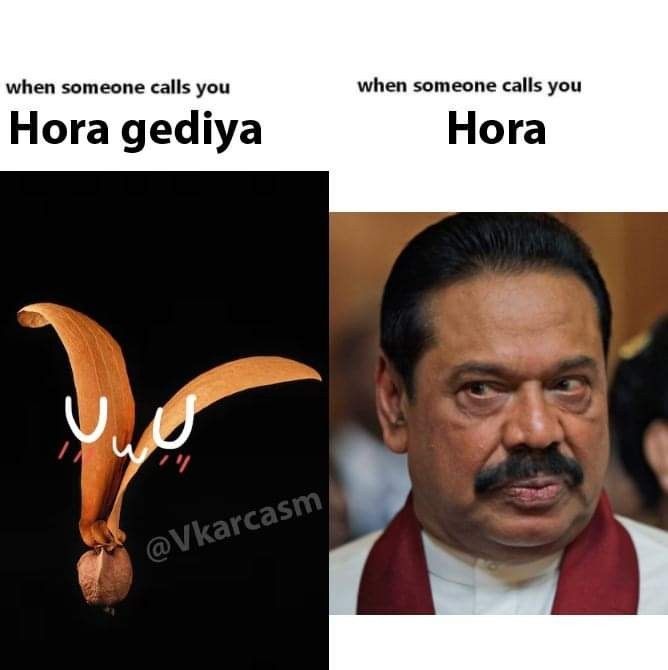
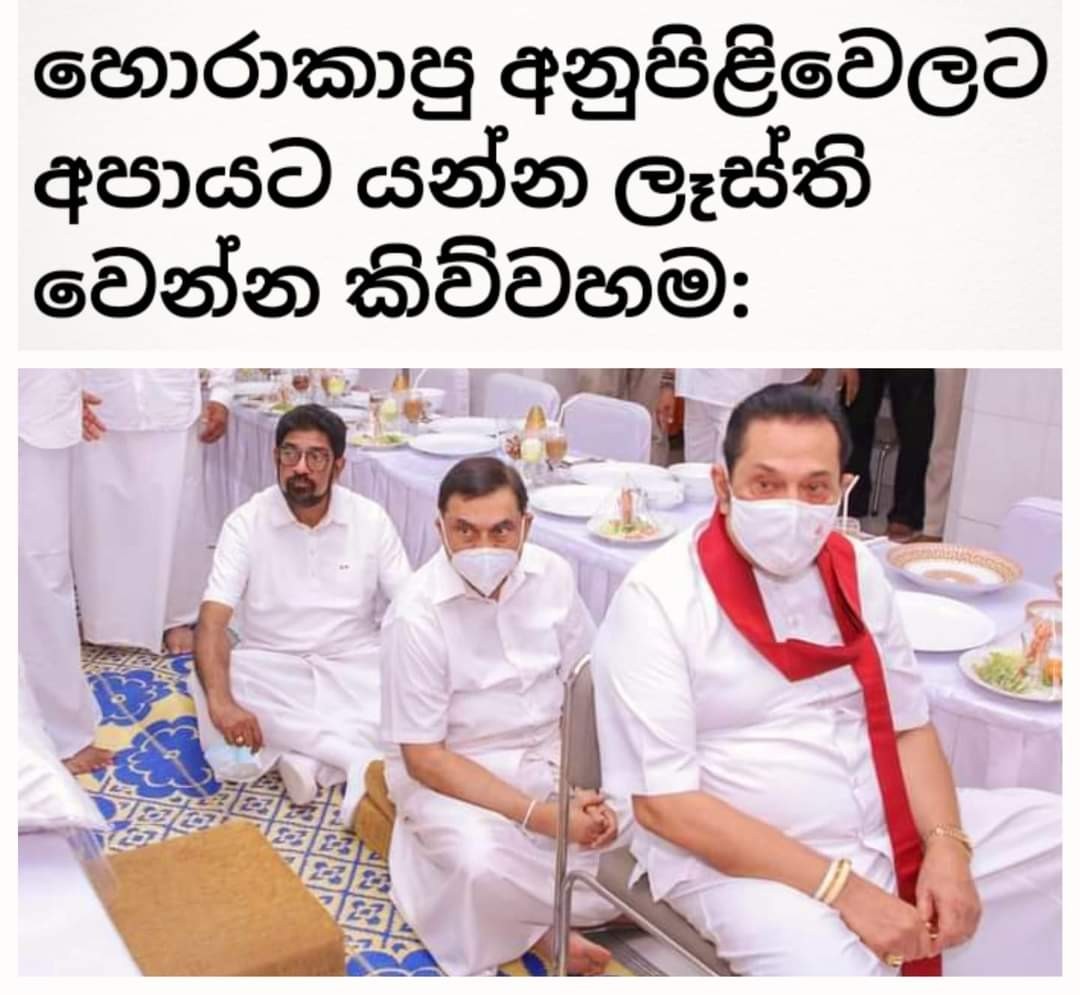
Context: The word hora gediya is used in Sinhala to playfully refer to someone who has discreetly done something. Hora gediya is also the word used to refer to the fruit of the Hora tree (Dipterocarpus zeylanicus), which is featured on the left. On the contrary, the word hora refers to a thief in Sinhala. The pictures show the disparity in the two words, showing the severity with hora.

Even though they (politicians such as Sajith Premadasa) scold the present-day “babies” now (referring to the children of Mahinda Rajapaksa), those “babies” were the same at that time.
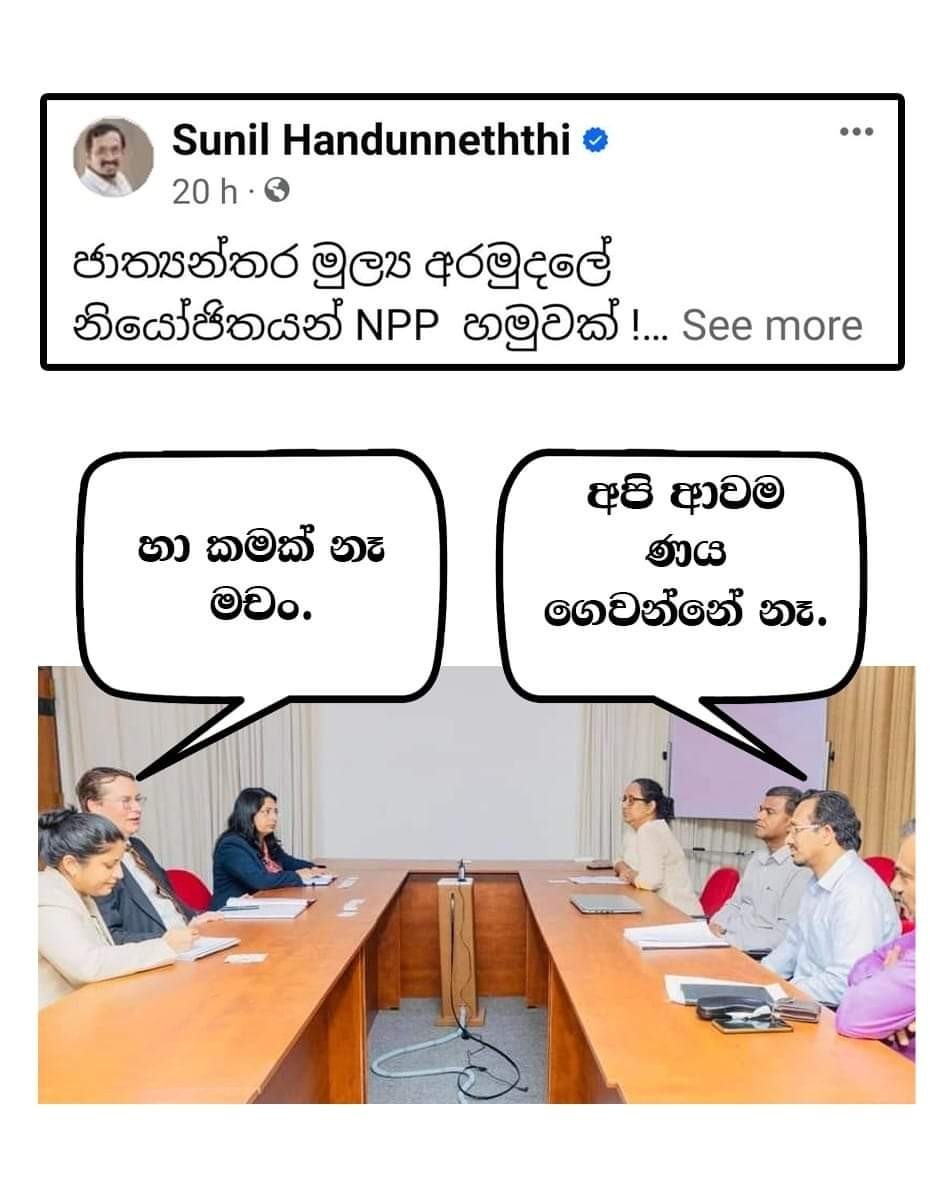
A meeting between IMF representatives and the NPP!…
We won’t repay the loans when we come (to power) No, that’s okay machang (buddy)
06. Other topics covered in reportage
- Supreme Court decision to quash the presidential pardon granted to Duminda Silva
- Ongoing Yukthiya Operation against drugs
- Debate of the Online Safety Bill
- Rapid increase in the prices of vegetables
- Interdiction of some Ceylon Electricity Board (CEB) employees who engaged in a strike
To view this week’s news summaries, please click here