
FactCheck.lk
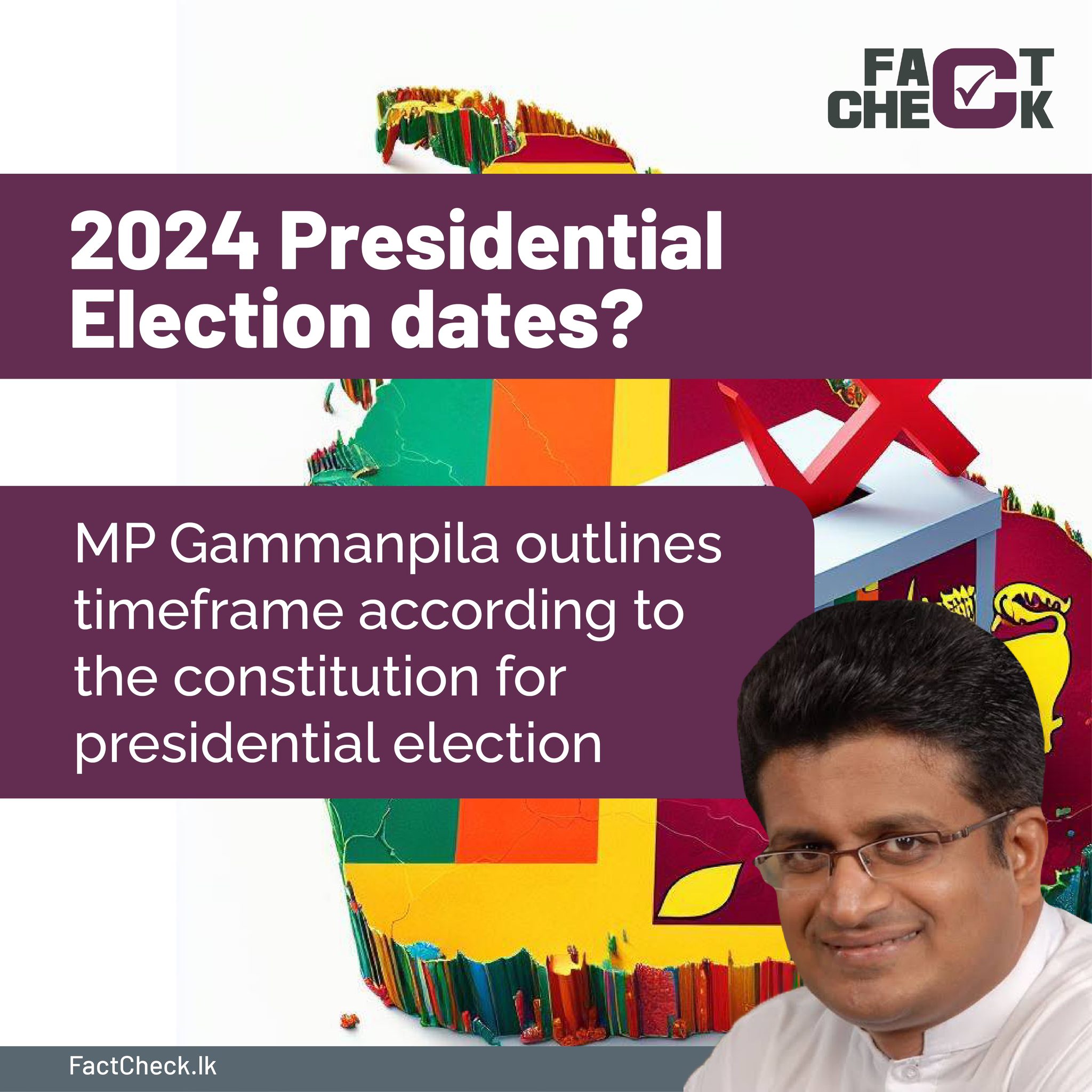
At a recent press conference, MP Udaya Prabhath Gammanpila claimed September 18 to October 18, 2024 as the constitutional timeframe for Sri Lanka’s next presidential election. This timeframe highlights the importance of being election-ready and upholding the Constitution of Sri Lanka.
To see if MP Gammanpila is correct, click here.
This week in The Media Analysis...
Disclaimer: This week’s TMA focuses on the visit of the National People’s Power to India and discussions on the abolishment of the executive presidency and elections.
01. Electoral coalitions and the executive presidency: Two peculiarities
Issue:
Electoral coalitions: On January 31, MP Field Marshal Sarath Fonseka opposed former Army Commander General Daya Ratnayake’s membership in the SJB.[1][2]
On January 31, former president and current MP Maithripala Sirisena indicated that a broader coalition comprising the SLFP may contest at an election under the banner of the United People’s Freedom Alliance (UPFA).[3][4]
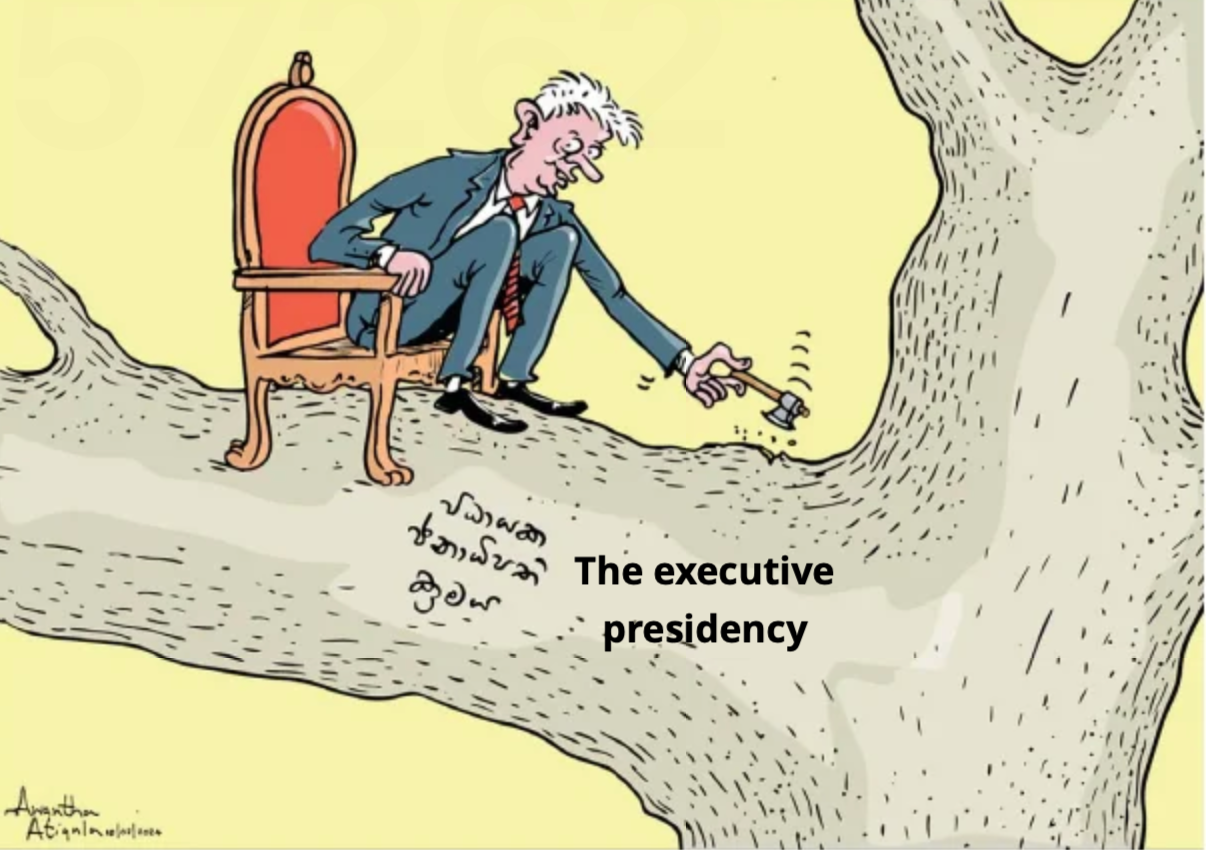
Executive presidency: On February 11, Sirisena claimed that President Ranil Wickremesinghe had instructed a group of lawyers reportedly led by former Speaker of the House Karu Jayasuriya to examine the possibility of abolishing the executive presidency.[5][6]
Analysis
Over the past few weeks, the Sinhala press reporting, TV coverage and social media posts featured two parallel discourses on abolishing the executive presidency and the formation of electoral coalitions.[1] The Sinhala media discourse signalled two peculiarities concerning the above two topics in comparison to past reportage. This week’s TMA unpacks these two peculiarities.
Peculiarity-I: Low support for abolishing the executive presidency
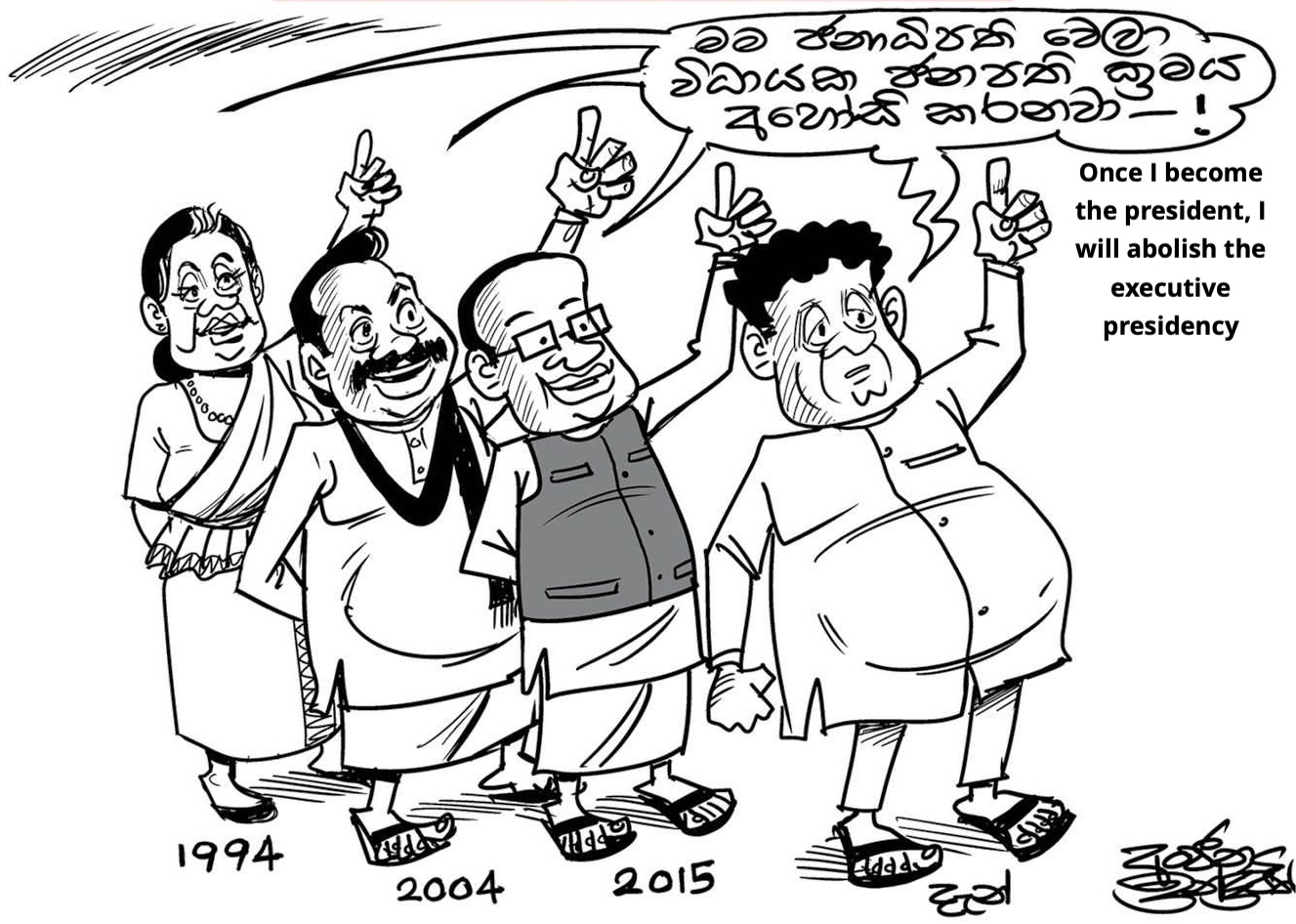
Over the past three decades, the abolition of the executive presidency has been a highly supported issue in the run-up to presidential elections. Historically, all the presidents who were elected in the last six presidential elections, except Gotabaya Rajapaksa in 2019, campaigned on a pledge to either abolish the executive presidency or significantly reduce the powers of the presidency.[2] However, each elected president breached their campaign promise in this regard, though some past presidents did take meaningful steps to reduce the powers of the office instead of abolishing it as promised. Table 1 maps out the pre-election pledges and post-election actions of the past four presidents. A Syndicated Survey conducted by Verité Research in June 2022 found that 70 percent of the respondents wanted the executive presidency abolished.
Given this longstanding political promise and social support for abolishing the executive presidency, it is peculiar that the current revival of that same promise did not get positive traction in the media. In comparison to the past, there is a clear lack of support and lack of political momentum for reviving this much breached promise.
Table 1: Pre-election pledges and post-election actions of the past presidents

In the run-up to the 2019 Presidential Election, President Sirisena called for the abolition of the executive presidency. This was perceived as a last-minute strategy on realising his lack of popularity to contest the election.
On the surface, President Ranil Wickremesinghe’s current interest in abolishing the executive presidency appears to echo Sirisena’s move in 2019. Reflecting this sensibility and disregarding the longstanding public sentiment to abolish the executive presidency, opposition political parties including the SJB and the NPP/JVP that once championed the abolition of the executive presidency have objected to and/or not supported Wickremesinghe’s move at present. Table 2 maps out the past and present positionings of political parties/persons concerning the abolition of the executive presidency as distilled from last week’s Sinhala media coverage.
Table 2: Past and present positionings on the abolishment of the executive presidency
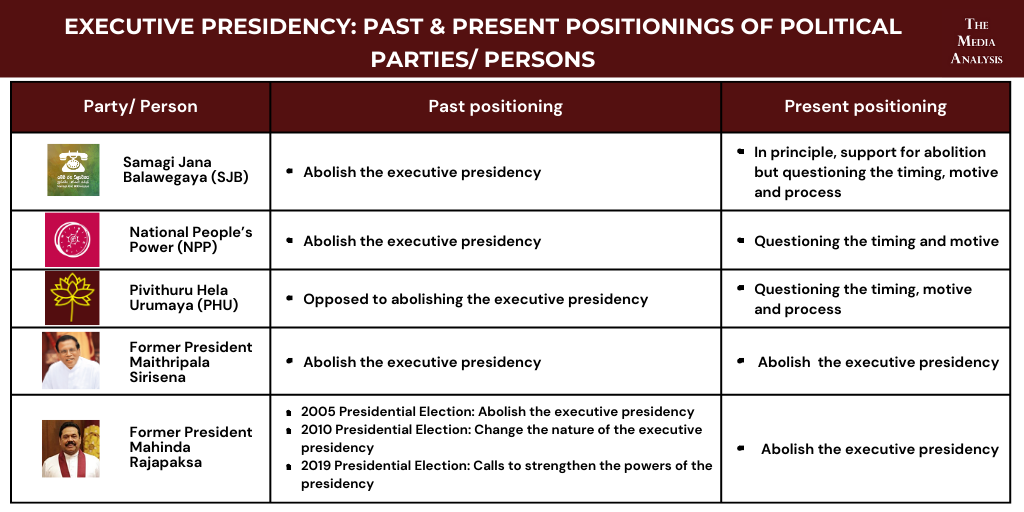
Digging deeper, unlike in the past, the media discourse on abolishing the executive presidency signals a deeper sense of suspicion regarding Wickremesinghe’s motive and timing in renewing the call to abolish the executive presidency. Opposition voices including the SJB, the NPP and the PHU cast Wickremesinghe as executing a ploy to prolong his political life by moving to abolish the executive presidency (and transition to the position of a powerful executive prime minister), and once again avoid an election.
Peculiarity-II: Lack of excitement around political coalitions
In the run-up to past elections, the formation of electoral coalitions appeared to widely signify the power of the recipient party/coalition. For instance, Sirisena’s defection from the UPFA in 2014 to contest the 2015 Presidential Election as the common candidate of the New Democratic Front (NDF) garnered a high degree of traction in the Sinhala media.[1]
However, at present, the formation of electoral coalitions and the crossover of politicians appear to be interpreted as a sign of compromise or misdirection. First, political parties that accept politicians who are perceived as rejected by the public are criticised as compromising on their party principles. For instance, the defection of former SLPP MPs G. L. Pieris and Nalaka Godahewa to the SJB was subjected to criticism. Second, the formation of new electoral coalitions is perceived as a form of misdirection. For example, despite forming a new political coalition, MPs Nimal Lanza and Susil Premajayantha are widely perceived as continuing to support Wickremesinghe while misdirecting the public on their true political affiliations.
Overall, last week’s Sinhala media coverage featured two peculiarities concerning the abolition of the executive presidency and the formation of electoral coalitions. On the one hand, despite widespread public calls to abolish the executive presidency, the Sinhala media and opposition political voices appear to be opposed to Wickremesinghe’s move. On the other hand, unlike past media coverage on the formation of electoral coalitions, last week’s media coverage was marked by lukewarm reception to the crossover of politicians and the formation of electoral coalitions.
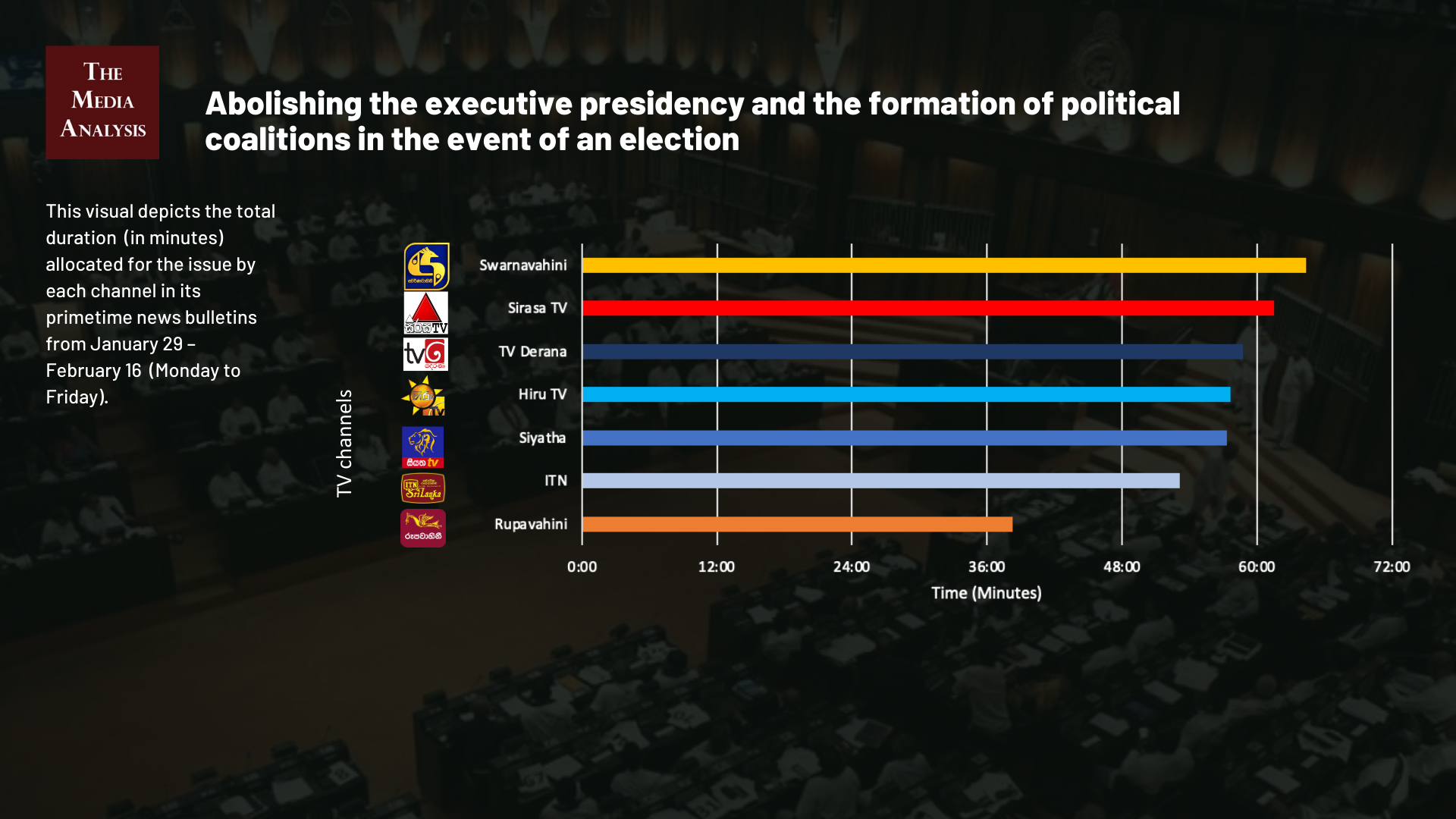
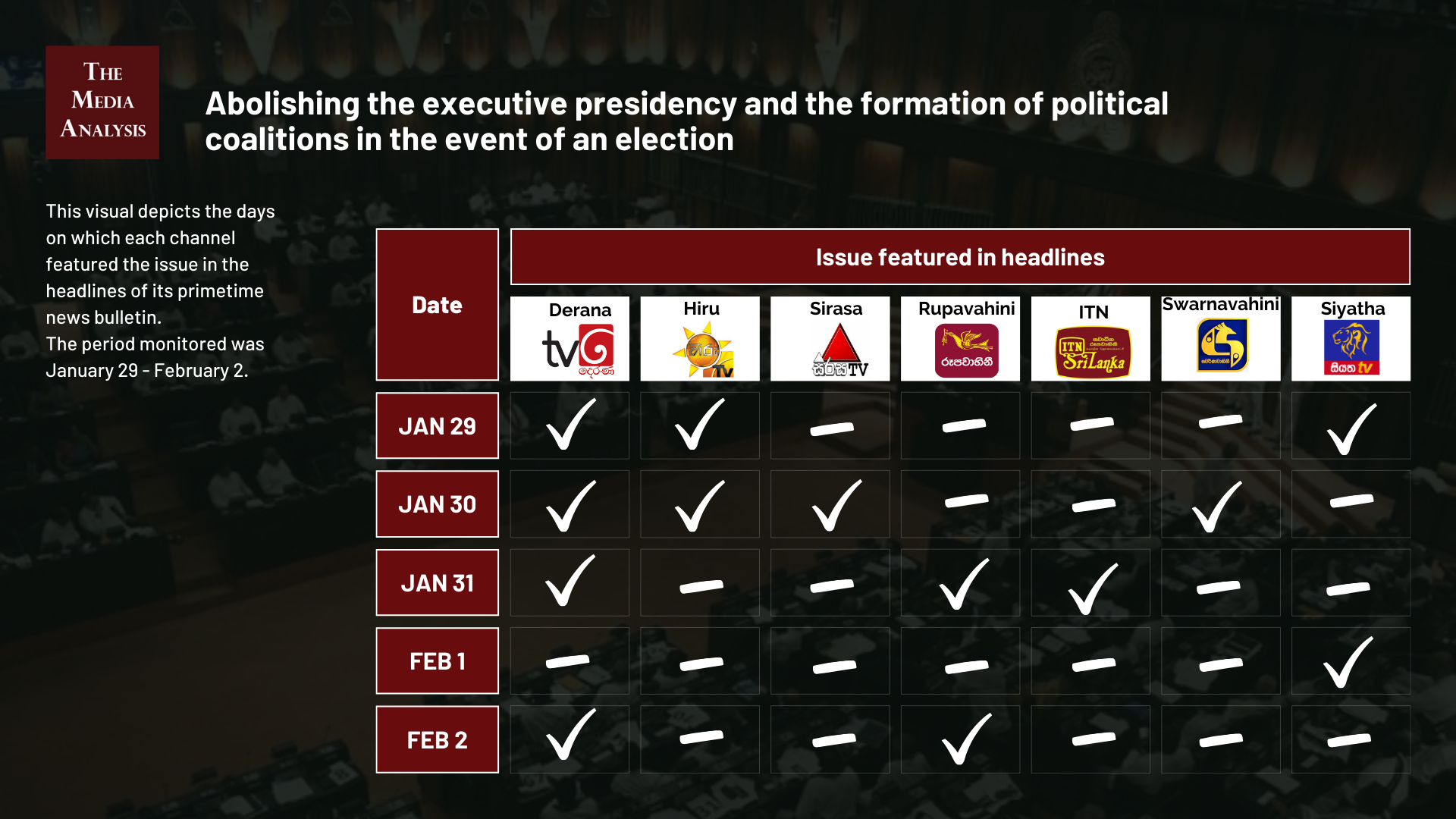
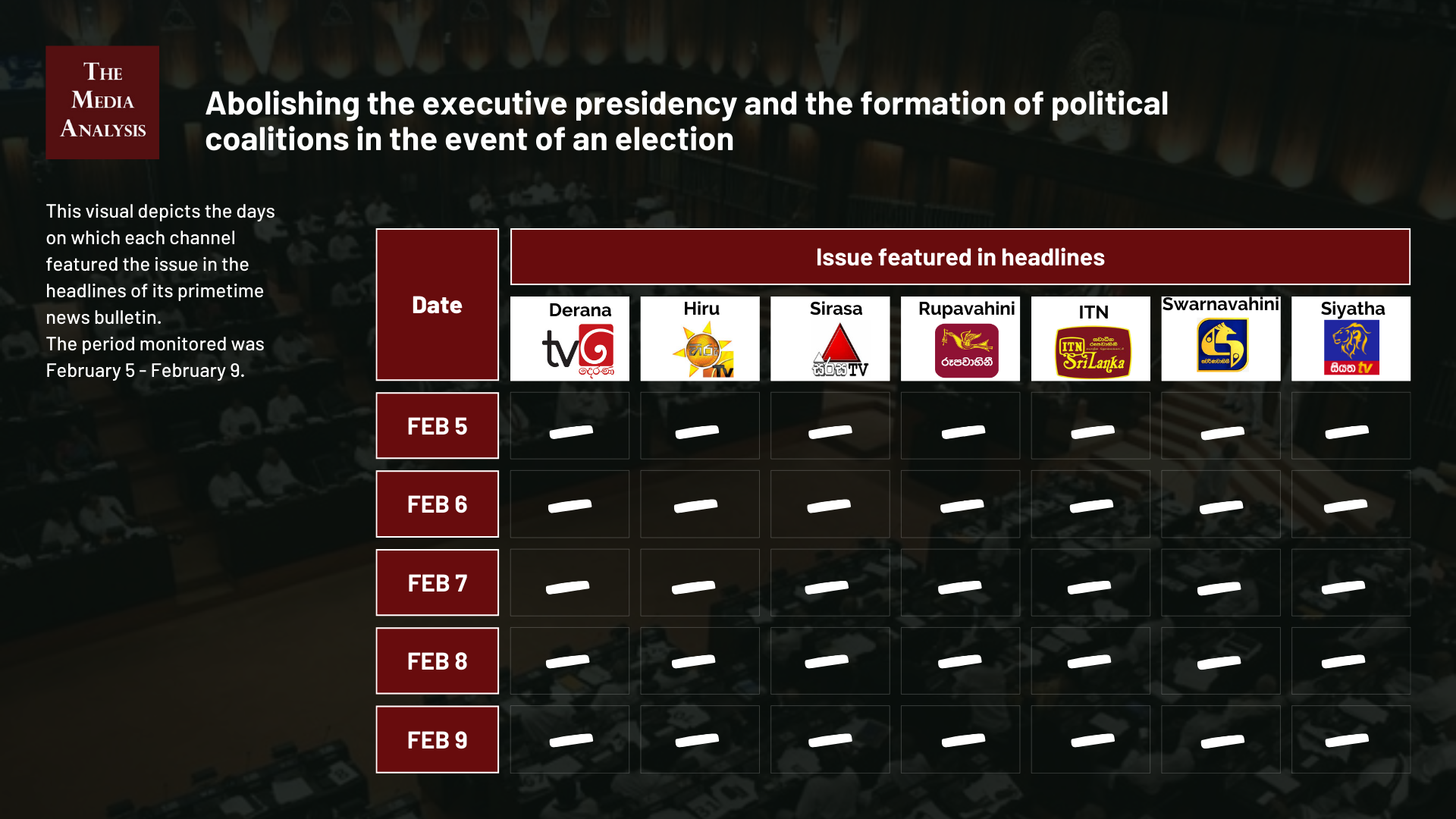
[1] In accordance with TMA’s methodology to monitor social media, the TMA team filtered the five posts with the highest interactions on Facebook in Sinhala for the names Sajith and SJB and the terms compass (referring to the party logo of the NPP) and elections using CrowdTangle, from February 7 to February 18. The Sinhala print media and TV news bulletins were monitored from February 1 on the topic of coalition formations.
[2] For more information, see: https://www.sundaytimes.lk/971130/news3.html, https://www.preventionweb.net/files/mahinda_chintana_vision_for_the_future_eng%5B1%5D.pdf, https://www.mfa.gov.lk/images/stories/pdf/mahinda_chintana_eng.pdf, https://www.presidentsoffice.gov.lk/wp-content/uploads/2019/16/Gotabaya_Manifesto_English.pdf and https://www.president.gov.lk/wp-content/uploads/2015/01/Manifesto-EN.pdf.
[3] See TMA Vol.04, #44.
02. NPP’s visit to India cancels out negative remarks
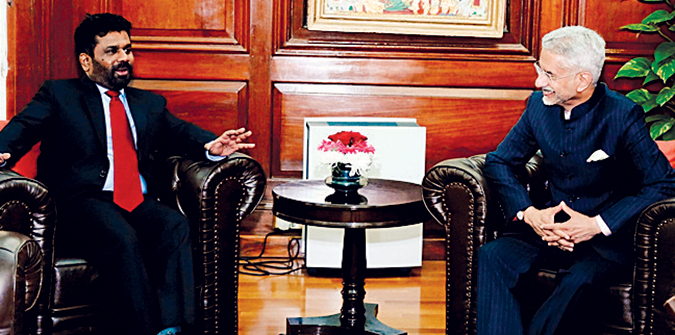
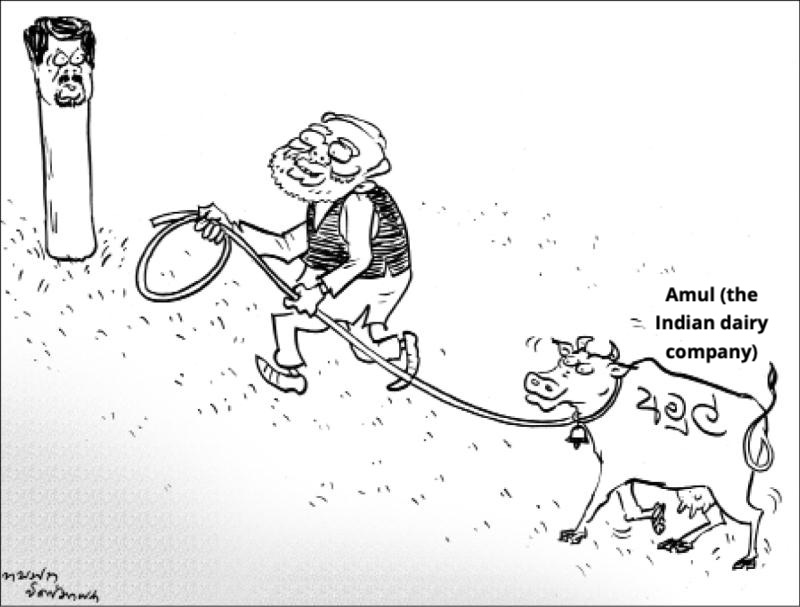
Event: On February 5, 2024, a delegation led by the Leader of the NPP/JVP Anura Kumara Dissanayaka embarked on a five-day official visit to India at the invitation of the Indian Council of Cultural Relations (ICCR) functioning under the auspices of the Indian government.[1][2]
Analysis
Last week’s Sinhala press reporting, TV coverage and social media posts featured two camps on the NPP’s visit to India.[1] The first camp–including politicians from the SJB, the UNP and the NFF and some press editorials and columns appearing in the privately-owned newspaper Aruna and state-owned newspaper Dinamina–cast aspersions on the JVP. The second camp–including JVP voices, the privately-owned newspaper Mawbima and social media commentary–affirmed the visit of the JVP.
The overall view of the JVP did not seem to suffer, despite the overwhelming negative remarks by the first camp. If anything, the focused attention might have even bolstered the public image of the NPP. This week’s TMA will briefly unpack the negative and positive remarks about the JVP and the dynamics of the commentary.
I. Negative remarks about the JVP
Negative remarks about the JVP drew exclusively on the past policy positions of the JVP and its past engagement with India. In particular, the JVP was criticised for adopting a ‘double standard’ of showing a friendly face while still carrying an anti-Indian stance from its past. In the past, the JVP led an insurrection between 1987 and 1989 challenging Indian expansionism in Sri Lanka, especially in the context of the signing of the Indo-Sri Lanka Accords in 1987, the enactment of the 13th Amendment that devolved powers to the provincial councils and the deployment of the Indian Peace Keeping Force (IPKF) in Sri Lanka.[2] Opponents of the NPP asserted that the party had deviated from its past policies. However, the negative remarks appear not to have gained currency in the Sinhala media.
II. Positive remarks about the JVP
The second camp appeared to make positive remarks about the JVP by positioning the visit to India as enhancing the party’s competence and credibility to engage within the mainstream establishment and be recognised by the international community. They positioned the JVP as having adapted itself to the evolving changes and interpreted the visit as signifying its ability to engage with the international actors.
In the past, the JVP has been widely perceived as a non-mainstream party that lacked experience and acceptance in dealing with the international community. In this context the visit to India by the NPP signalled implicitly a coming of age of the NPP/JVP. In particular, political and press voices in support of the NPP/JVP positioned the invitation by the Indian government as a significant advancement in the international recognition of the party.
Overall, the negative remarks about the recent Indian visit–which were based solely on the past actions of the JVP–seemed to have been crowded out by the positive remarks about the JVP. Once considered a revolutionary anti-establishment party, the NPP/JVP now appears to have evolved and matured into a party capable of navigating the establishment similar to other established mainstream political parties.
[1] In accordance with TMA’s methodology to monitor social media, the TMA team filtered the five posts with the highest interactions on Facebook in Sinhala for the names Anura, India and JVP using CrowdTangle, from February 7 to February 18.
[2] For more information, see: https://www.jvpsrilanka.com/english/about-us/brief-history/ and https://www.scmp.com/week-asia/politics/article/3251749/sri-lanka-india-embraces-resurgent-old-foe-keep-china-bay.
03. The Language Divide
Signposts the differences and nuances in reporting between Sinhala and Tamil language newspapers.
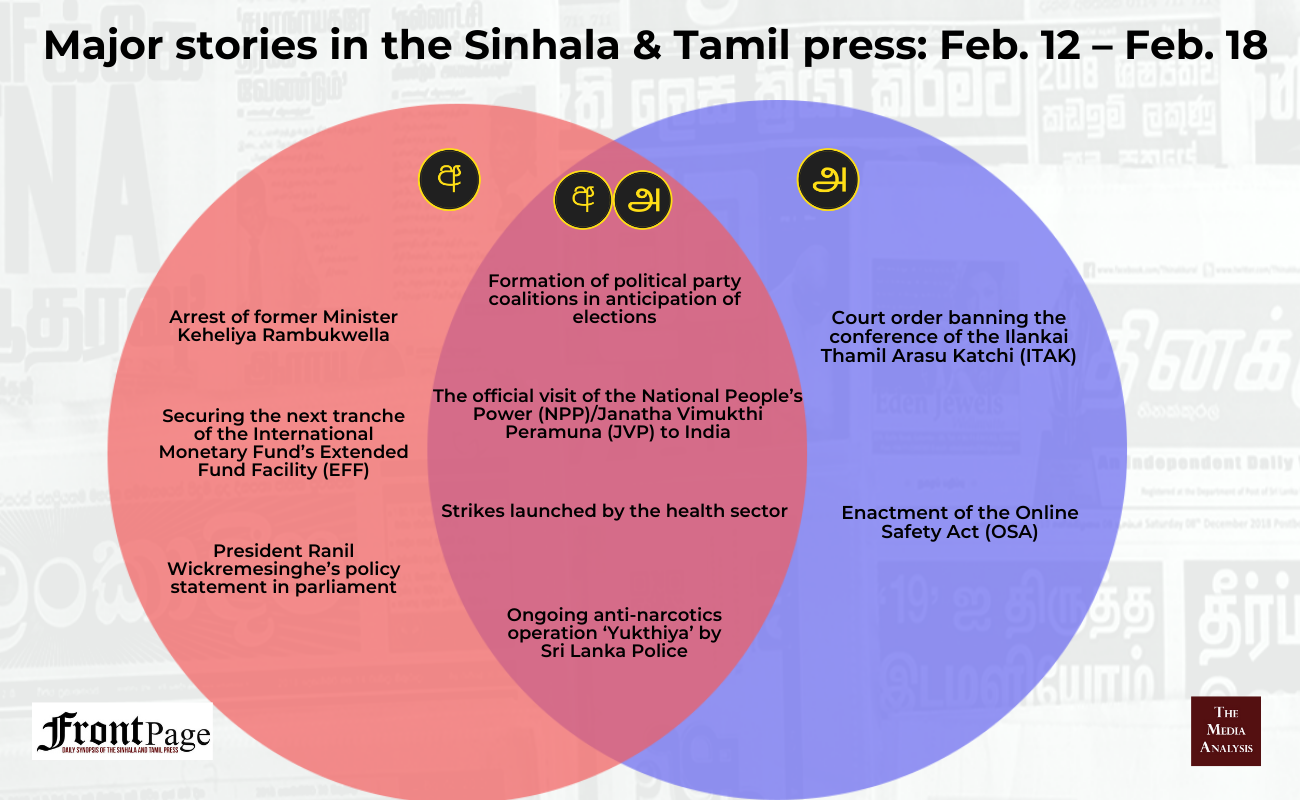
Last week’s Sinhala and Tamil press converged in relation to four main stories. The four stories were on the: (i) formation of political party coalitions in anticipation of elections; (ii) official visit of the National People’s Power (NPP)/Janatha Vimukthi Peramuna (JVP) to India; (iii) strikes launched by the health sector; (iv) ongoing anti-narcotics operation ‘Yukthiya’ by Sri Lanka Police. The Sinhala press exclusively featured three main stories. The three main stories were on: (i) the arrest of former Minister Keheliya Rambukwella, (ii) securing the second tranche of the International Monetary Fund’s Extended Fund Facility (EFF) and (iii) President Ranil Wickremesinghe’s policy statement in parliament. The Tamil press exclusively featured two stories, which were on the (i) court order banning the conference of the Ilankai Thamil Arasu Katchi (ITAK) and (ii) enactment of the Online Safety Act (OSA).
Do you want to see the divided priorities on a daily basis? Check out FrontPage. It captures the day’s headlines and features succinct summaries of the political news reported in the most widely read Sinhala and Tamil newspapers.
Injunction orders preventing the ITAK from holding its general convention: How did TV channels cover it?

On February 15, the District Courts of Jaffna and Trincomalee issued injunction orders preventing the Ilankai Thamil Arasu Katchi (ITAK) from holding its general convention on February 19. Privately-owned Tamil channels IBC Tamil, Dan News and Shakthi TV allotted coverage to the incident. None of the Sinhala TV channels nor state-owned Tamil channels Nethra TV and Vasantham TV allotted any coverage to the incident.
05. This week’s memes
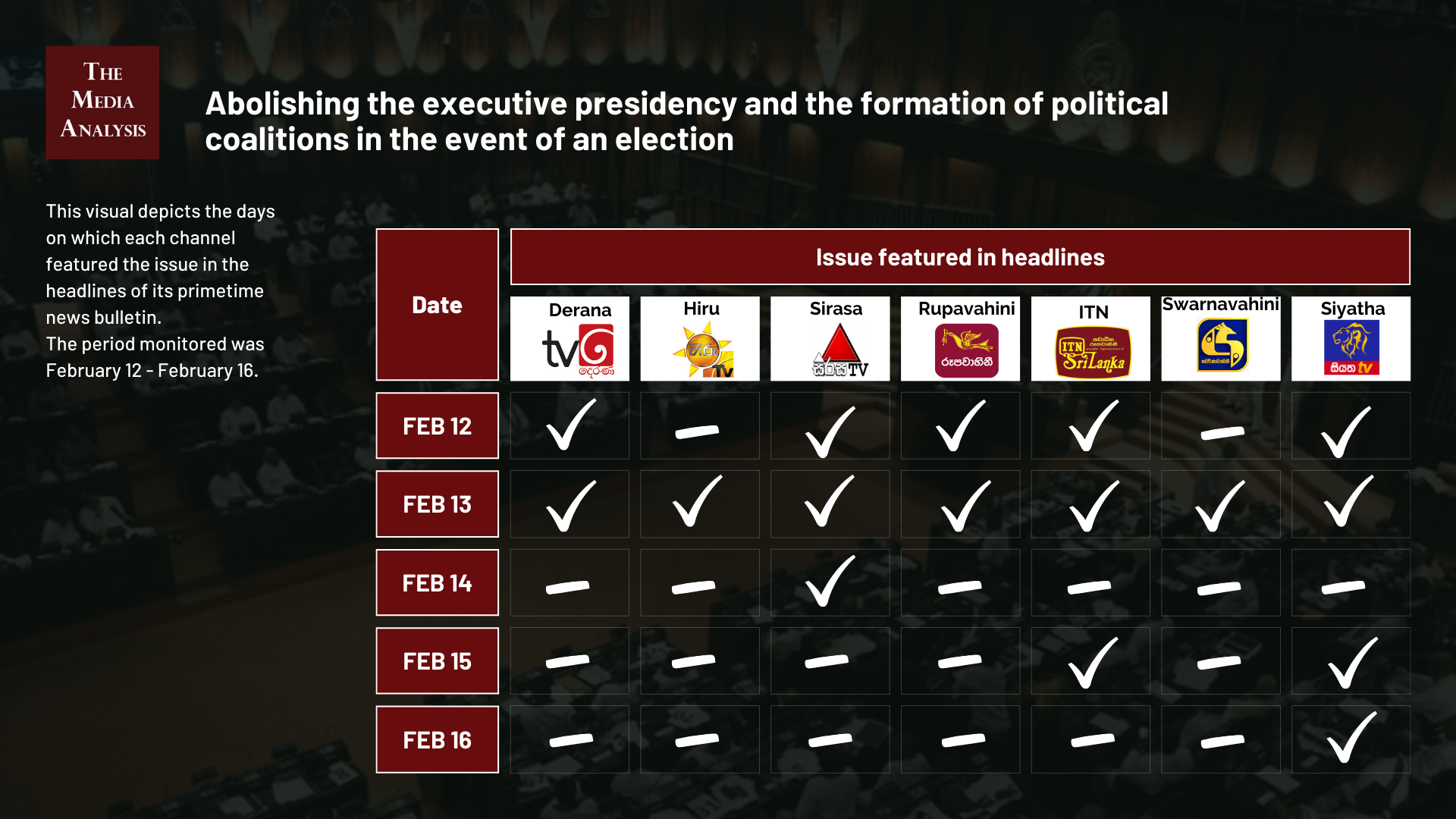
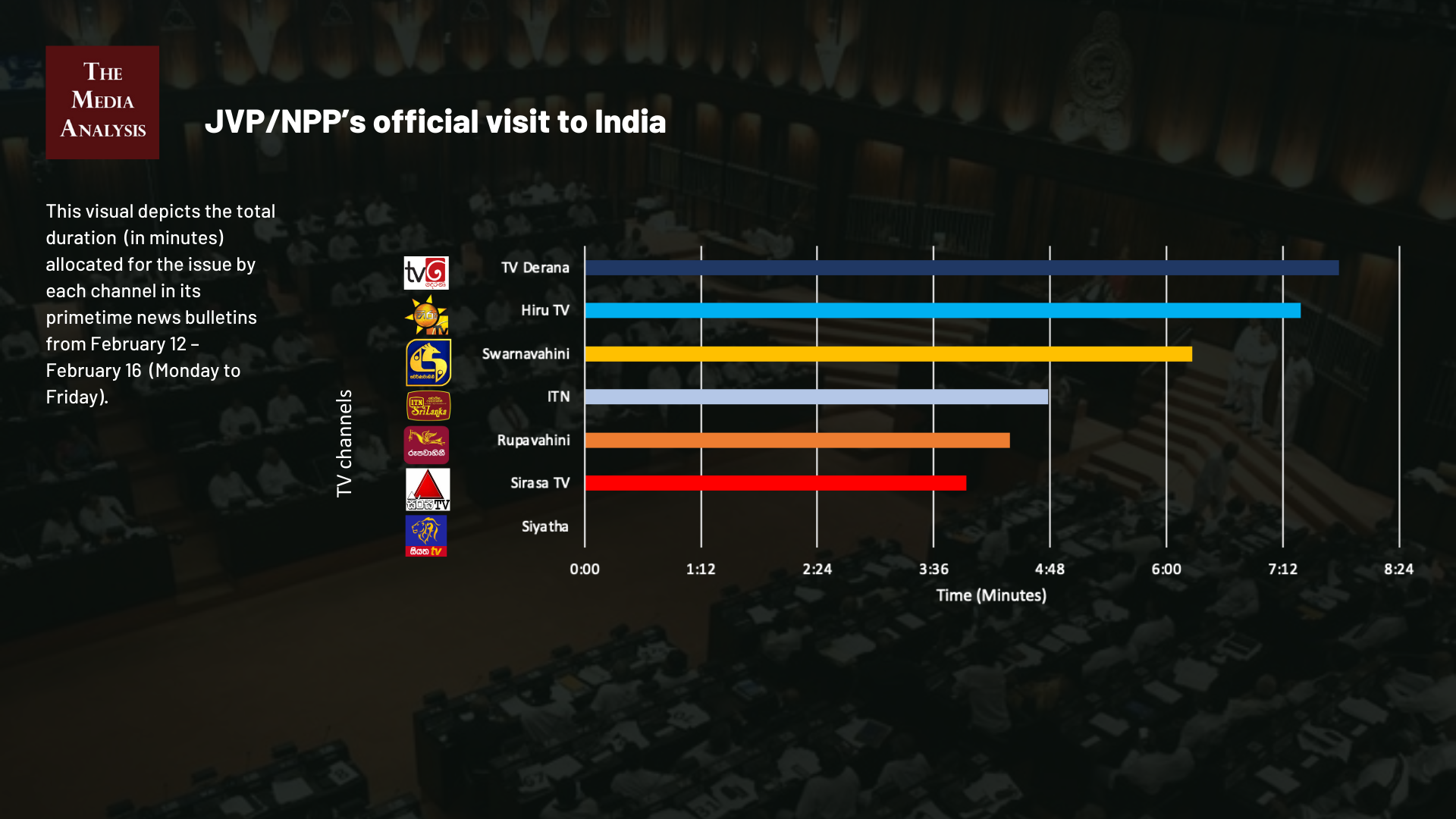
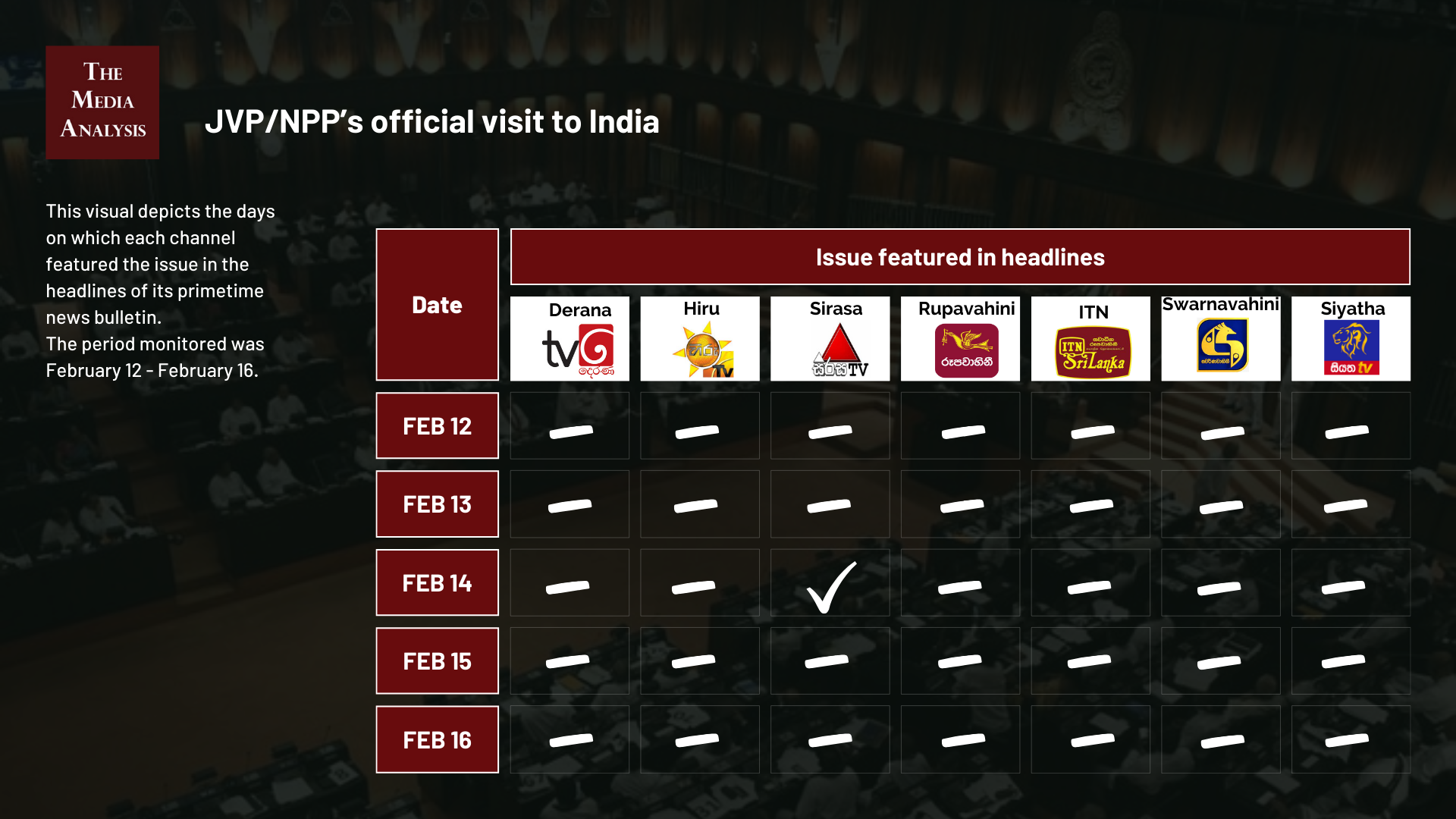
The data on television coverage is based on the monitoring of the primetime news telecasts of selected Sinhala language TV channels uploaded to YouTube.
05. This week’s cartoons
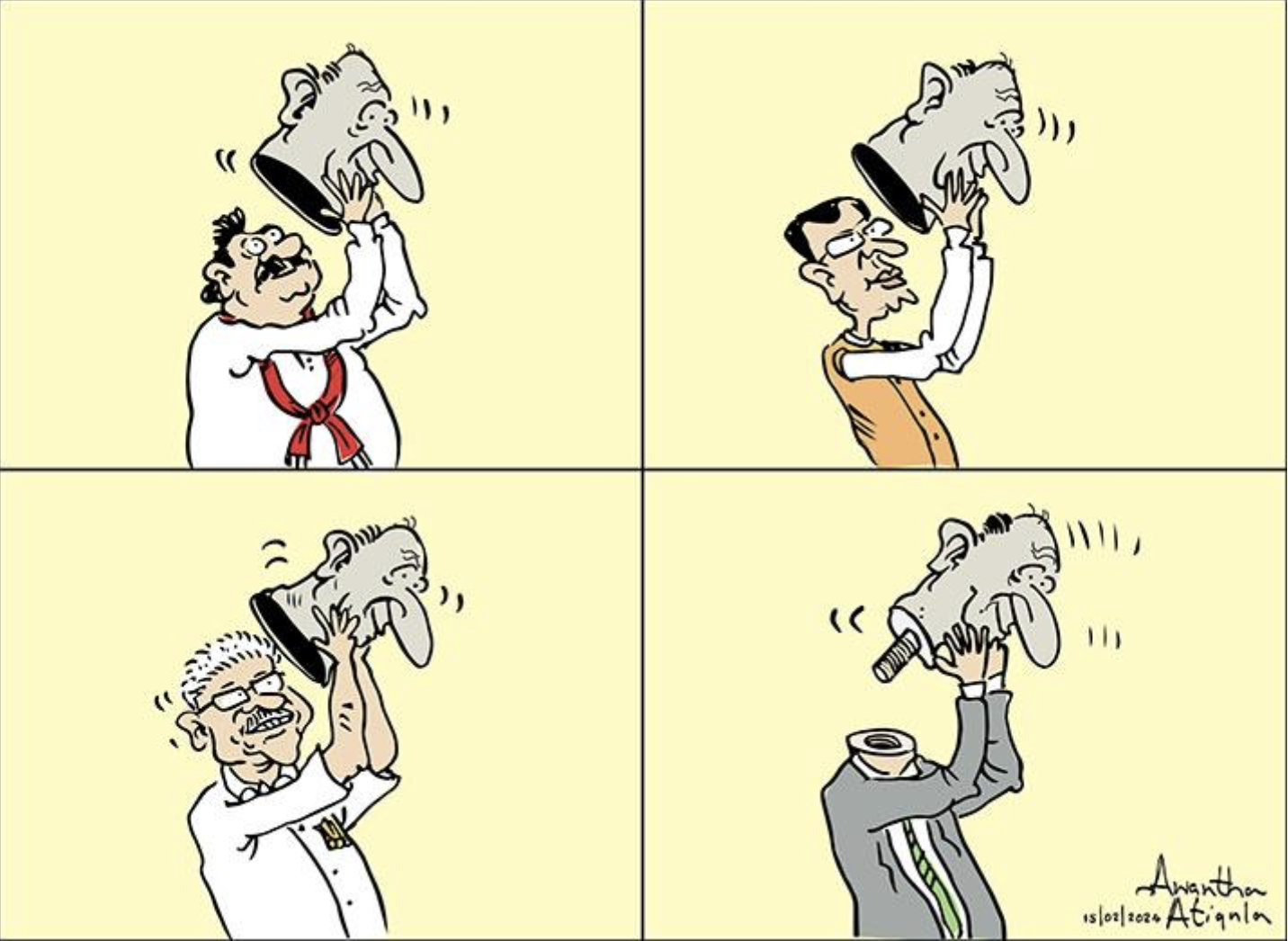
Courtesy of Ada, Feb.15, 2024
Courtesy of Dinamina, Feb.16, 2024
Courtesy of Lankadeepa, Feb.18, 2024
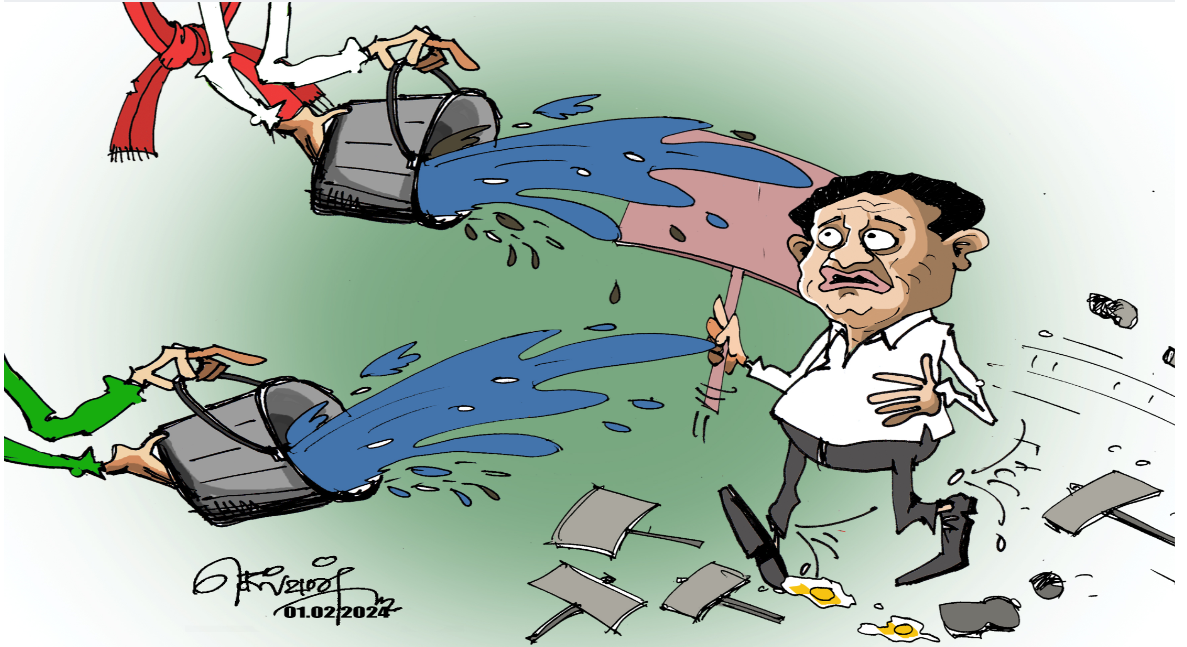
Courtesy of Virakesari, Feb.1, 2024
Courtesy of Aruna, Feb.18, 2024
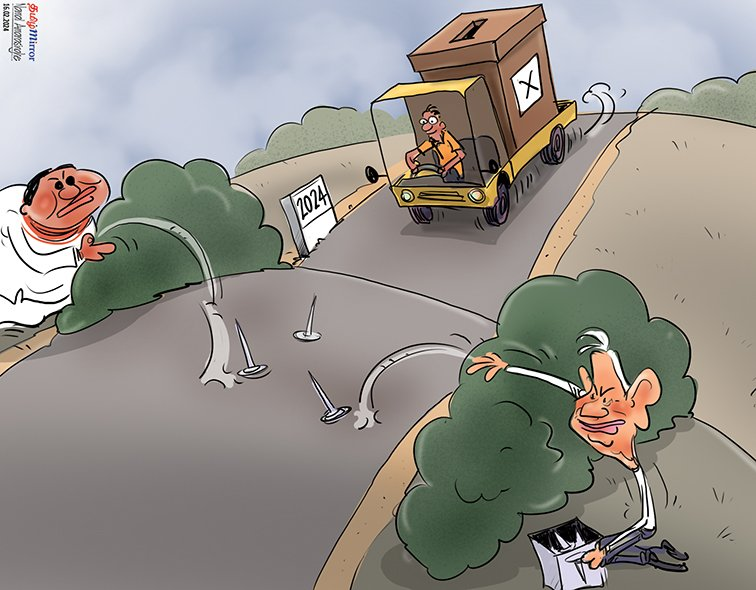
Courtesy of Tamil Mirror, Feb.16, 2024
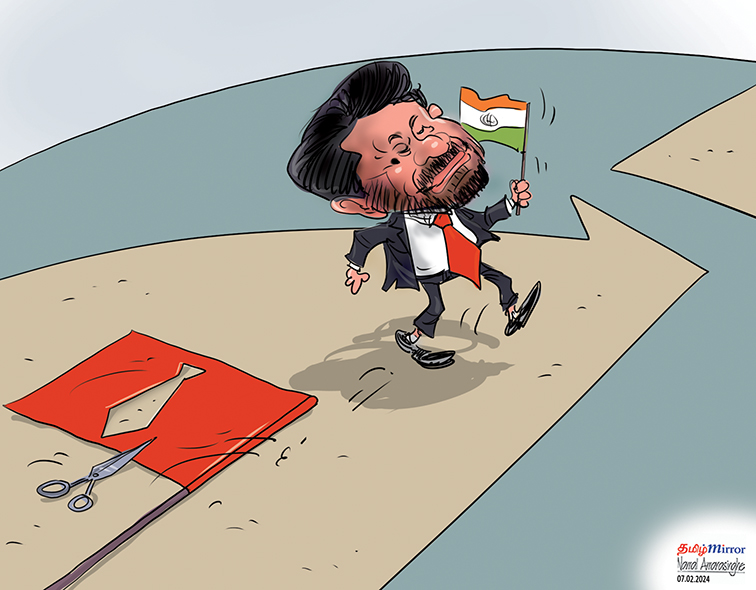
Courtesy of Tamil Mirror, Feb.7, 2024
Sri Lankans: Why did you reduce the price of kerosene? Is it to set ablaze and die?
06. This week’s memes
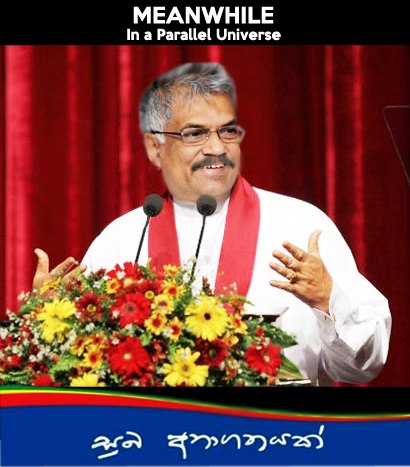
Wish you a prosperous future
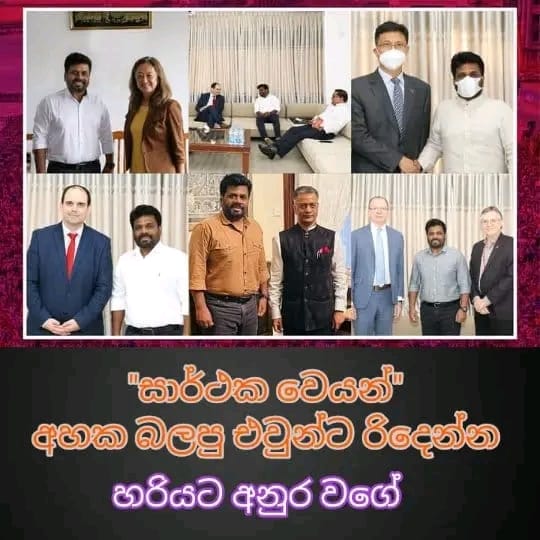
“Be successful” so that it causes pain to those who ignored you
Just like Anura
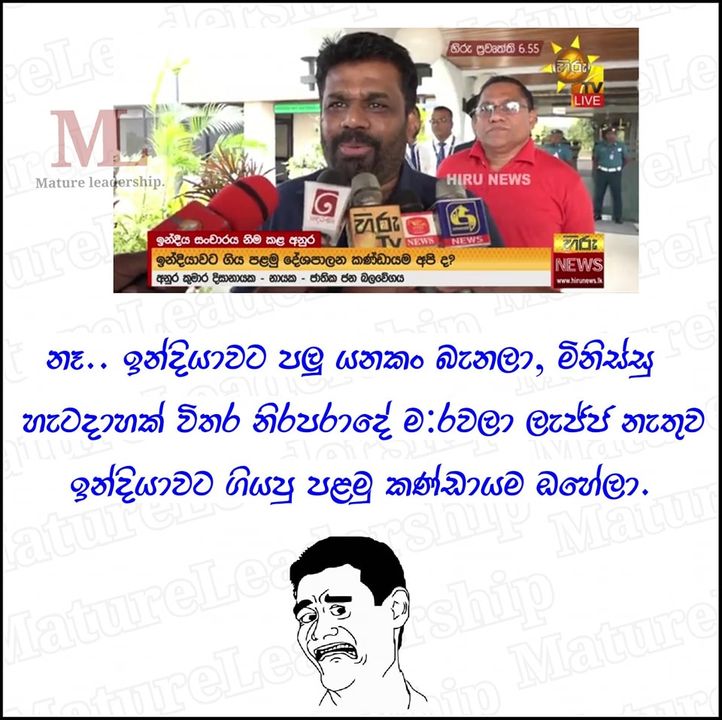
Newsclip: Anura who completed the tour of India
Were we the first political party to visit India?
Anura Kumara Dissanayaka – Leader – National People’s Power
Caption: No.. You were the first group to have shamelessly visited India after lambasting them and getting around 60,000 people needlessly killed.
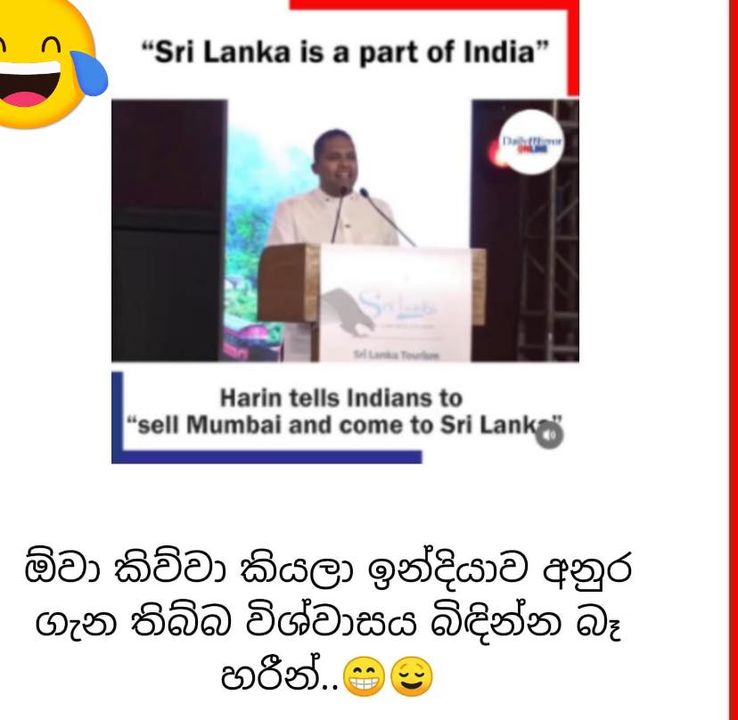
The trust that India has placed in Anura can’t be broken just because you say these things Harin..
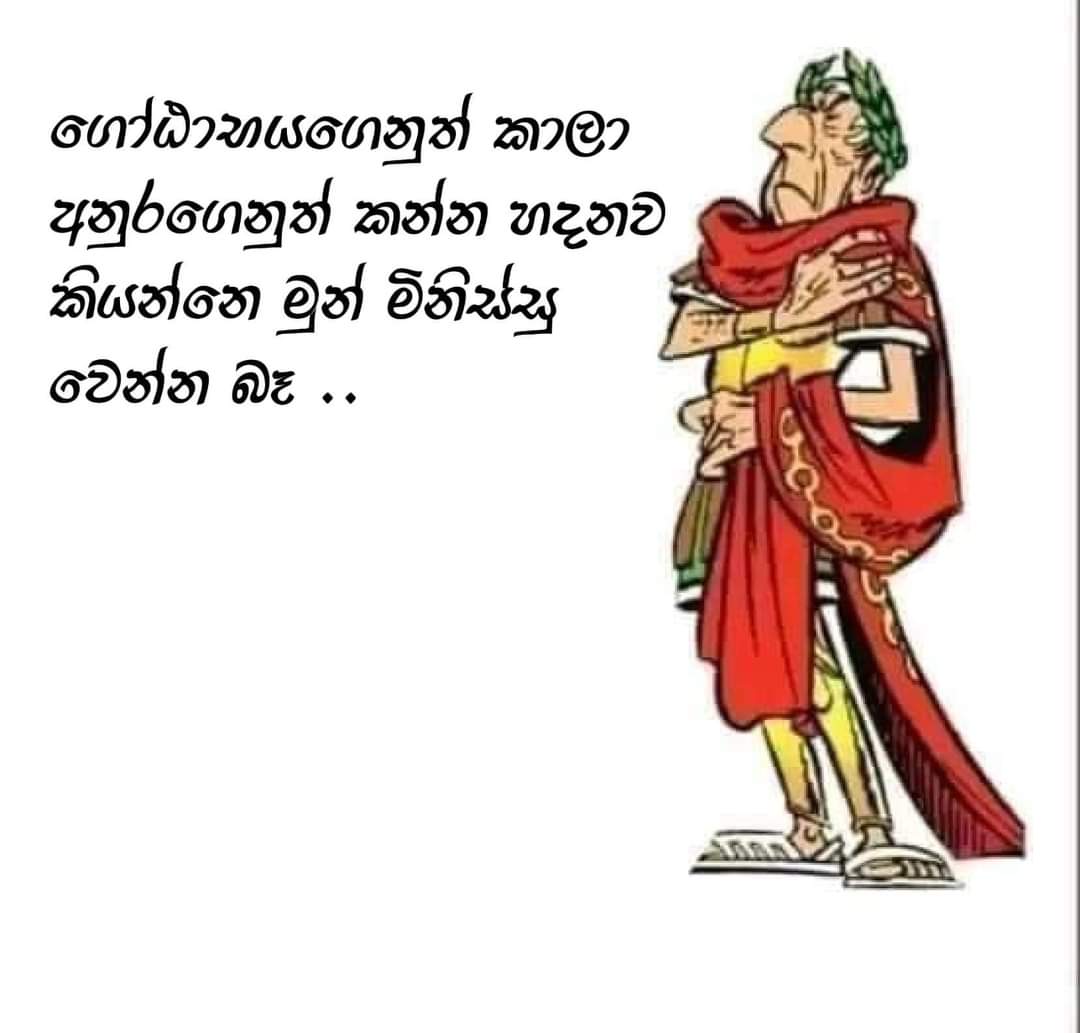
The fact that they took advantage of Gotabaya Rajapaksa and are now trying to take advantage of Anura Kumara Dissanayaka means that these people can’t be ordinary human beings..
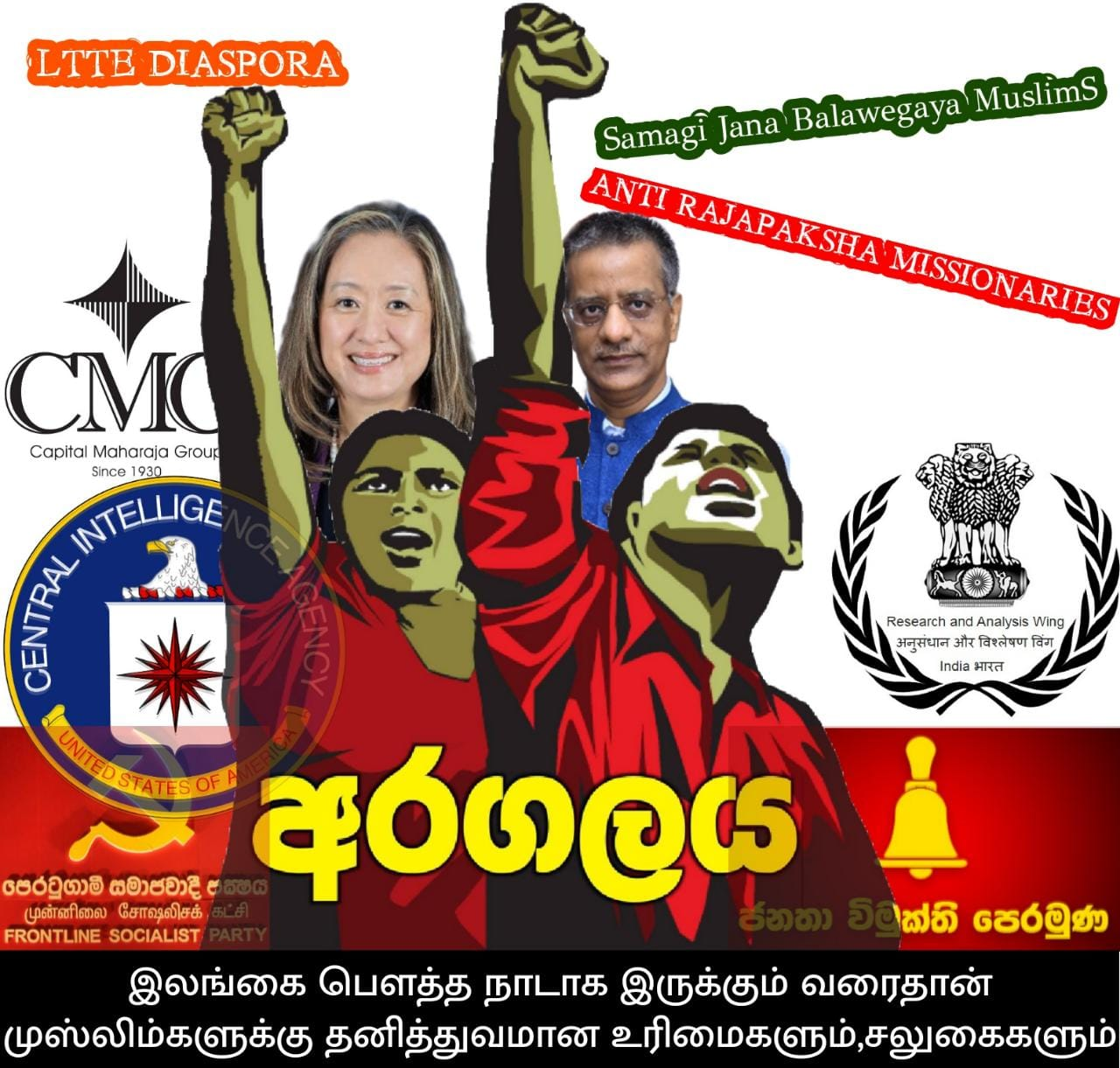
(In Sinhala) Aragalaya
(In Tamil) As long as Sri Lanka remains a Buddhist country, Muslims have unique rights and privileges
07. Other topics covered in reportage
- The burden on the public caused by the increase in electricity tariffs
- Enactment of the Online Safety Act (OSA)
- Shortage of personnel at the 1990 Suwa Seriya Foundation (ambulance service)
- Celebration of Valentine’s Day
- Forensic audit conducted by KPMG on the irregularities at the Ceylon Petroleum Corporation (CPC) and the Ceylon Petroleum Storage Terminals Ltd. (CPSTL)
To view this week’s news summaries, please click here