
In the media space, the state’s dual role as both an owner and a regulator means it is a player in the game as well as a referee and a rule-maker.
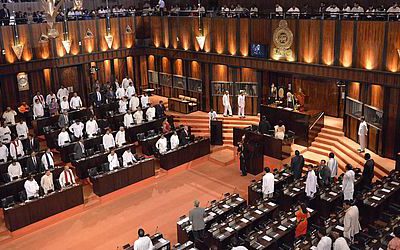
Who watches the watcher?
read more
In the media space, the state’s dual role as both an owner and a regulator means it is a player in the game as well as a referee and a rule-maker.
The transparency of media ownership becomes a conversation of public interest against the backdrop of the Sri Lankan government’s expressed recognition regarding the importance of improved media freedom and access to information.
Sri Lanka is currently ranked 127 of 180 countries in Reporters without Border’s World Press Freedom Index. Political control over media ownership remains a major concern, and contributes towards this relatively low ranking. Our findings discuss the issue of political affiliations of the media, and ask how such affiliations might undermine impartiality and pluralism.