
The use of the term kudda (druggie) in Sinhala newspapers
The use of the term kudda (druggie) in Sinhala newspapers increased in 2023 when compared with 2022. To find out how often the derogatory term was used, and which newspapers used it most frequently, click here
This week in The Media Analysis...
Double issue
01. Salary hike in Central Bank hikes criticism
02. IGP appointment: Legitimacy questioned of person and process
03. The Language Divide
04. The TV coverage of the issues
05. This week’s cartoons
06. This week’s memes
07. Other topics covered in reportage
Past issues can be viewed here
Disclaimer: This week’s TMA is focusing on the increase in the wages of Central Bank of Sri Lanka (CBSL) officials and the appointment of Deshabandu Tennakoon as the Inspector General of Police (IGP)
01. Salary hike in Central Bank hikes criticism
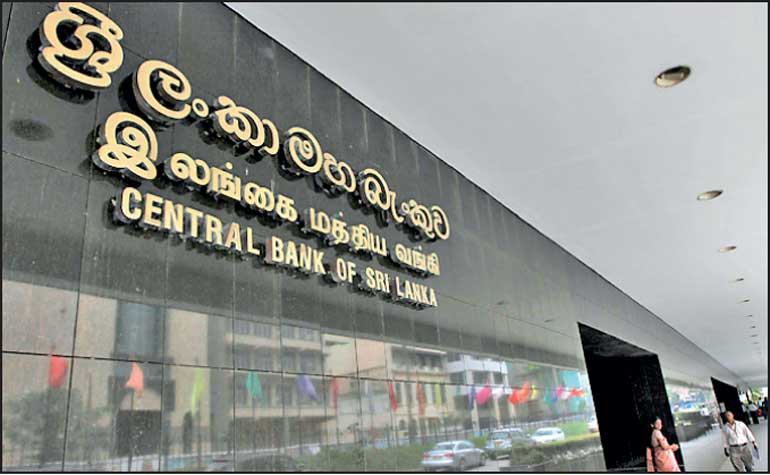
Photo credits: Daily FT
Event:
Questioning the wage increase
In February, the wages of the officials of the Central Bank of Sri Lanka (CBSL) were adjusted by proportions of 29.53 percent to 79.97 percent.[1][2] Subsequently, several government and opposition MPs raised the matter of the wage increase in parliament.[3][4]
Responding to the questioning: On February 25, the CBSL issued a press release claiming that they had requested a meeting with MPs to apprise them of the process and rationale behind the wage increase.[5][6]
Summoning to parliament: On February 27, the Chairperson of the Committee on Public Finance (COPF) MP Harsha de Silva stated that the governing board of the CBSL had been summoned to appear before the COPF.[7][8] Meanwhile, on March 1, the Department of Communication of the parliament announced that the CBSL officials would be summoned to attend the party leaders’ meeting on March 5.[9][10]
Over the past two weeks, the Sinhala press reporting, TV coverage and social media posts were overwhelmingly critical of the increase in wages of the CBSL officials.[1] The critical Sinhala media commentary conveyed a sense of disappointment with the CBSL and branded it an ‘unjust’, ‘unfair’ and ‘unethical’ institution. The critical voices included politicians from the government and the opposition, members of the Buddhist clergy, and some press editorials and political columns appearing in the privately-owned newspapers Aruna, Mawbima, Divaina and Anidda. Voices in support of the wage increase were limited to some CBSL officials.
This week’s TMA unpacks two behaviours that generated the sense of disappointment conveyed in the critical media commentary on the CBSL and its conduct.
I. Asserting exceptionalism
On the one hand, the CBSL was positioned as behaving in a manner that asserted exceptionalism – where rules that applied to others were not applied to itself. This was because the wage increase, which was done without parliamentary approval, was carried out at a time when wage increases had been halted for the public sector.
The critical commentary on exceptionalism by the CBSL can also be viewed as related to the previous criticism directed towards the CBSL. For instance, in September 2023, the CBSL came under strident criticism for managing a CBSL Provident Fund (CBSLPF) for its employees with a higher rate of return (29 percent) while the Employee Provident Fund (EPF) in which most private sector workers have their funds and which is also managed by the CBSL received a much lower rate of return – which was reported as 9 percent.[2] Similarly, the CBSL also faced criticism for subjecting the EPF to domestic debt restructuring while sparing private bondholders and banks from restructuring their domestic debt.
The CBSL’s decision to hike salaries within the institution, despite the recommendation of the Ministry of Finance not to increase the salaries of public officials,[3] came under severe criticism. These asserted that the CBSL had placed itself in a position of exceptionalism – giving itself benefits that were not available to other officials in the public sector.
II. Not walking the talk
On the other hand, the CBSL was positioned as acting in a manner that was contradictory to its own past messaging. During the economic crisis, the CBSL called on the public to tighten their belts to help Sri Lanka recover. Critical media voices and popular memes juxtaposed the wage increase with the plight of the struggling public (see this week’s memes).
The criticism of not walking the talk is similar to past criticisms directed towards state officials and political actors. For instance, the Sri Lanka Ports Authority and some SLPP MPs were criticised for hosting a party on a cruise boat while urging the public to make sacrifices during the economic crisis.[4]
Overall, the increase in wages cast the CBSL in a negative light. The criticisms directed towards the CBSL appeared to be implicitly and explicitly directed towards CBSL Governor Nandalal Weerasinghe as well. During the aragalaya (the wave of democratic protests in 2022) and the economic crisis, Weerasinghe was portrayed as a saviour who was capable of steering Sri Lanka back to recovery from the economic crisis. At present, the positive portrayal of Weerasinghe appears to have waned, especially in the context of the wage increases and recent issues about which CBSL decisions have faced criticism.
Within the context of the economic crisis, the CBSL (along with its current governor) was the institution that was seen as being most capable of helping Sri Lanka’s economic recovery. Building on past censure, the criticism of the CBSL this week shows a gradual erosion of the public’s confidence in the institution and its leadership.
02. IGP appointment: Legitimacy questioned of person and process
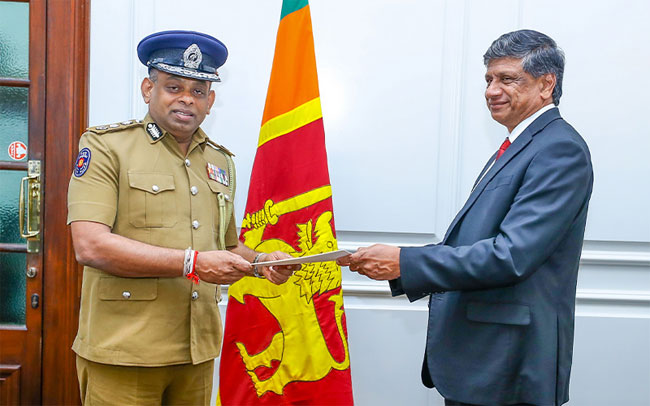
Photo credits: Ada Derana
Event: On February 26, Acting Inspector General of Police (IGP) Deshabandu Tennakoon (hereinafter referred to as Deshabandu) was appointed as Sri Lanka’s 36th IGP.[1][2]
Constitutional Council votes for Deshabandu: On February 26, at the meeting held to affirm Deshabandu’s appointment, four members of the Constitutional Council (CC) voted in favour of the appointment, two members against it, and two abstained from voting.[3][4] Opposition Leader Sajith Premadasa contested Chairperson of the CC Speaker Mahinda Yapa Abeywardena’s vote, claiming that, according to the Constitution, it could only be used during a tie.[5][6] On the same day, the opposition initiated the signing of a no confidence motion against the speaker purporting violation of the Constitution and parliamentary privileges of MPs when enacting the Online Safety Bill.[7][8]
Petitions against Deshabandu: On February 27, seven fundamental rights petitions filed against Deshabandu’s appointment as the acting IGP and to prevent his appointment as the IGP were taken up for hearing at the Supreme Court.[9][10] Following Deshabandu’s appointment as the IGP, the Supreme Court fixed the dates for these hearings for April 2.[11][12]
Over the past two weeks, criticism of the appointment of Deshabandu as the IGP as unconstitutional dominated the Sinhala print media and TV channels. Social media posts with the highest interactions on Deshabandu primarily featured mainstream TV news coverage of his appointment, which attracted an overwhelmingly critical response (in the form of reactions and comments) from social media users.[1]
The media coverage of the past two weeks echoes the previous coverage of Deshabandu’s appointment as the acting IGP, analysed in TMA Vol.13, No.46. Similar to the past coverage, the criticism of the appointment in the print media over the past two weeks was led primarily by members of the opposition and the editorial of the privately-owned Anidda newspaper. Meanwhile, support for Deshabandu’s appointment came from editorials of the state-owned Dinamina newspaper, Minister of Public Security Tiran Alles, and members of the Buddhist clergy who were featured on the privately-owned Derana[2] and the state-owned Rupavahini TV channels.
A notable change from past reports is the lack of print media coverage given to the Buddhist clergy supportive of Deshabandu who were exclusively featured on the TV channels Derana and Rupavahini. The editorial of the Mawbima, a newspaper owned by Minister Tiran Alles[3], which had previously been silent on the appointment of Deshabandu, was supportive of him in the past week.
Similar to the past, the editorials of privately-owned Aruna, Divaina, and Lankadeepa newspapers kept silent on the appointment in the past two weeks.
This week’s TMA will analyse the critical media narrative surrounding Deshabandu’s appointment as unconstitutional, in the light of two underlying problems it foregrounds: (1) the problem with Deshabandu’s character, and (2) the problem with the CC’s independence.
1. Problem with Deshabandu’s character
In comparison to the analysis of TMA Vol.13, No.46, the voices critical of Deshabandu’s character and his suitability for the post have increased in scope and were amplified in the past weeks’ reporting following his appointment as the IGP. These voices continued to position him as a ‘problematic’ character, unsuitable for the role of IGP in the light of the finding by the Supreme Court that he was involved in torture, and further allegations in public discourse of him functioning to undermine the rule of law.
His conduct during the Easter Sunday attacks, his role in attacking aragalaya protesters on May 9, 2022, and accusations levelled against him for violating human rights[4] were among the criticisms that emerged concerning Deshabandu in the media coverage analysed in the previous TMA (Vol.13, No.46). Critical voices, including SJB MPs Lakshman Kiriella and Ranjith Madduma Bandara, and the editorial of the Anidda newspaper, challenged the president’s decision to appoint Deshabandu, arguing that the position of IGP demands an individual who strictly adheres to the law.
2. Problem with the CC
Critical commentary on the process followed by the CC in appointing Deshabandu as IGP foregrounded deep-rooted concerns about the independence of institutional structures. The current issue mirrors the concern observed in the past TMA on Deshabandu (Vol.13, No.46), where the president was criticised for compromising the independence of the CC during the appointment of Deshabandu as acting IGP. Opponents of the appointment of Deshabandu as IGP, including Opposition Leader Sajith Premadasa and self-identified independent MP G.L. Peiris, criticised the speaker for his actions during the voting process, accusing him of a ‘blatant violation’ of the Constitution in the manner in which his vote was used to confirm the decision. Framing the move as ‘interference’, they claimed it undermined the independence of a public institution, adding that it set a precedent for government interference in appointments to other public offices. Past issues of TMA have also noted similar concerns regarding the independence of independent commissions and the judiciary, suggesting a pattern where independent institutions are expected to fall in line with the decisions made by the government rather than serve as checks and balances.[5]
Overall, the current criticisms of Deshabandu’s appointment echo criticisms previously directed at the president. For instance, public concern over Deshabandu’s suitability for the role of IGP appears to be intertwined with fear that the president may use his appointment as a means to suppress public dissent.[6] Moreover, implicit criticisms of President Wickremesinghe for previously overstepping the boundaries of democracy emerged in the Sinhala media in the light of his support of the allegedly unconstitutional conduct of the speaker during the appointment of the IGP.[7]
Overall, Deshabandu’s appointment appears to cast a negative light on President Wickremesinghe, reinforcing growing public concerns over the president’s respect for democratic norms and worries that he is increasing the suppressive apparatus of the state with unsuitable laws and appointments of high officials.
03. The Language Divide
Signposts the differences and nuances in reporting between Sinhala and Tamil language newspapers
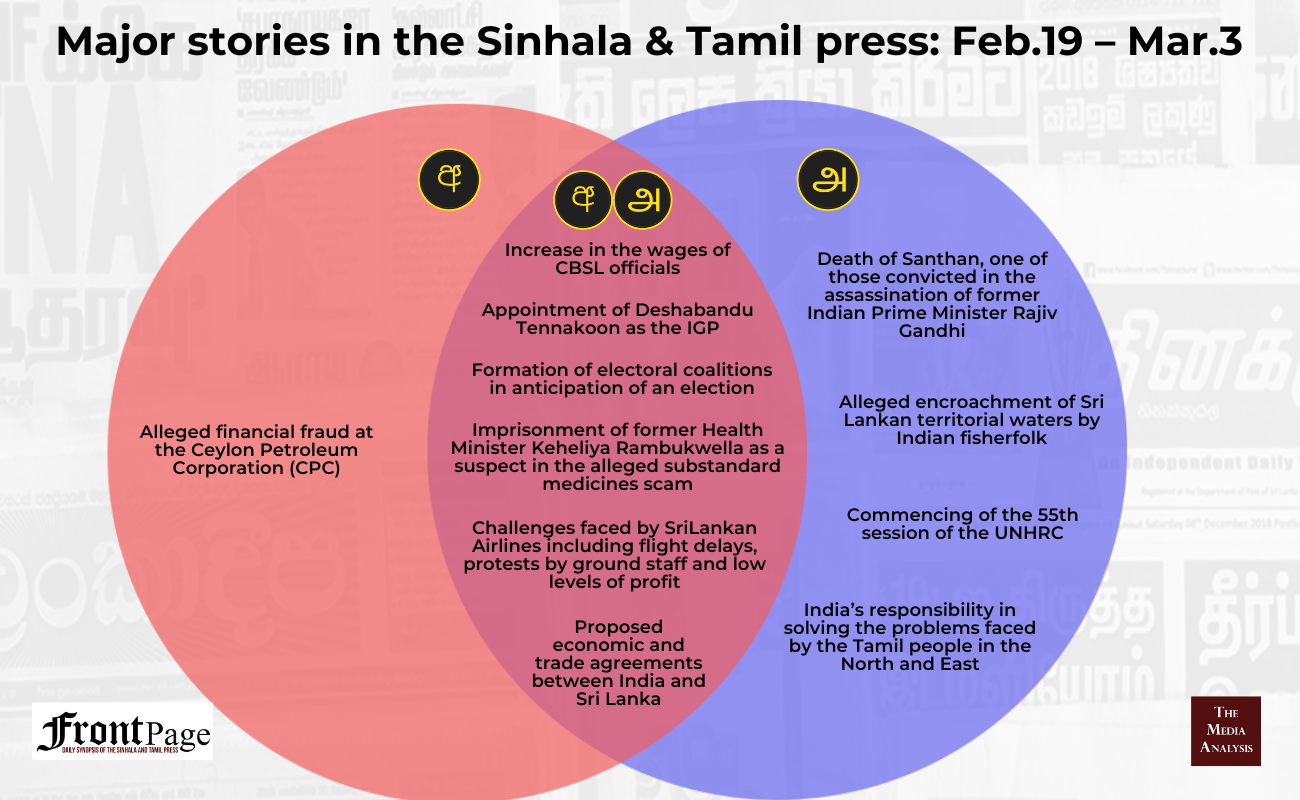
The last two weeks’ Sinhala and Tamil press converged in relation to six main stories. The six stories were on the: (i) increase in the wages of CBSL employees; (ii) appointment of Deshabandu Tennakoon as the IGP; (iii) formation of electoral coalitions in anticipation of an election; (iv) imprisonment of former Health Minister Keheliya Rambukwella as a suspect in the alleged substandard medicines scam; (v) challenges faced by SriLankan Airlines including flight delays, protests by ground staff and low levels of profit; and, the (vi) proposed economic and trade agreements between India and Sri Lanka. The Sinhala press exclusively featured one main story, and it was on the alleged financial fraud at the Ceylon Petroleum Corporation (CPC). The Tamil press exclusively featured four main stories. They were on the: (i) death of Santhan, one of those convicted in the assassination of former Indian Prime Minister Rajiv Gandhi; (ii) alleged encroachment of Sri Lankan territorial waters by Indian fisherfolk; (iii) commencing of the 55th session of the UNHRC; and (iv) India’s responsibility in solving the problems faced by the Tamil people in the North and East.
Do you want to see the divided priorities on a daily basis? Check out FrontPage. It captures the day’s headlines and features succinct summaries of the political news reported in the most widely read Sinhala and Tamil newspapers.
Rally marking seven years of continuous protest by the families of disappeared persons: How did TV channels cover it?
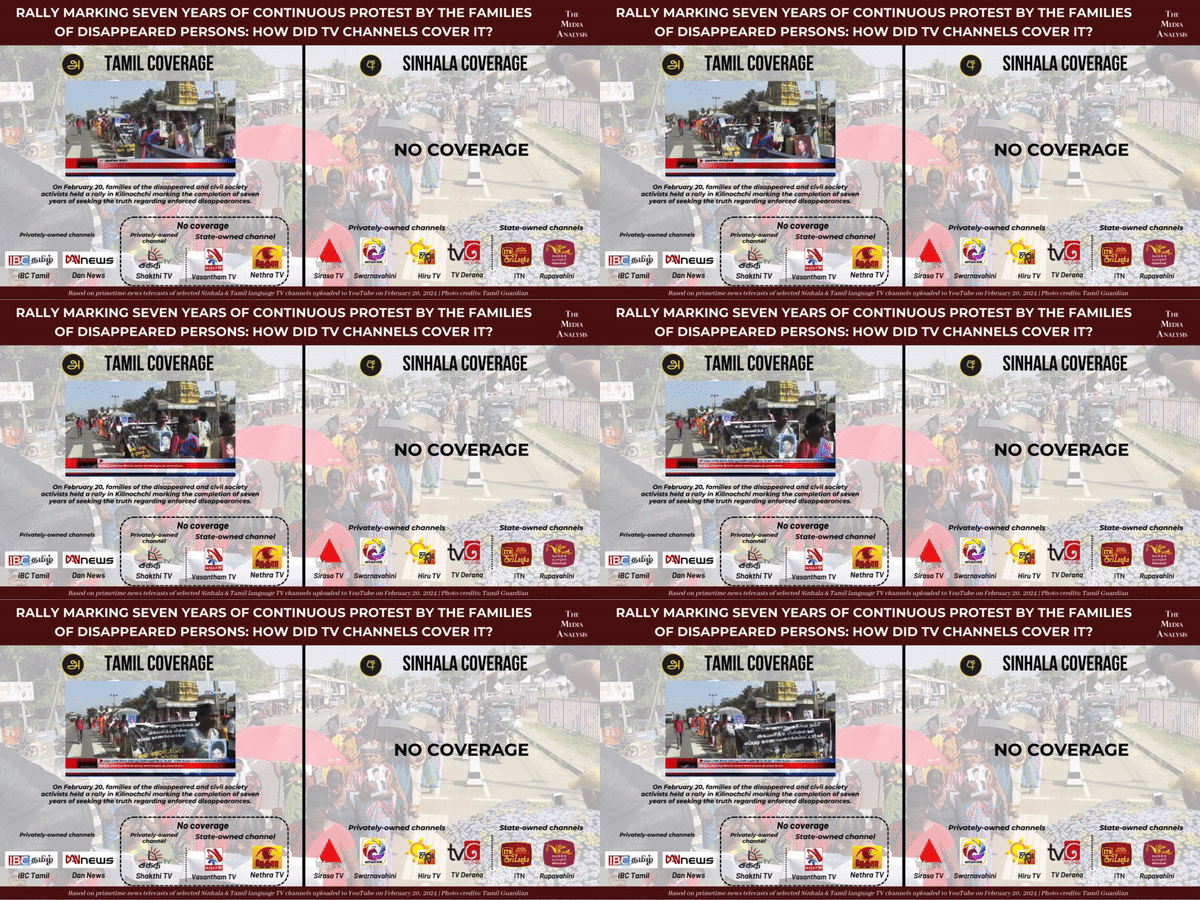
On February 20, families of disappeared persons and civil society activists held a rally in Kilinochchi marking seven years of continuous protest demanding justice. Privately-owned Tamil TV channels IBC Tamil and DAN News allotted coverage to the rally in their primetime news telecasts. By contrast, there was no coverage of the rally on privately-owned Tamil TV channel Shakthi TV, state-owned Tamil TV channels Vasantham TV and Nethra TV, privately-owned Sinhala TV channels Sirasa TV, Swarnavahini, Hiru TV and TV Derana and state-owned Sinhala TV channels ITN and Rupavahini. For more information, click here
04. The TV coverage of the issue
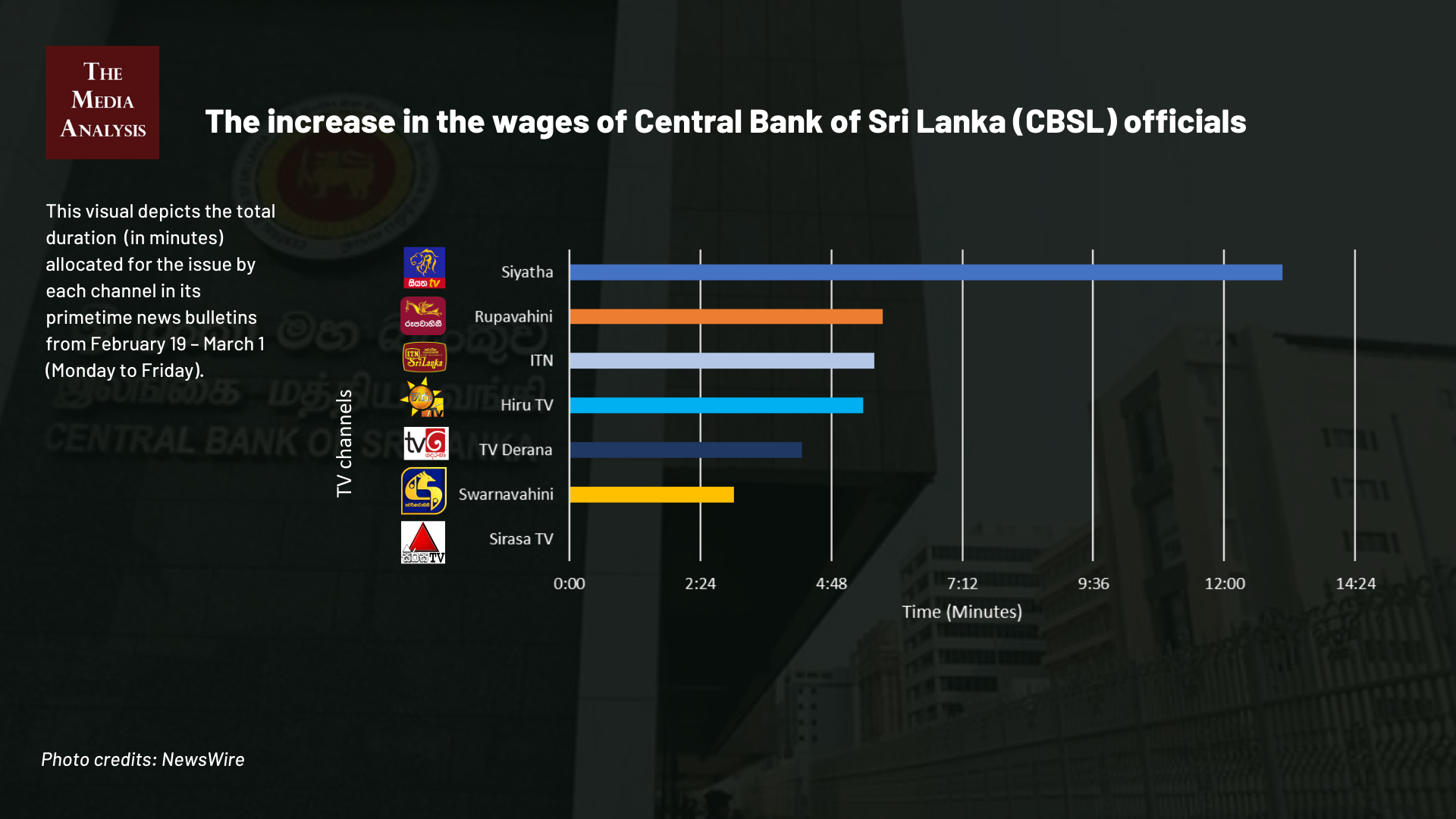
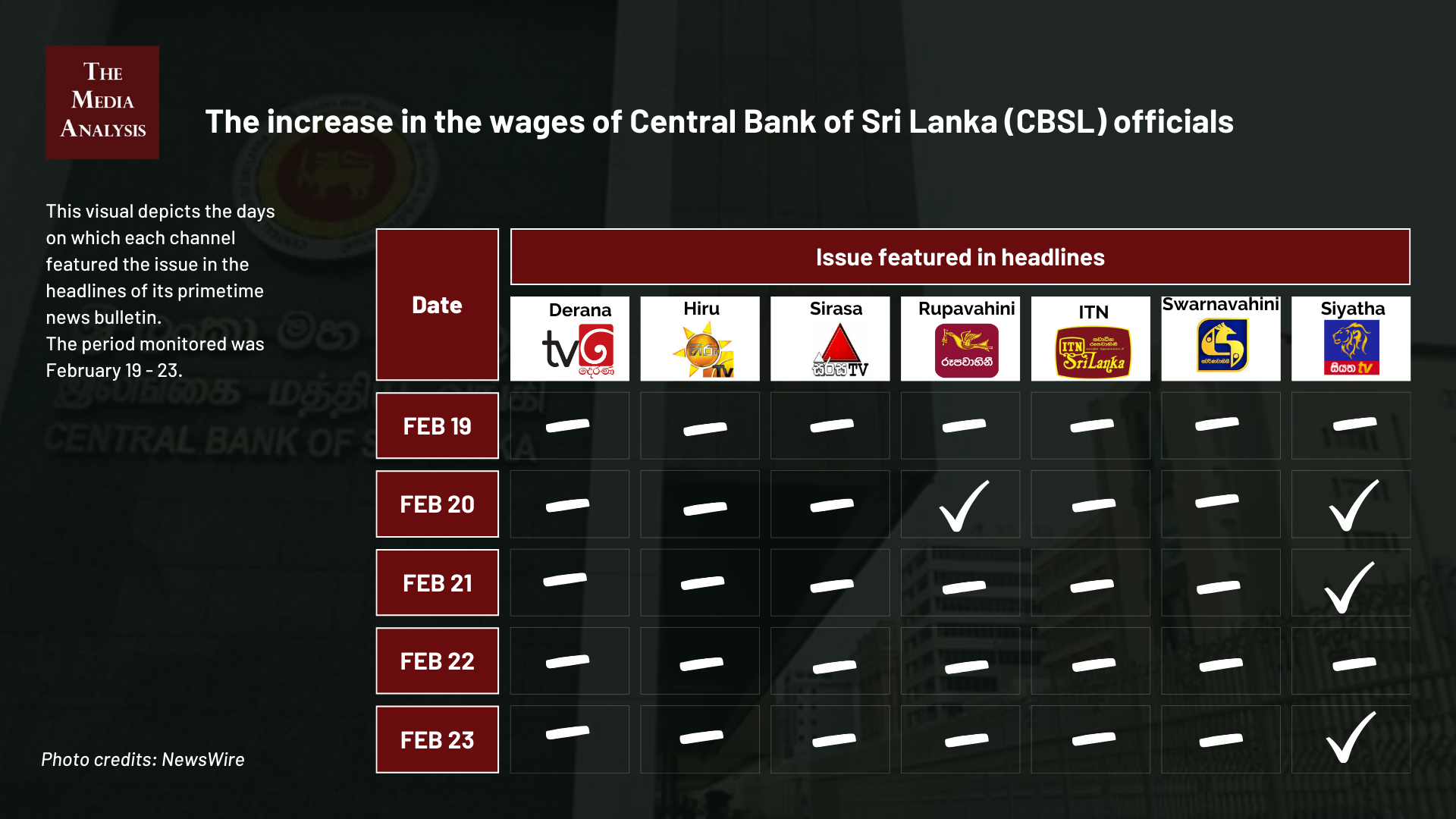
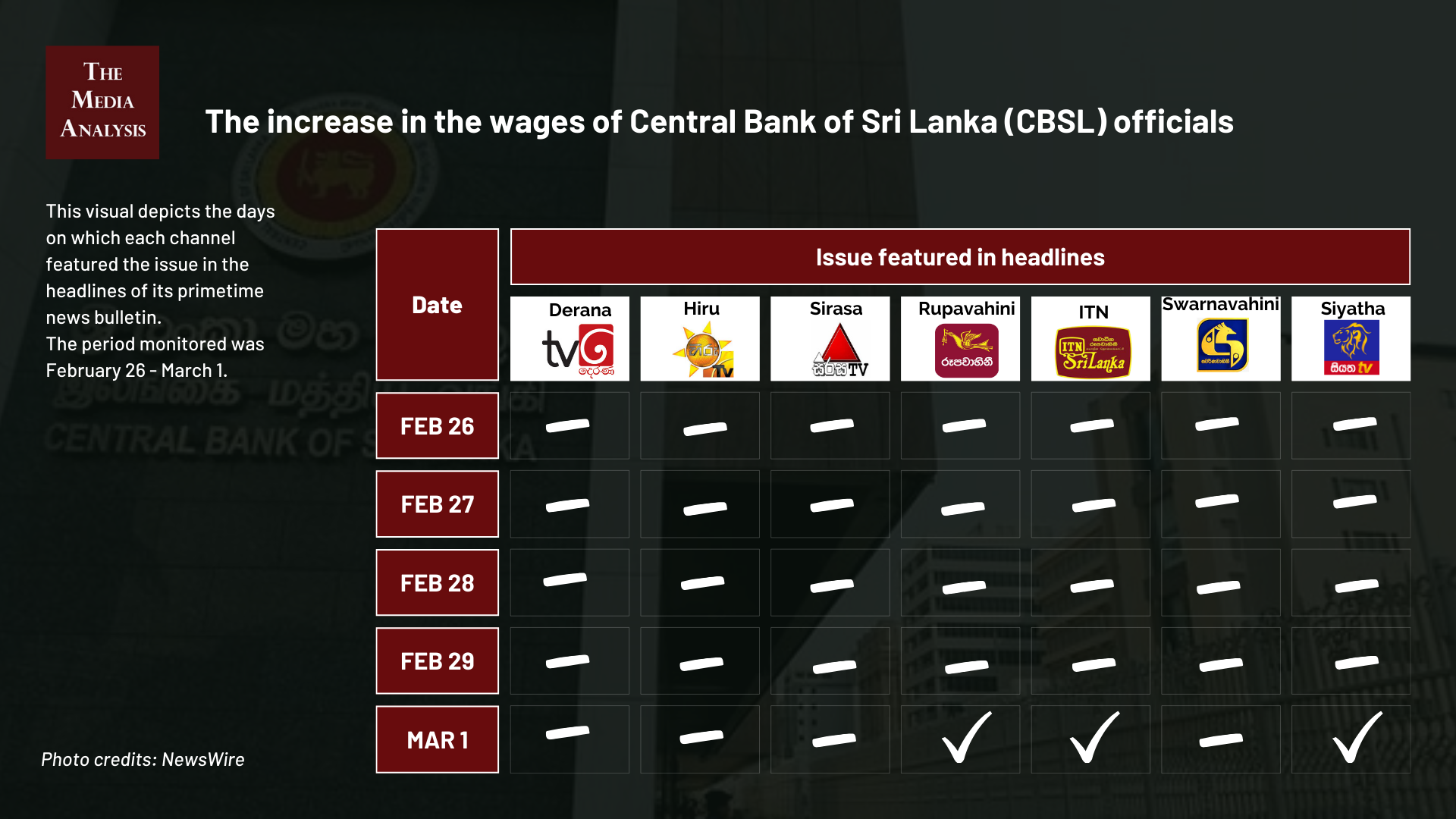
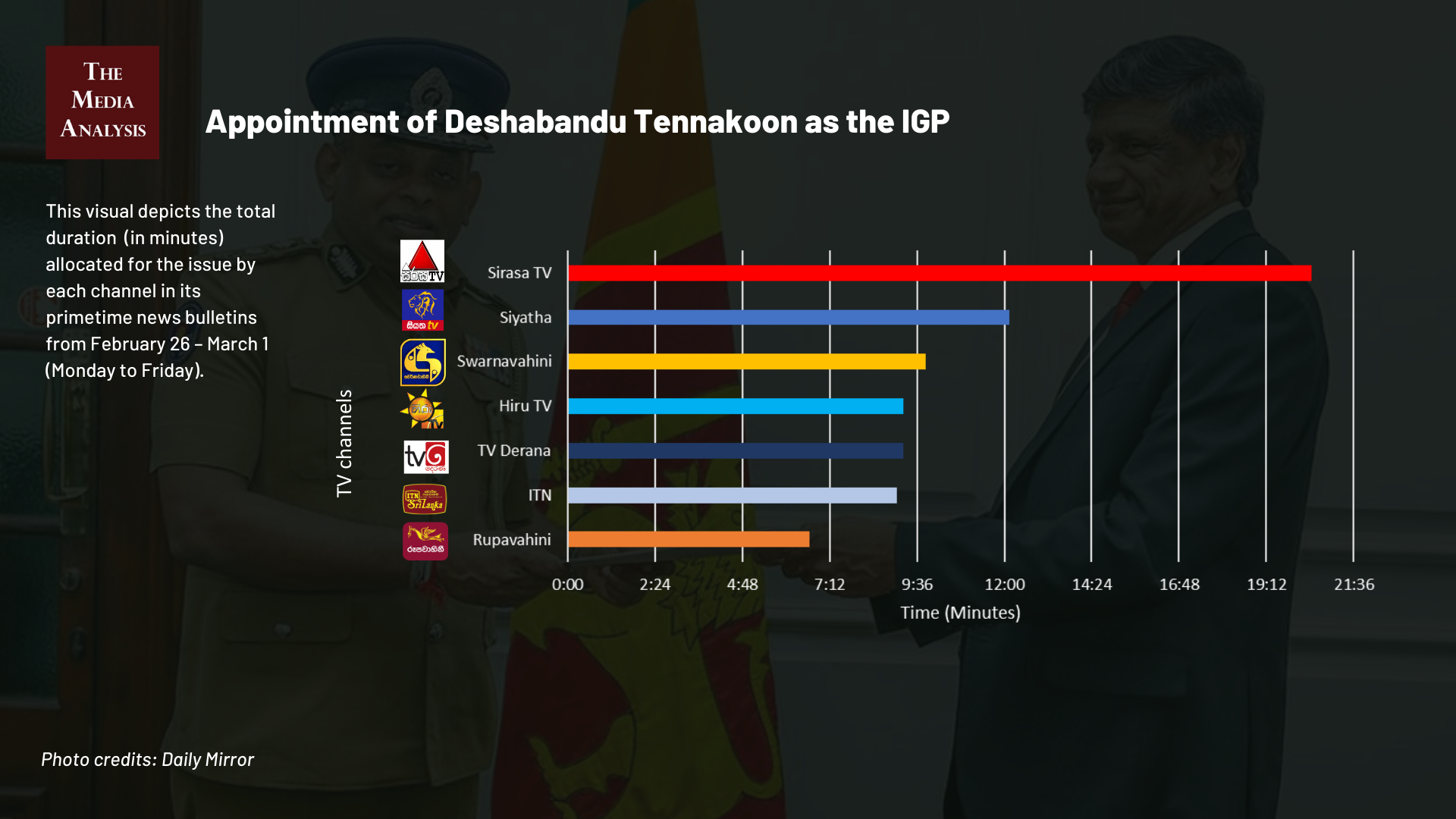
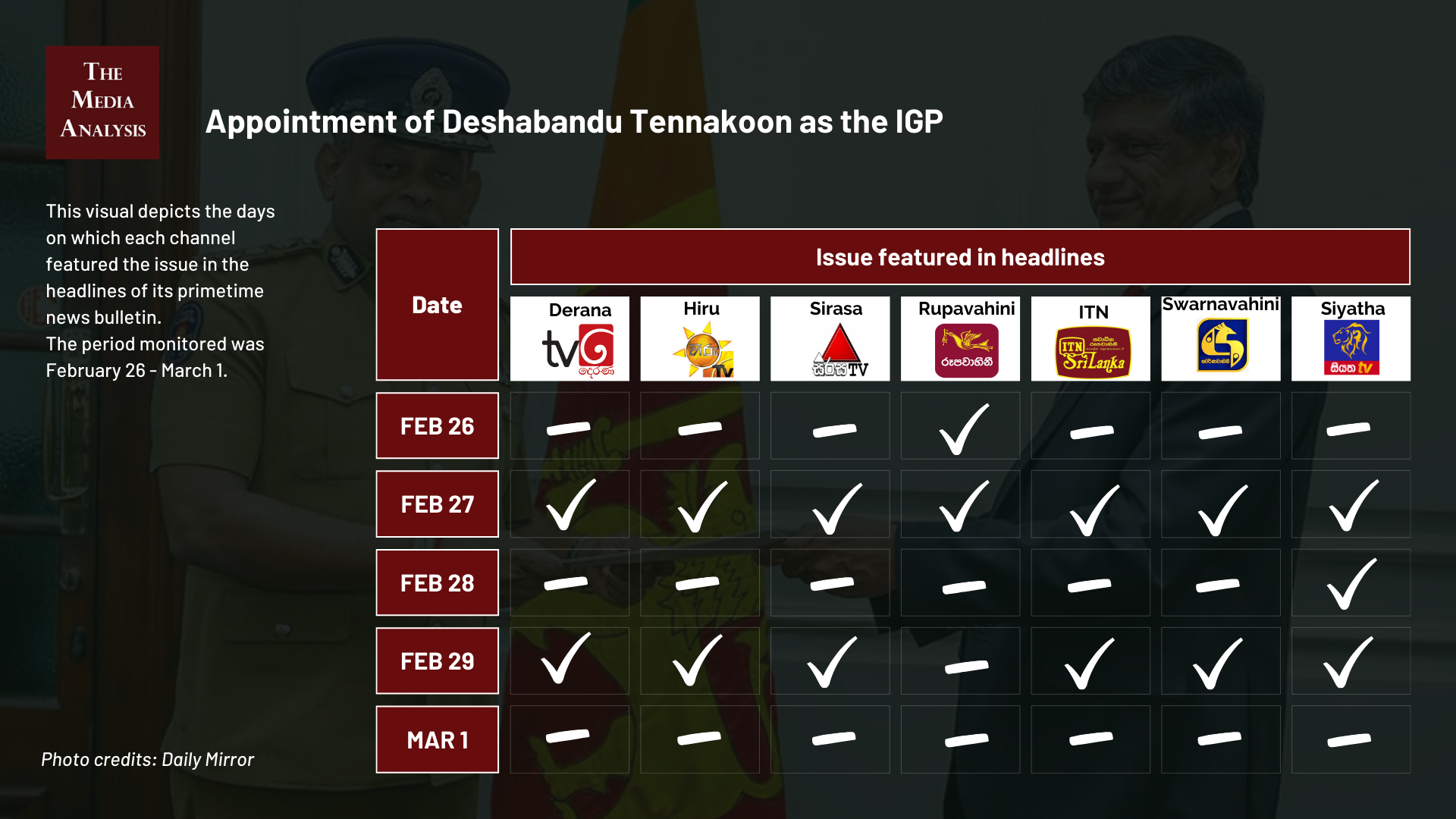
The data on television coverage is based on the monitoring of the primetime news telecasts of selected Sinhala language TV channels uploaded to YouTube. Monitoring for the issue on the appointment of Deshabandu Tennakoon as the IGP was carried out only from February 26 – March 1 as he was appointed to the post on February 26. No coverage was allotted on Sirasa TV for the issue of the increase in the wages of the Central Bank of Sri Lanka from February 19 – March 3.
04. This week’s cartoons
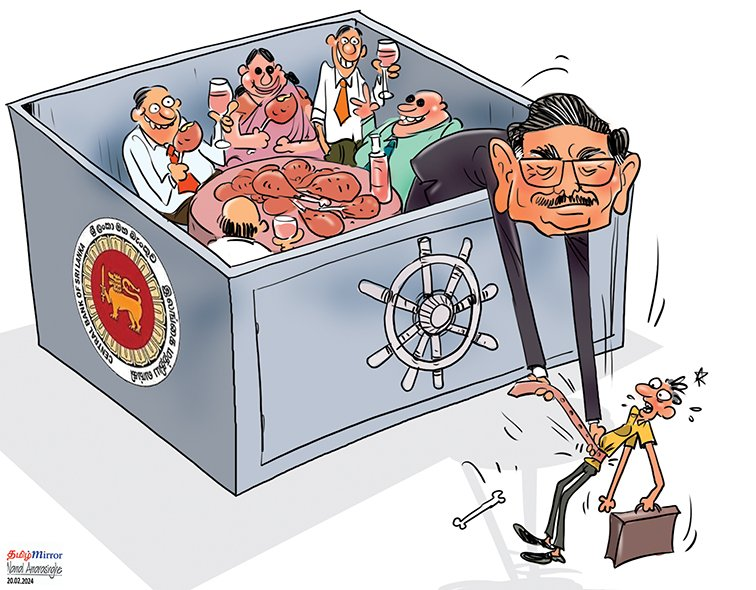
Courtesy of Tamil Mirror, Feb.20, 2024
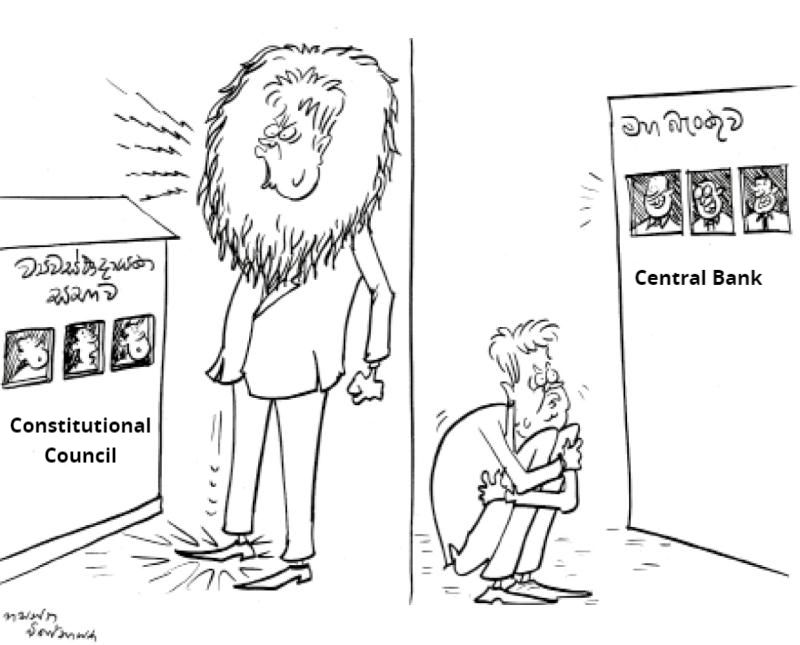
Courtesy of Aruna, Feb.22, 2024
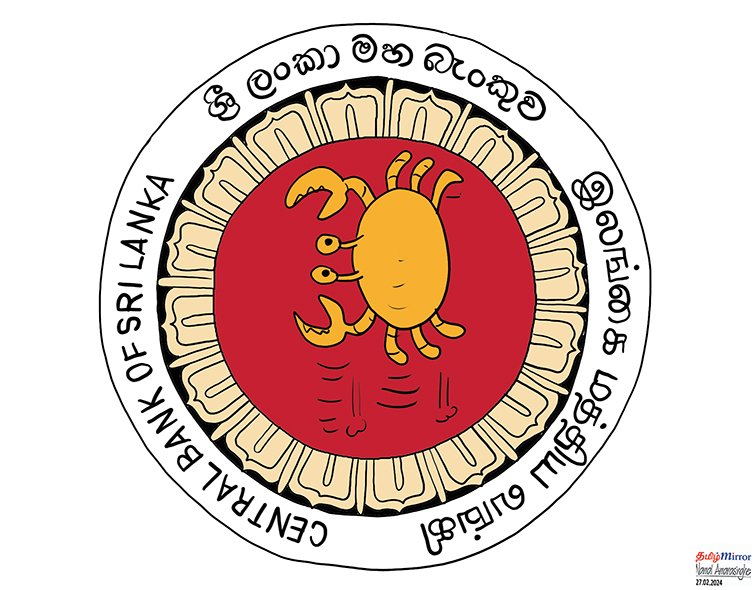
Courtesy of Tamil Mirror, Feb.27, 2024
Context: The lion in the Central Bank logo has been replaced with a crab walking sideways. This refers to the story of the crab that walks sideways while telling its children to walk in a straight line. It implies that the Central Bank is acting contrary to its instructions to the people.
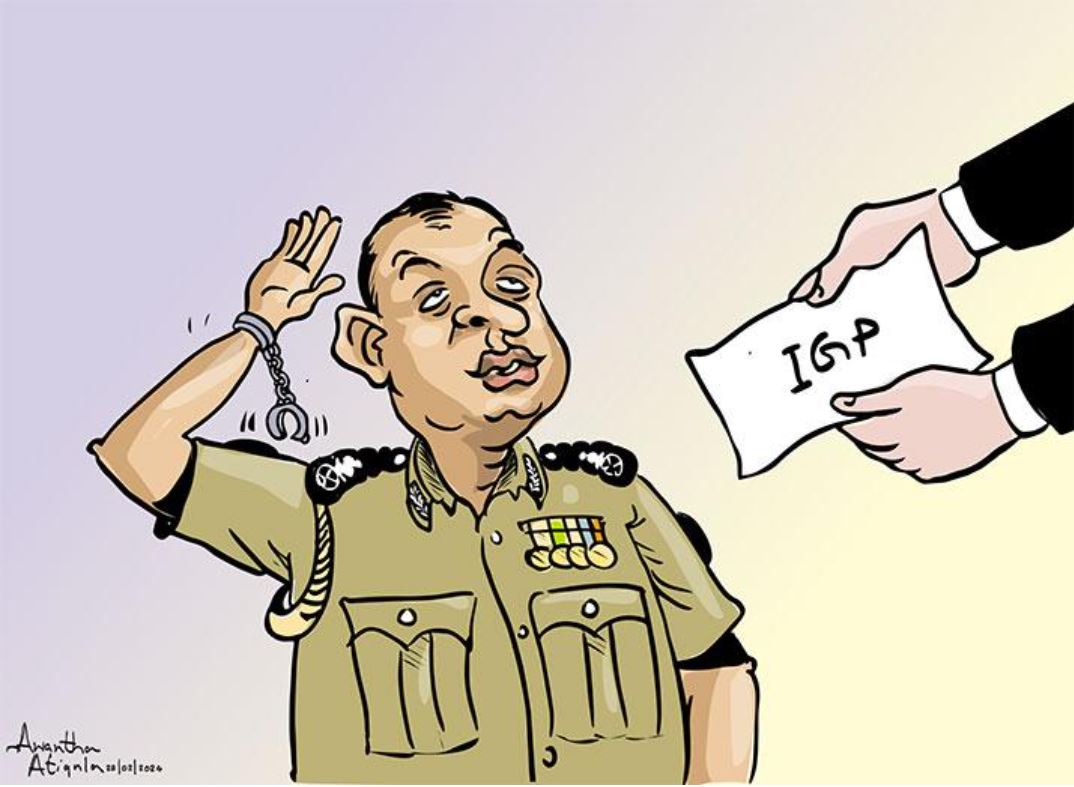
Courtesy of Ada, Feb.28, 2024
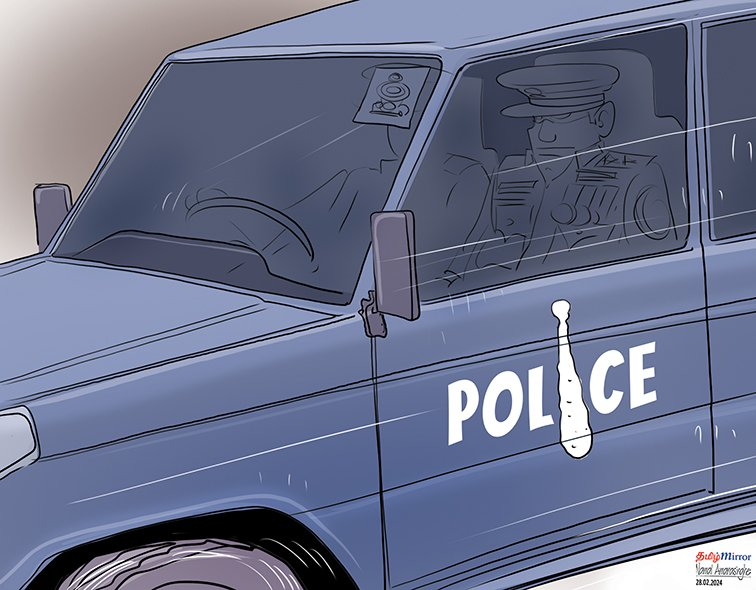
Courtesy of Tamil Mirror, Feb.28, 2024
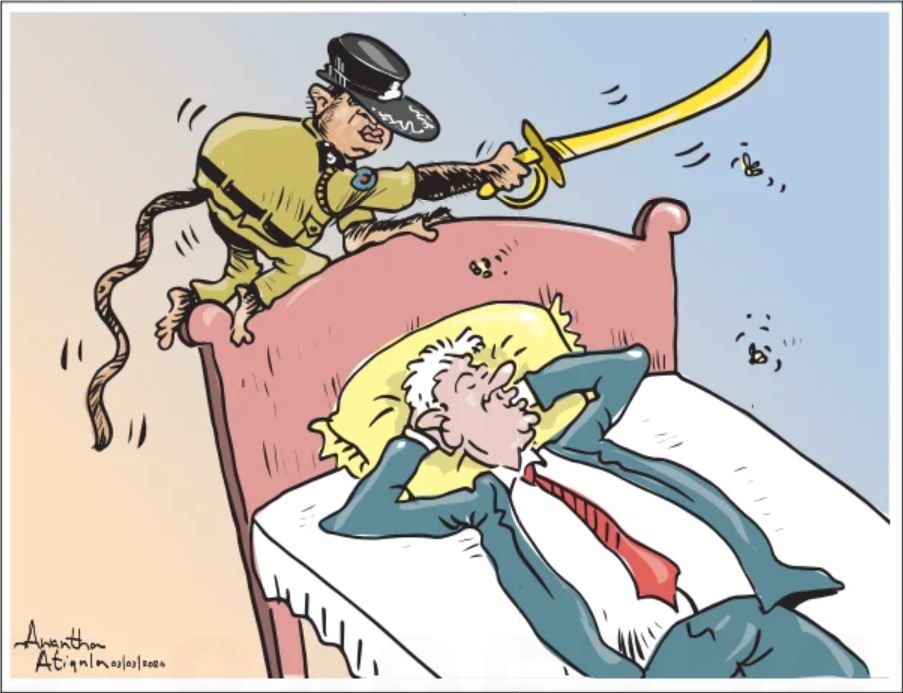
Courtesy of Sunday Lankadeepa, Mar.3, 2024
05. This week’s memes
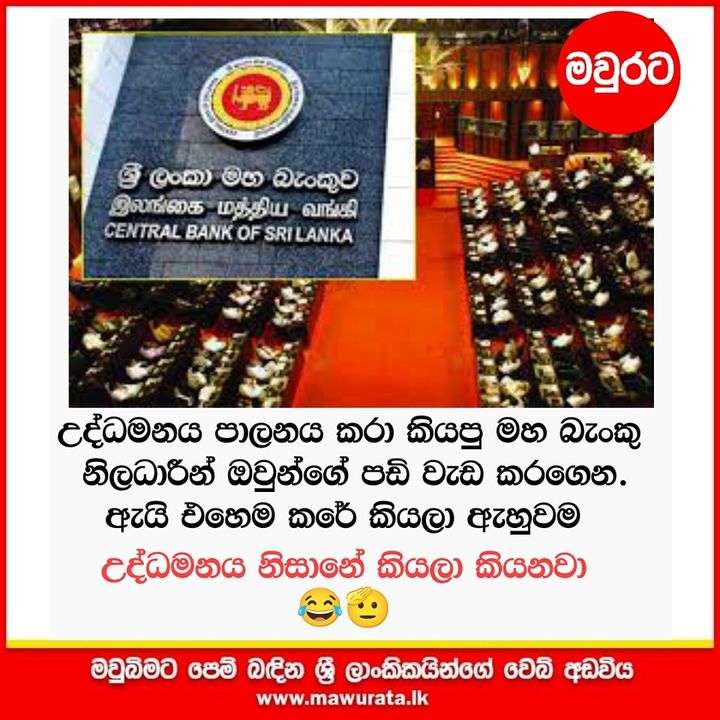
The Central Bank officials who claimed to have controlled inflation have given themselves a salary increase. When asked why they did so, they are saying it’s because of inflation
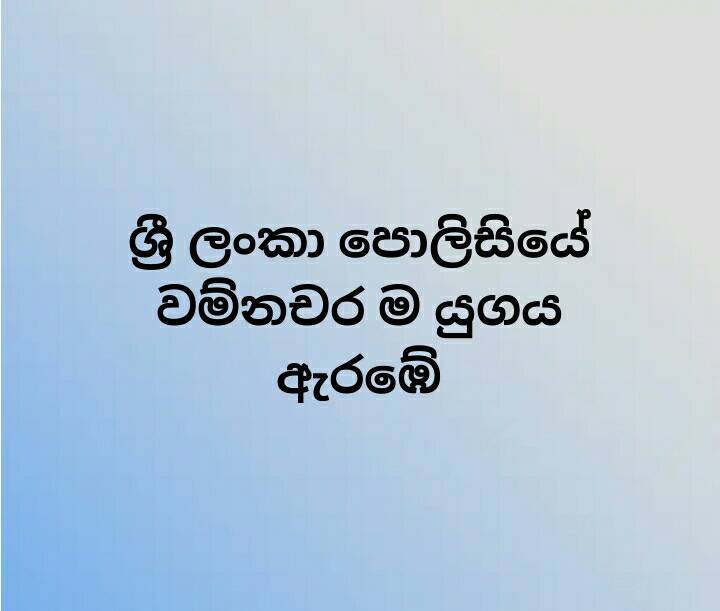
[This is] the beginning of the most barbaric era of the Sri Lanka Police
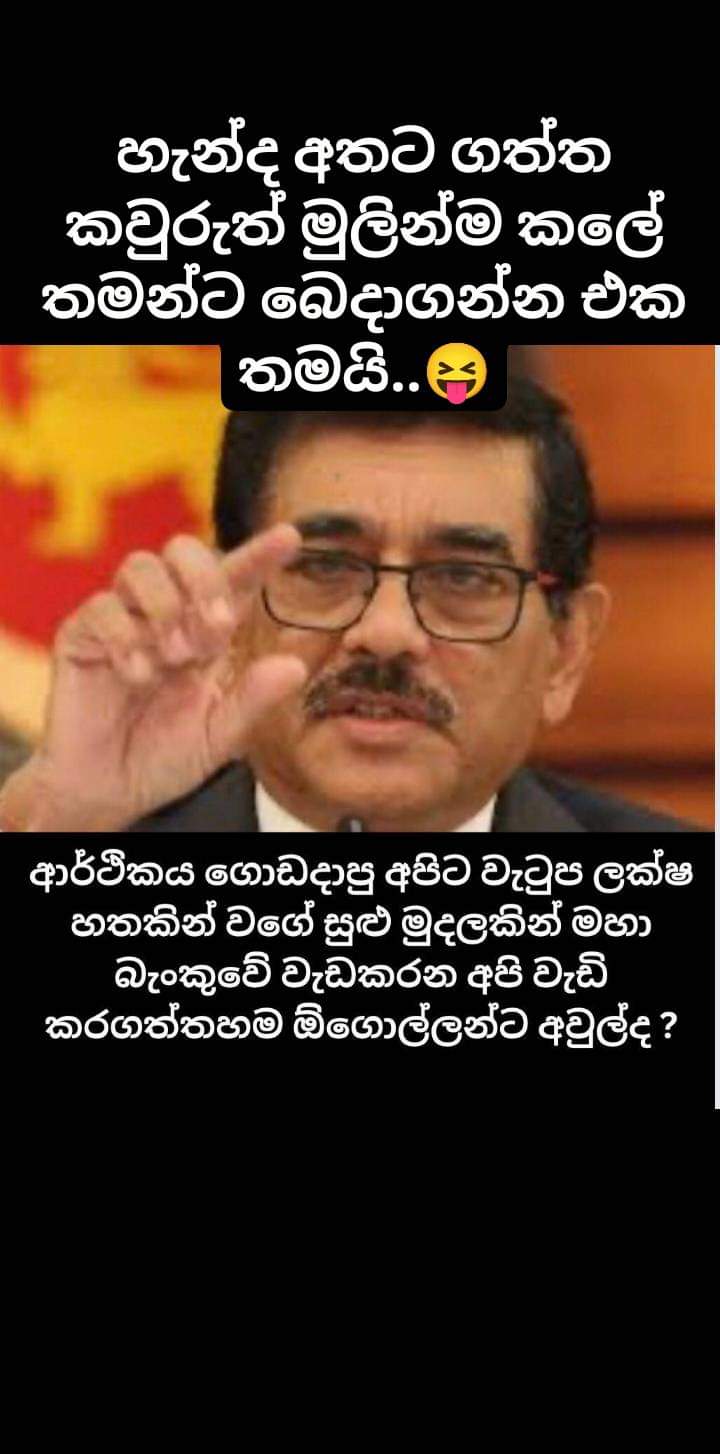
The first thing that all those who took the spoon to their hands did was to ensure they served themselves (makes use of a Sinhala idiom that refers to the person who decides how others are treated as the one who holds the spoon)…
Central Bank Governor Nandalal Weerasinghe: Does it bother you when we who are working at the Central Bank and rebuilt the country’s economy increase our salaries by an amount as little as Rs. 700,000?
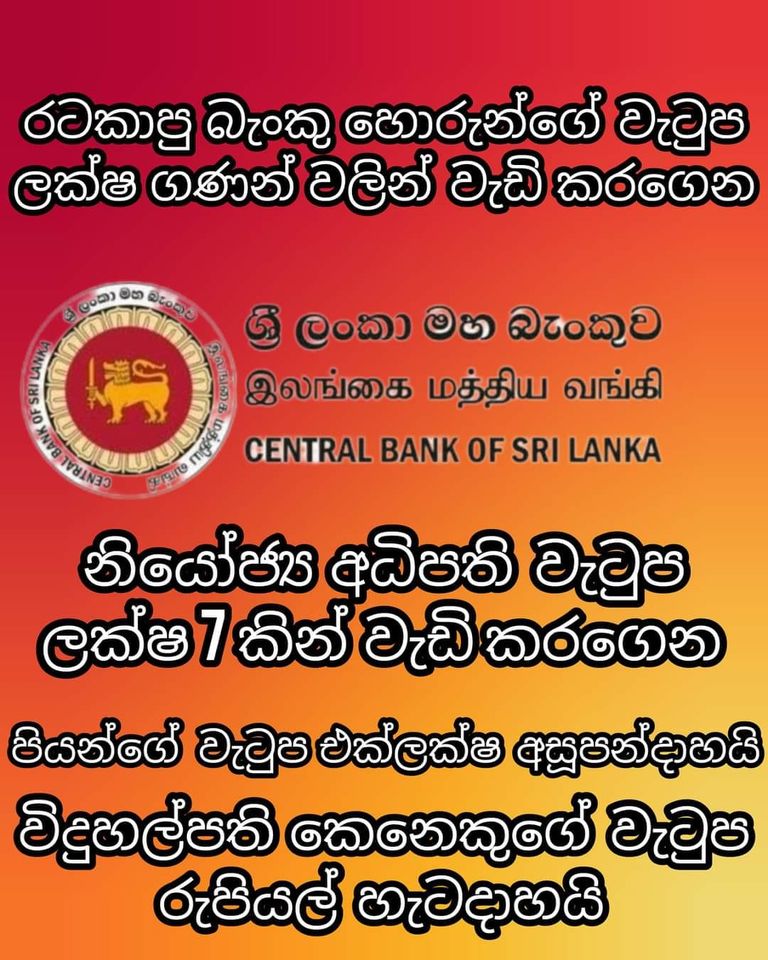
The salaries of the bank robbers who ruined the country have been increased by hundreds of thousands of rupees
The deputy governor has had his salary increased by Rs. 700,000
The salary of an office assistant is Rs. 185,000
The salary of a school principal is Rs. 60,000
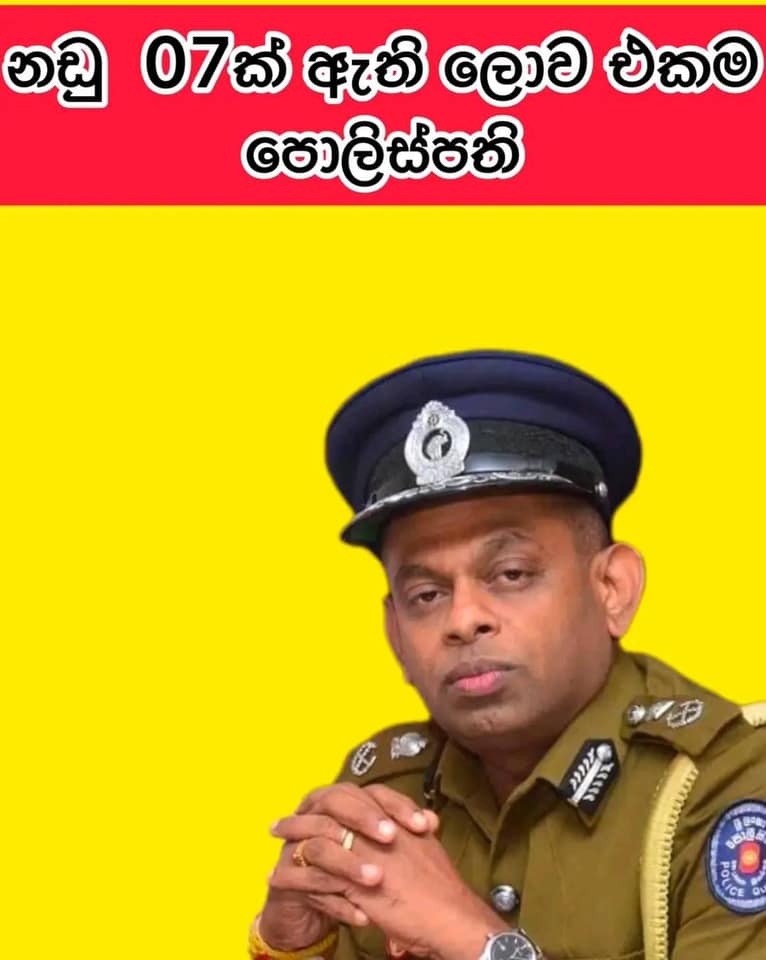
The only IGP in the world who has seven court cases filed against him
07. Other topics covered in reportage
- Opposition to privatising national assets
- Alleged tussle between the SJB and MP Sarath Fonseka
- Reported prevalence of underworld activities despite the ongoing ‘Yukthiya’ operation
- Impact of the economic crisis on the public
- Resolutions passed by political representatives in certain areas nominating Namal Rajapaksa as the SLPP candidate at the next presidential election
To view this week’s news summaries, please click here