
Online Safety Bill
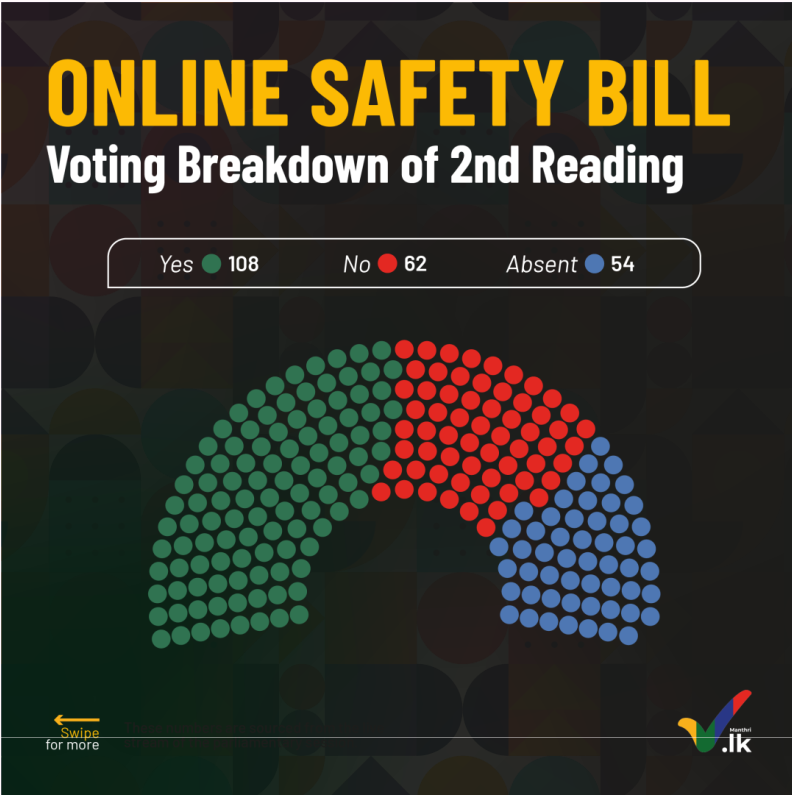
The second reading of the Online Safety Bill was passed by a majority of 46 MPs in parliament on January 24, 2024.
Click here to see the voting breakdown
This week in The Media Analysis...
Disclaimer: This week’s TMA focuses on the Online Safety Bill (OSB) being passed in parliament and the death of State Minister Sanath Nishantha.
1. All opposition parties converge against the OSB

Events:
Petitions against the Online Safety Bill (OSB)
On September 18, 2023, Minister of Public Security Tiran Alles gazetted the proposed Online Safety Bill (OSB) to establish an Online Safety Commission.[1][2]
On October 18, 2023, Speaker Mahinda Yapa Abeywardena informed parliament that over 40 fundamental rights (FR) petitions had been filed in the Supreme Court against the OSB.[3][4]
On November 7, 2023, the Supreme Court determined that the OSB could be passed in parliament by a simple majority, subject to amendments made to 31 of its provisions.[5][6]
Parliamentary readings of the OSB
On January 22, 2024, the Sectoral Oversight Committee (SOC) on Media, Youth, Heritage and New Citizens under Chairperson MP Lalith Warankumara approved the OSB, subject to the amendments determined by the Supreme Court.[7][8]
On January 23, Minister of Public Security Tiran Alles tabled the OSB in parliament for its second reading.[9][10] However, members of several opposition parties objected to taking the bill up for debate and requested a motion to postpone it.[11][12] This motion was defeated by a majority of 33 votes.[13][14]
Passing of the Online Safety Bill
On January 24, the debate on the second reading of the Online Safety Bill (OSB) continued in parliament and was passed with a majority of 46 votes, with 108 MPs in favour and 62 against.[15][16] Subsequently, the OSB was passed without a vote a!er the third reading of the bill.[17][18]
Speaker Mahinda Yapa Abeywardena announced that the attorney general’s department would assess whether all amendments introduced during the legislative process align with the directives of the Supreme Court prior to its enactment.[19][20]
Analysis
Over the past week, the Sinhala press reportage, TV coverage and social media posts were overwhelmingly critical of the Online Safety Bill (OSB).[1] Similar to TMA Vol.13, #36 & 37, Sinhala media reporting on the OSB featured views that emerged from two distinct camps.
The first camp comprised of opponents of the OSB. Since the previous issue of TMA on the OSB, this camp’s composition has expanded and its views have since become amplified, thus dominating the Sinhala media discourse last week. Opposition political parties such as the SJB, the NPP, the NFF and the ITAK, self-identified independent MPs and editorials of privately-owned newspapers such as Lankadeepa, Mawbima and Divaina constituted the first camp.
The second camp comprised of proponents of the OSB. This camp included the government voices of Minister of Public Security Tiran Alles, State Minister of Mass Media Shantha Bandara, SLPP MP Nimal Lanza and Cabinet Spokesperson Bandula Gunawardena among others, as well as the state-owned media such as Dinamina and Silumina, along with the privately-owned newspaper Sathi Aga Aruna (Weekend Aruna).
Camp 1: Opposing the OSB
Voices within Camp 1 raised objections to the passing of the bill on three grounds. They questioned: (i) the process of passing the bill, (ii) the principles undergirding the bill and (iii) its ‘price’ on the economy. The following section briefly expands on the grounds on which media arguments critical of the bill were framed.
(i) Problematising the process
Opponents of the OSB raised concerns over the parliamentary process of passing the bill on two counts.
(a) Issues with due process
Critics of the bill challenged the parliamentary procedure followed in the passing of the bill. They argued that the bill was passed in violation of the parliamentary standing orders, alongside the inclusion of clauses that are contrary to the Supreme Court’s determination on the bill. For instance, ITAK MP M. A. Sumanthiran and NPP MP Harini Amarasuriya highlighted the lack of a comprehensive report being presented by the sectoral oversight committee on the amendments proposed by the Supreme Court prior to the commencement of parliamentary debates on the bill.[2] Concurrently, self-identified independent MP Dayasiri Jayasekara pointed out the contradictions between the amendments to the clauses of the bill put forth by the government and the Supreme Court’s directives.[3]
(b) Issues with a ‘rushed’ process
The bill also came under criticism for being ‘hastily’ tabled and passed without allowing su”icient time for parliamentary debate and review. For instance, several opposition MPs including SJB MP Eran Wickramaratne and self-identified independent MPs G. L. Peiris and NFF Leader Wimal Weerawansa, and the privately-owned Mawbima newspaper questioned the government on the ‘rushed’ manner in which the bill was moved in parliament. They contended that there was inadequate time reserved to review whether the significant number of amendments and Supreme Court recommendations had been incorporated in the bill prior to its passing. More specifically, Weerawansa questioned the unavailability of the bill in Tamil.
(ii) Problematising the principles
As noted in TMA Vol.13, #36 & 37, opponents of the OSB positioned it as a ‘tool’ deployed by the government to: (a) suppress freedom of expression and (b) silence public dissent. This positioning remained consistent in last week’s reporting, with more overt consensus among voices opposing the bill. These voices reiterated the framing of the OSB as a ‘toolkit’ for suppression established through legislation by the government led by President Ranil Wickremesinghe, particularly in anticipation of a potential election. The grounds on which the oppositional parties converged in their criticism of the bill are briefly analysed below.
(a) Suppressing freedom of expression
Critical commentary on the OSB highlighted the ‘chilling e”ect’ of its broad provisions and room for executive overreach on free speech following its enactment.[4] These critics maintained that the Wickremesinghe-led government has repeatedly attempted to enact legislation—deemed draconian—aimed at suppressing the freedom of expression, such as the Broadcasting Authority Bill (BAB) and Anti-Terrorism Bill (ATB).[5] Similarly, these voices framed the OSB as a ‘tool’ that will enable the Wickremesinghe-SLPP government to consolidate its power to suppress freedom of expression. This framing contributed to the growing perception of the government as ‘anti-democratic’, ‘authoritarian’ and ‘dictatorial’ in its tendencies.[6]
(b) Silencing public dissent
Critical voices reiterated the positioning of the OSB as a tool to silence public dissent against the president and the government emerging through alternative platforms such as social media. For example, NPP Leader Anura Kumara Dissanayaka viewed the bill as an attempt to undermine information flowing through social media, and SJB MP Nalin Bandara claimed it to be an attempt to curb social media activists. This line of criticism underscores the prevailing perception of the government as being ‘fearful’ of public dissent owing to the lack of a public mandate, especially ahead of a potential election during the year.[7]
(iii) Problematising the price on the economy
Following the concerns of the Asia Internet Coalition[8] over the OSB’s potential to hinder the growth of Sri Lanka’s digital economy, opponents of the OSB framed the OSB as being an economically costly move by the government. For instance, self-identified independent MPs Dayasiri Jayasekara and Charitha Herath and SJB MP Lakshman Kiriella vocalised the potential impact on tourism and entrepreneurship if big tech companies such as Facebook, Google, Uber and Booking.com were to cease their operations in Sri Lanka. This line of criticism draws on the narrative that the country’s economic revival is the topmost priority amidst the prevailing economic crisis.[9] Consequently, this narrative permits an unfavourable view of any action perceived as jeopardising economic revival, including the adverse e”ects of the OSB on the digital economy. Notably, criticism of the OSB’s potential adverse e”ects on the economy adds a new dimension to the critical arguments previously voiced against the bill.
Camp 2: Supporting the OSB
Voices within Camp 2 continued to endorse the bill by drawing on the negative perceptions associated with social media platforms within certain segments of Sri Lankan society. These platforms are o!en perceived as (a) posing risks to public safety and well-being and (b) enabling political propaganda, due to their unregulated use. For example, SLPP MP Nimal Lanza voiced concern over the abuse of women and children from unregulated social media use, highlighting their vulnerability to harm. Consequently, proponents of the OSB leveraged these negative perceptions to position the bill as a means to curtail social harm, fake news and political propaganda, and to rebuild a ‘civilised’ country devoid of ‘uncivilised’ behaviour o!en displayed on social media.
Overall, the Sinhala media discourse on the OSB generated both opposing and supporting views. However, the opposing views dominated the Sinhala media discussion, with all opposition parties and most mainstream media unifying in their criticisms of the OSB. These criticisms centred around its procedural aspects, its portrayal as a government tool for suppression and its potential economic ramifications
- In accordance with TMA’s methodology to monitor social media, the TMA team filtered the five posts with the highest interactions on Facebook in Sinhala for the terms social media and bill using CrowdTangle, from January 22 to 27.
- For more information, see https://x.com/ManthriLK_Watch/status/1750100049328247065s=20 and https://x.com/ManthriLK_Watch/status/1749723942238261584?s=20.
- For more information, see https://twitter.com/ManthriLK_Watch/status/1750160302992195839 and https://www.themorning.lk/articles/HUzegE6a6mKeDOsU uPNb.
- For more information, see https://www.article19.org/resources/sri-lanka-withdraw-online-safety-bill/ and https://www.themorning.lk/articles/kJoknFck7KnJZNZA6iG0.
- See TMA13, #36 & 37, Vol.13, #24, Vol.13, #14, 15 & 16.
- See TMA13, #36 & 37.
- See TMA13, #01 and Vol.13, #40.
- For more information, see https://aicasia.org/download/841 and https://aicasia.org/download/819/.
- See TMA13, #05 and Vol.13, #08, 09 & 10.
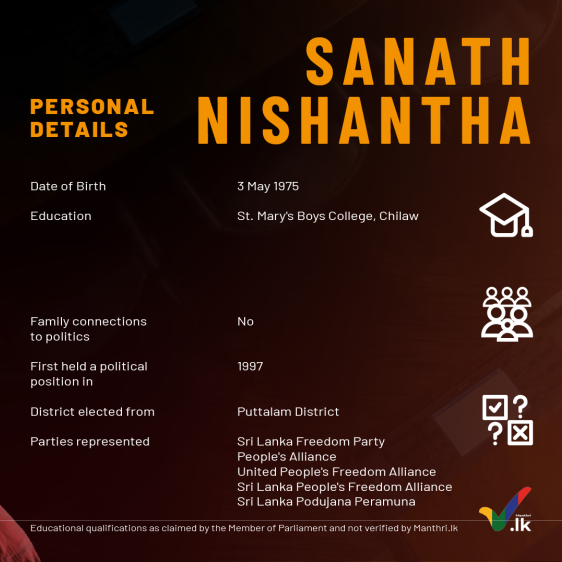
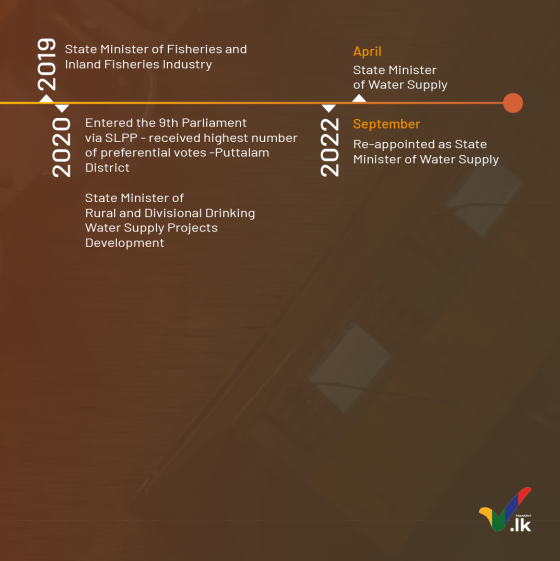
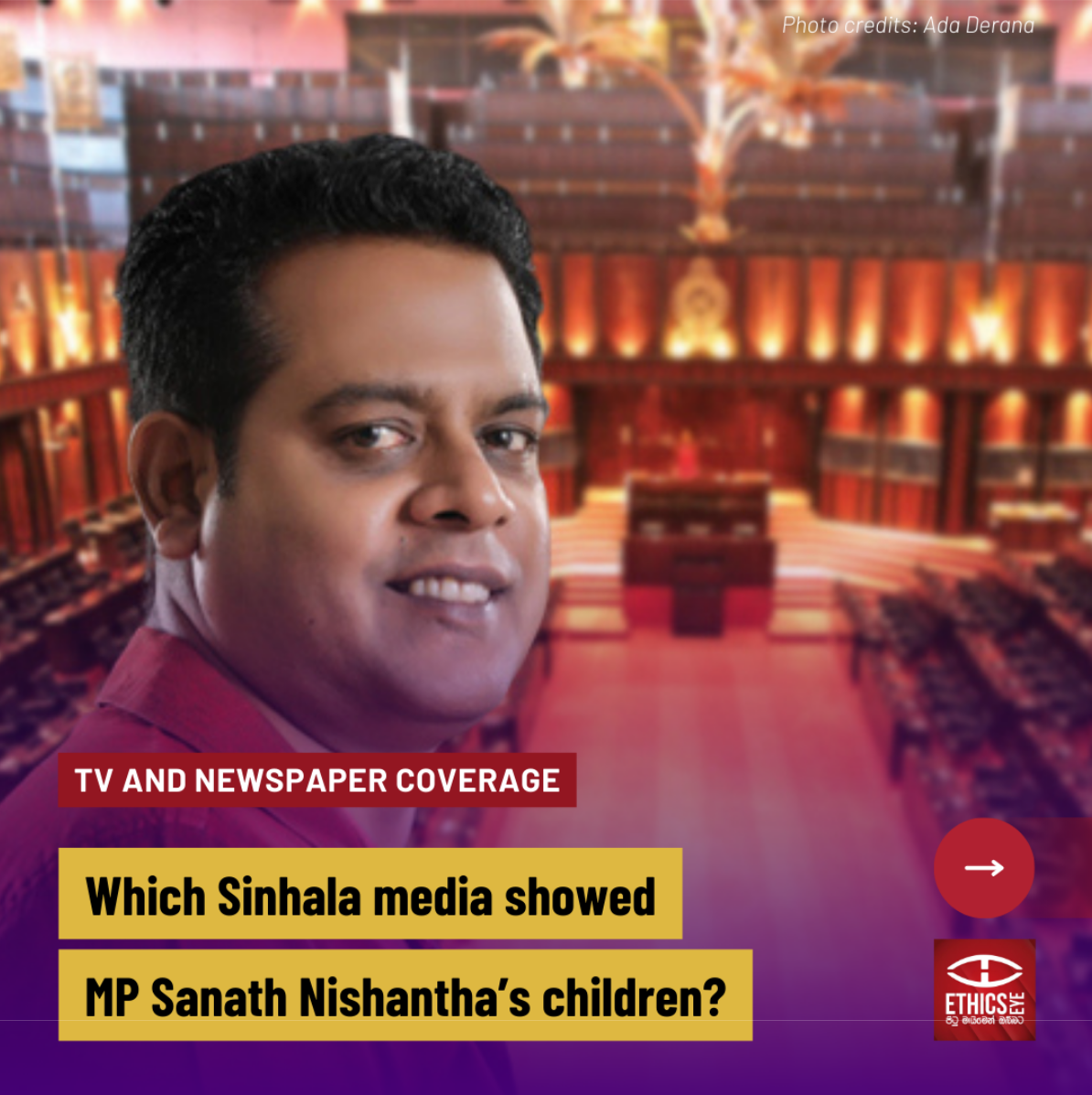
02.Sanath Nishantha’s death exhumes anger against the SLPP
The past week’s Sinhala and Tamil press converged in relation to six main stories. The six stories were on the: (i) increase of the Value Added Tax (VAT) from 15 percent to 18 percent from January 1, 2024; (ii) ongoing anti-narcotics operation Yukthiya by Sri Lanka Police;
(iii) plans to hold an election in 2024; (iv) politicians switching political parties in
anticipation of elections; (v) proposals to recover Sri Lanka’s economy; (vi) impact of the adverse weather. The Tamil press exclusively featured President Ranil Wickremesinghe’s visit to Jaffna. The Sinhala press did not feature any cover story exclusively.
Do you want to see the divided priorities on a daily basis? Check out FrontPage. It captures the day’s headlines and features succinct summaries of the political news reported in the most widely read Sinhala and Tamil newspapers.
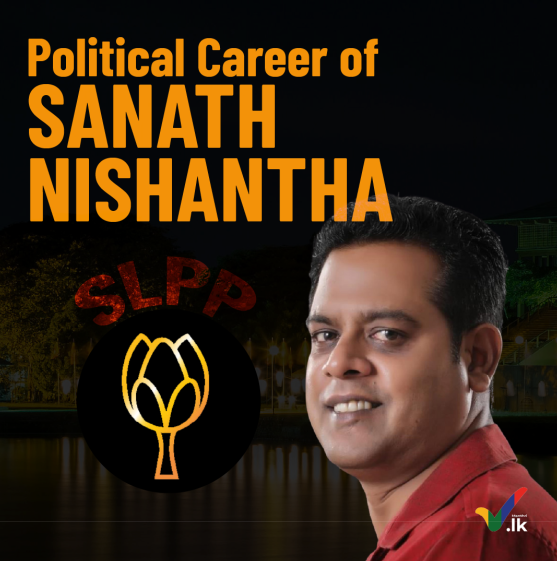



[1] For more information, see https://www.dailynews.lk/2024/01/26/admin-catagories/breaking-news/367066/state-minister-sanath-nishantha-constable-killed/ and https://www.adaderana.lk/news.php?nid=96711.
[2] In accordance with TMA’s methodology to monitor social media, the TMA team filtered the five posts with the highest interactions on Facebook in Sinhala for the name Sanath Nishantha and the phrase rest in peace using CrowdTangle, from January 22 to 27.
[3] See TMA Vol.12, #17.
[4] See TMA Vol.12, #18.
[5] For more information, see https://www.dailymirror.lk/print/caption-story/Nishantha-rides-without-helmet/110-192728, https://mawratanews.lk/news/summons-on-fmr-pm-mahinda-namal-sanath-johnston-prasanna-and-deshabandu-for-attacking-gota-go-gama-in-may-this-year/ and https://www.themorning.lk/articles/eX3NP9ilaYu4afFjSPFB.
[6] Ibid. and https://www.newsfirst.lk/2022/07/26/aragalaya-should-have-been-dealt-with-the-same-way-dissent-was-dealt-in-the-70s-80s-slpps-sanath-nishantha/.
[7] https://groundviews.org/2021/10/24/when-impunity-becomes-the-norm/.
03. The Language Divide
Signposts the di”erences and nuances in reporting between Sinhala and Tamil language newspapers
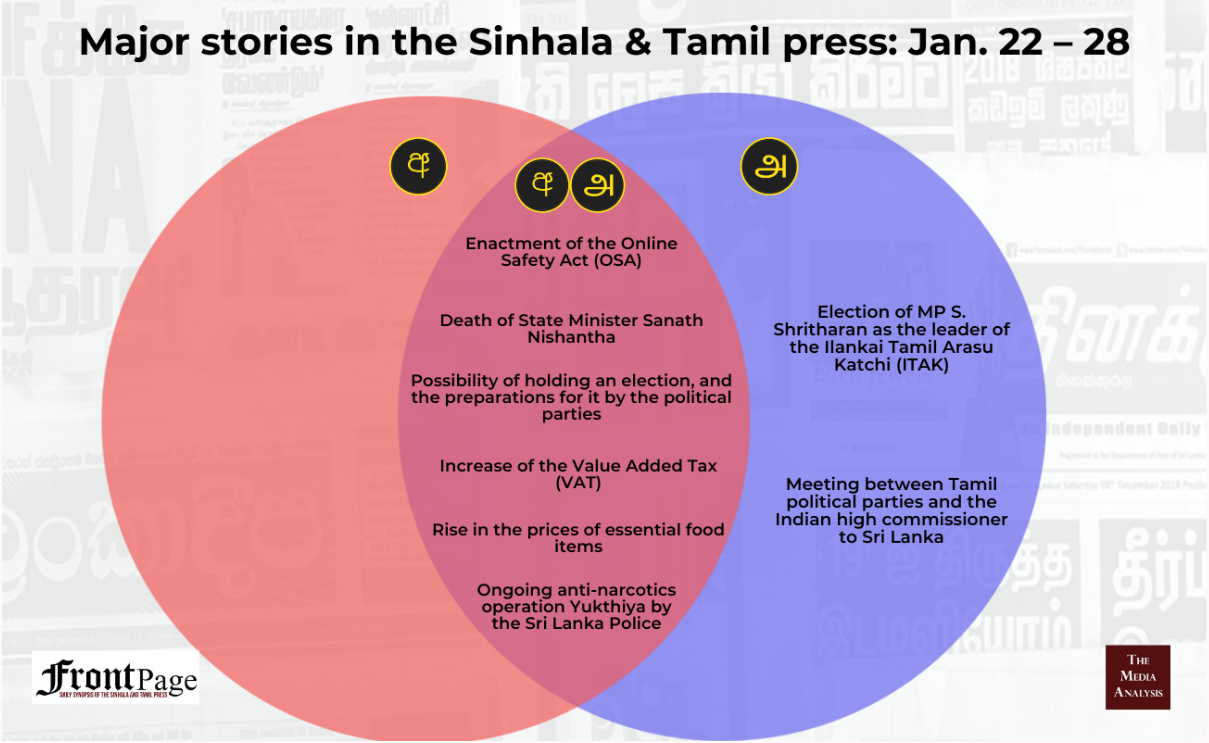
The past week’s Sinhala and Tamil press converged in relation to six main stories. The six stories were on the: (i) enactment of the Online Safety Act (OSA); (ii) death of State Minister Sanath Nishantha; (iii) possibility of holding an election, and the preparations for it by the political parties; (iv) increase of the Value Added Tax (VAT); (v) rise in the prices of essential food items.; (vi) ongoing anti-narcotics operation Yukthiya by the Sri Lanka Police. The Tamil press exclusively featured stories on the election of MP S. Shritharan as the leader of the Ilankai Tamil Arasu Katchi (ITAK) and the meeting between Tamil political parties and the Indian high commissioner to Sri Lanka. There were no stories featured exclusively in the Sinhala press.
Do you want to see the divided priorities on a daily basis? Check out FrontPage. It captures the day’s headlines and features succinct summaries of the political news reported in the most widely read Sinhala and Tamil newspapers.
Commemorating 37 years since the Kokkadichcholai massacre: How did TV channels cover it?
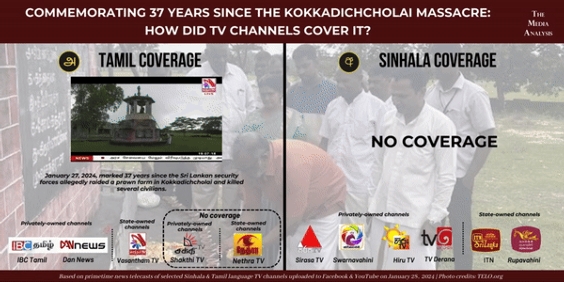
January 27, 2024 marked 37 years since the Sri Lankan security forces allegedly raided a prawn farm in Kokkadichcholai and killed several civilians. A commemorative event was held on that day. Privately-owned Tamil channels IBC Tamil and Dan News and state-owned Vasantham TV allotted coverage to the incident. However, none of the Sinhala TV channels nor state-owned Tamil channel Nethra TV and privately-owned Shakthi TV allotted any coverage to the incident.
04. The TV coverage of the issue
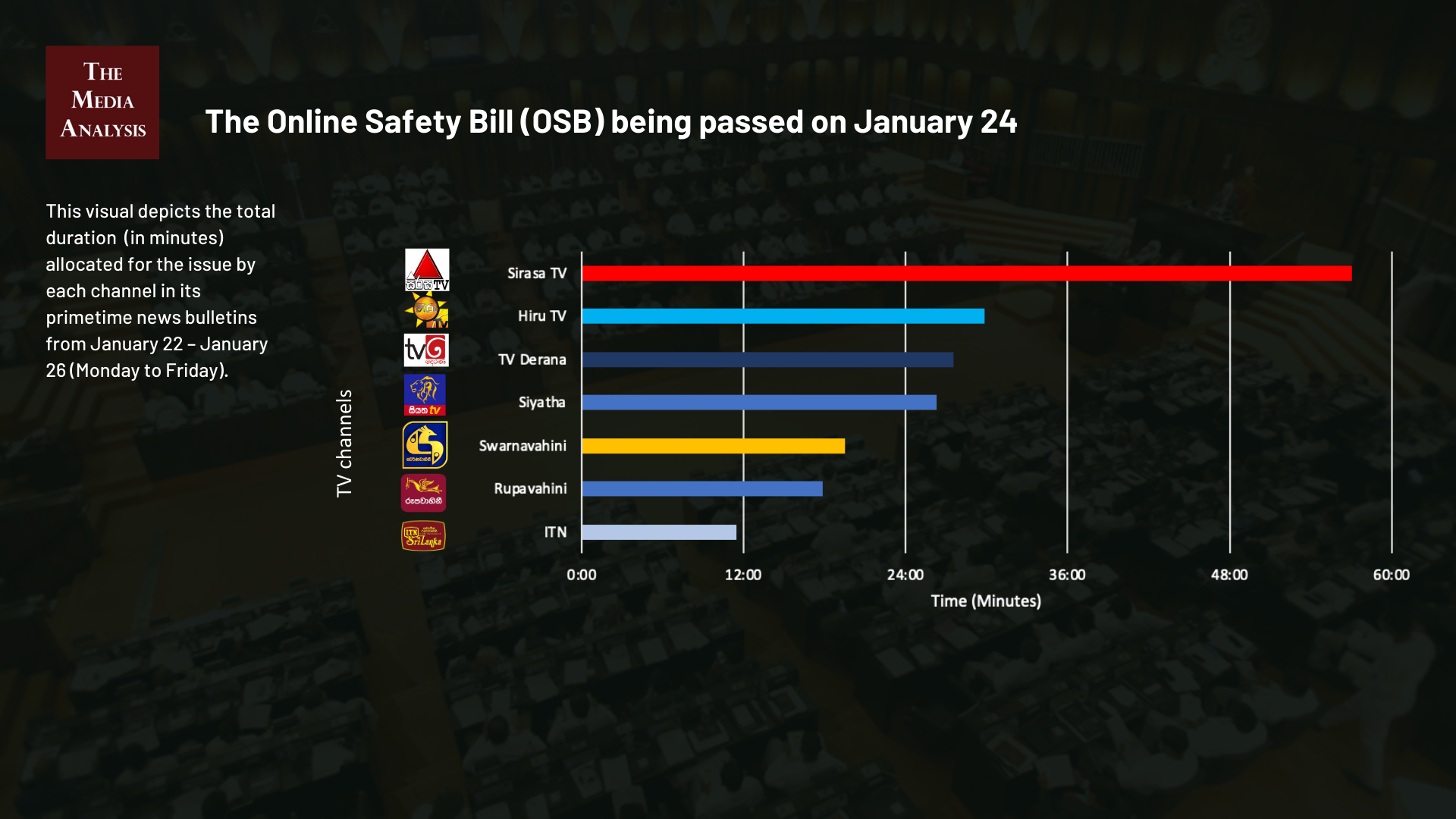
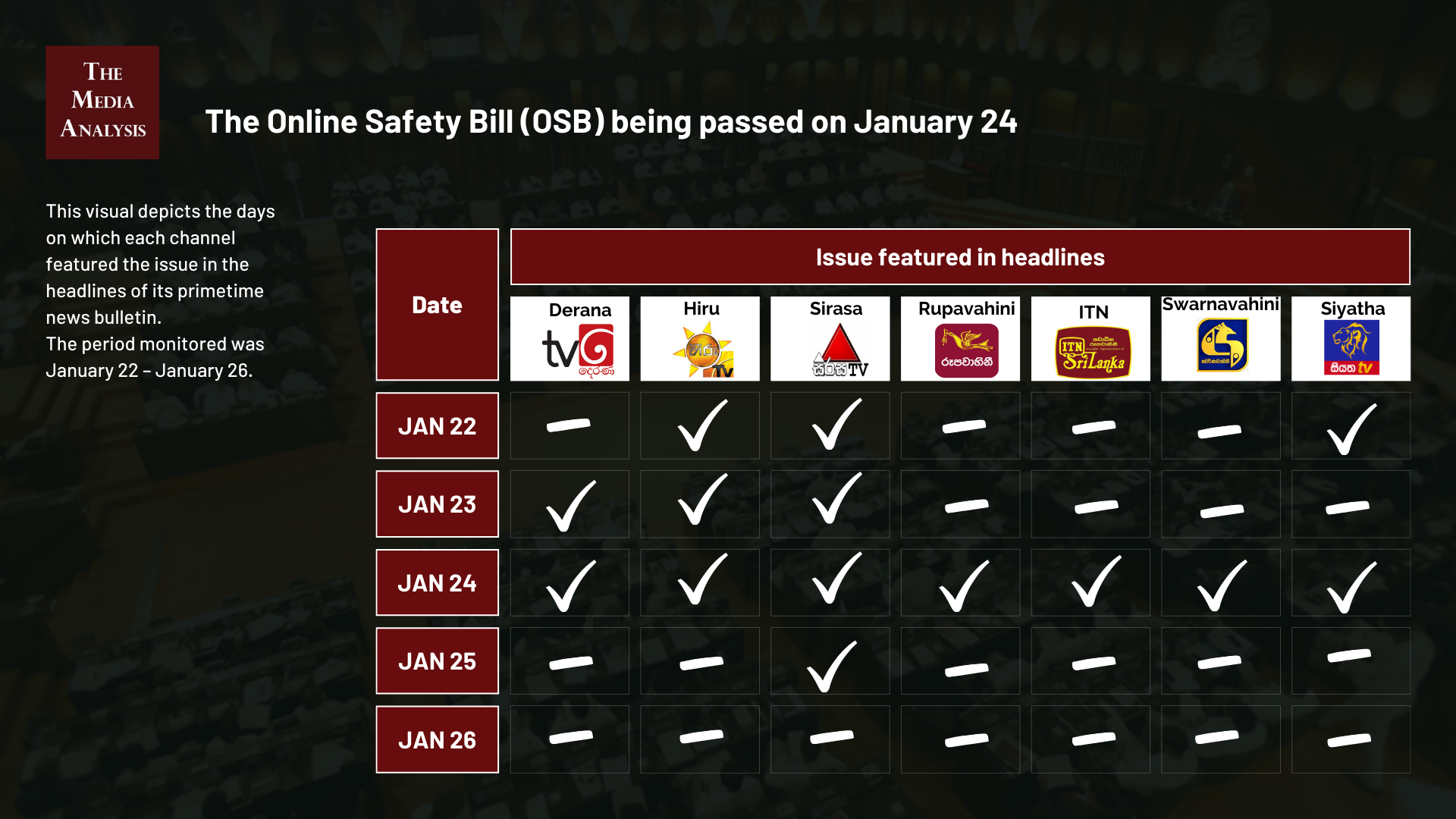
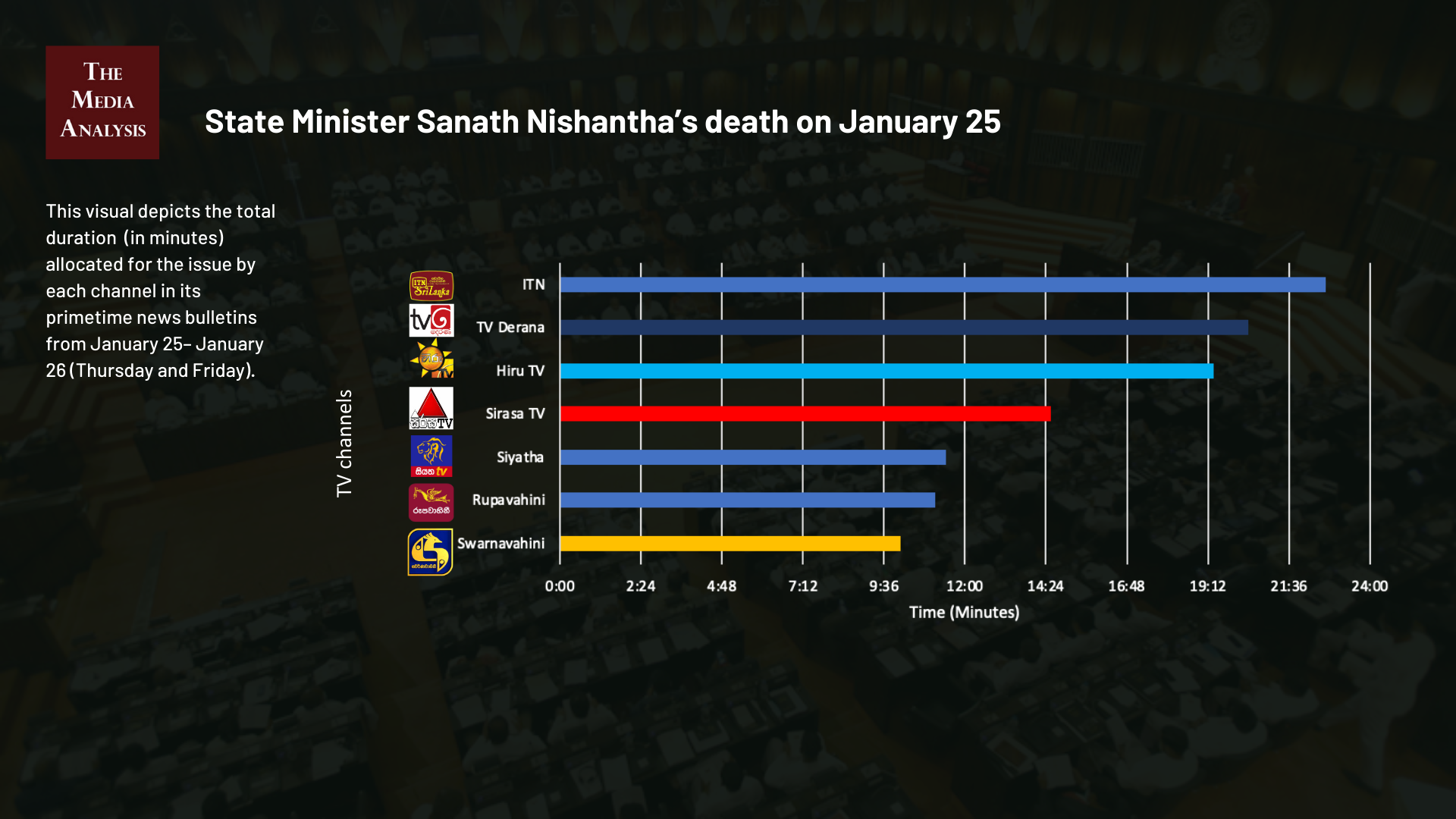
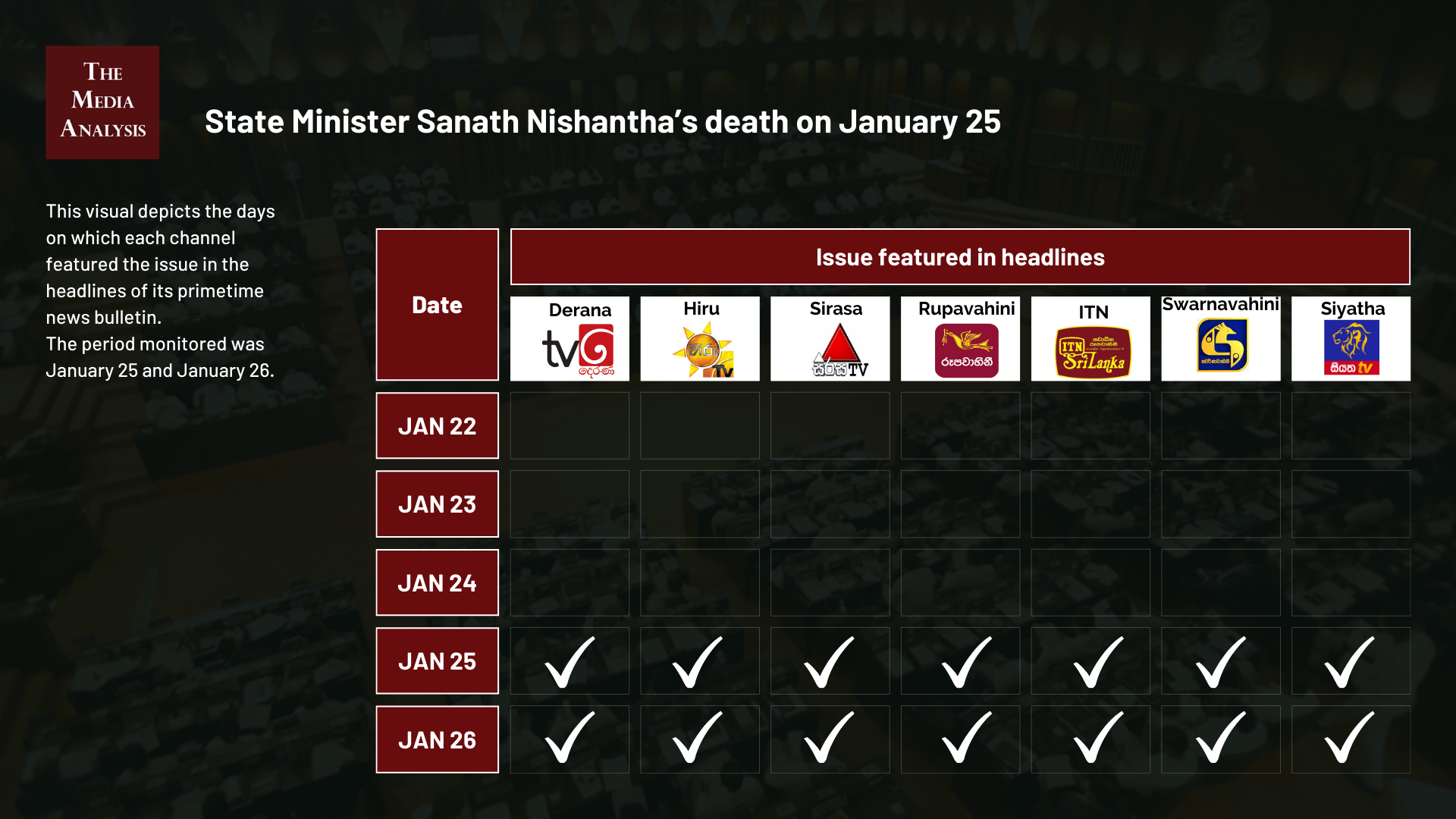
The data on television coverage is based on the monitoring of the primetime news telecasts of selected Sinhala language TV channels uploaded to YouTube.
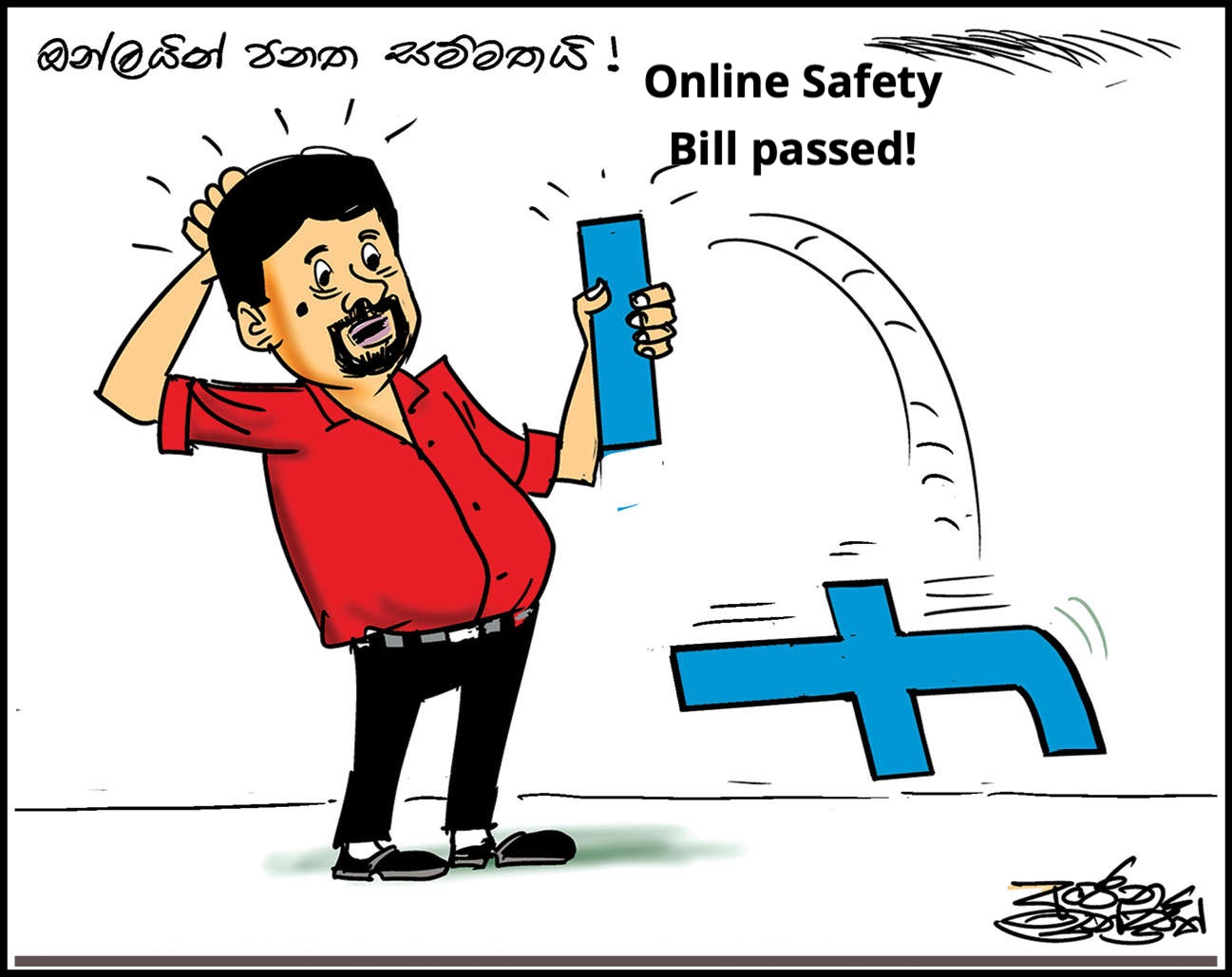
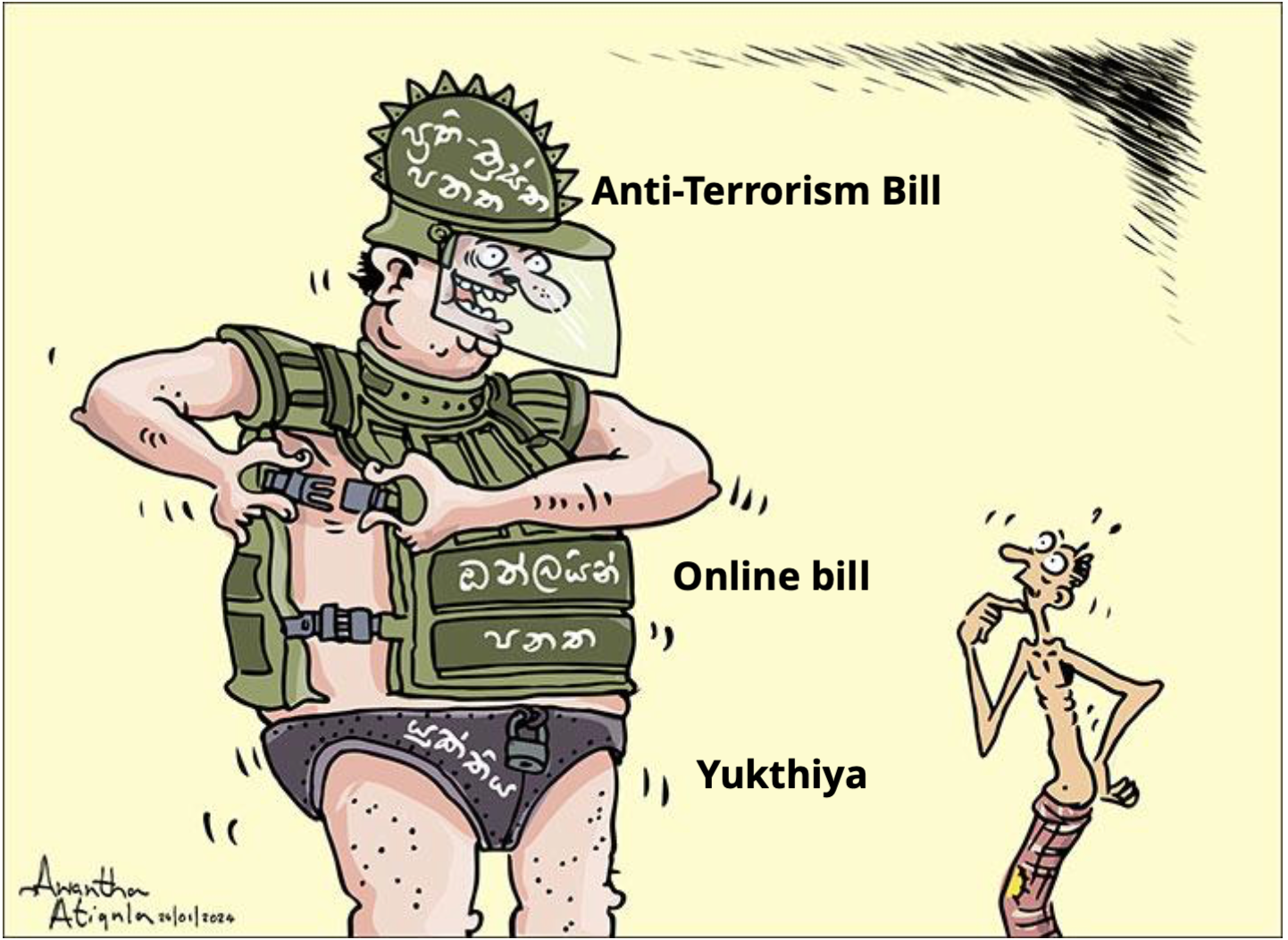
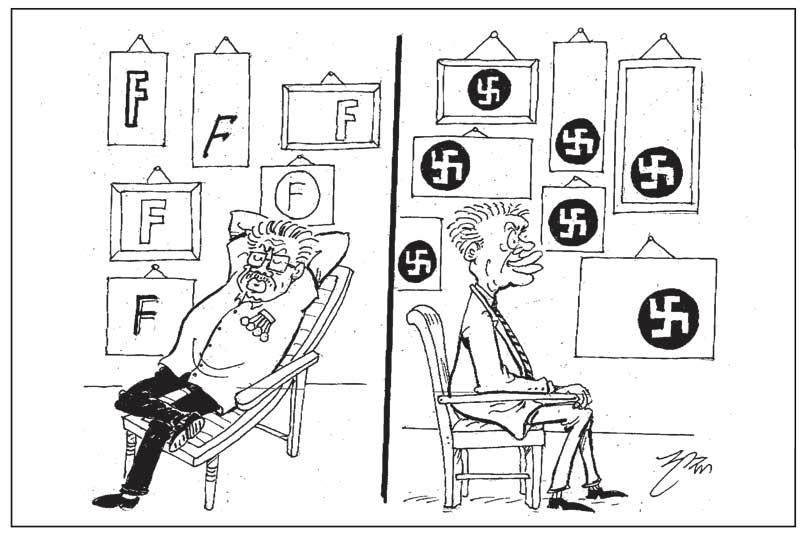
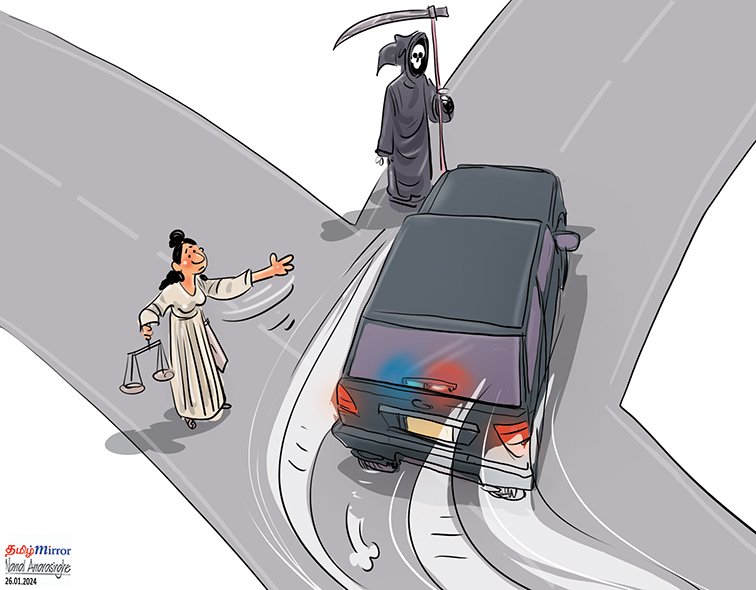
05. This week’s cartoons
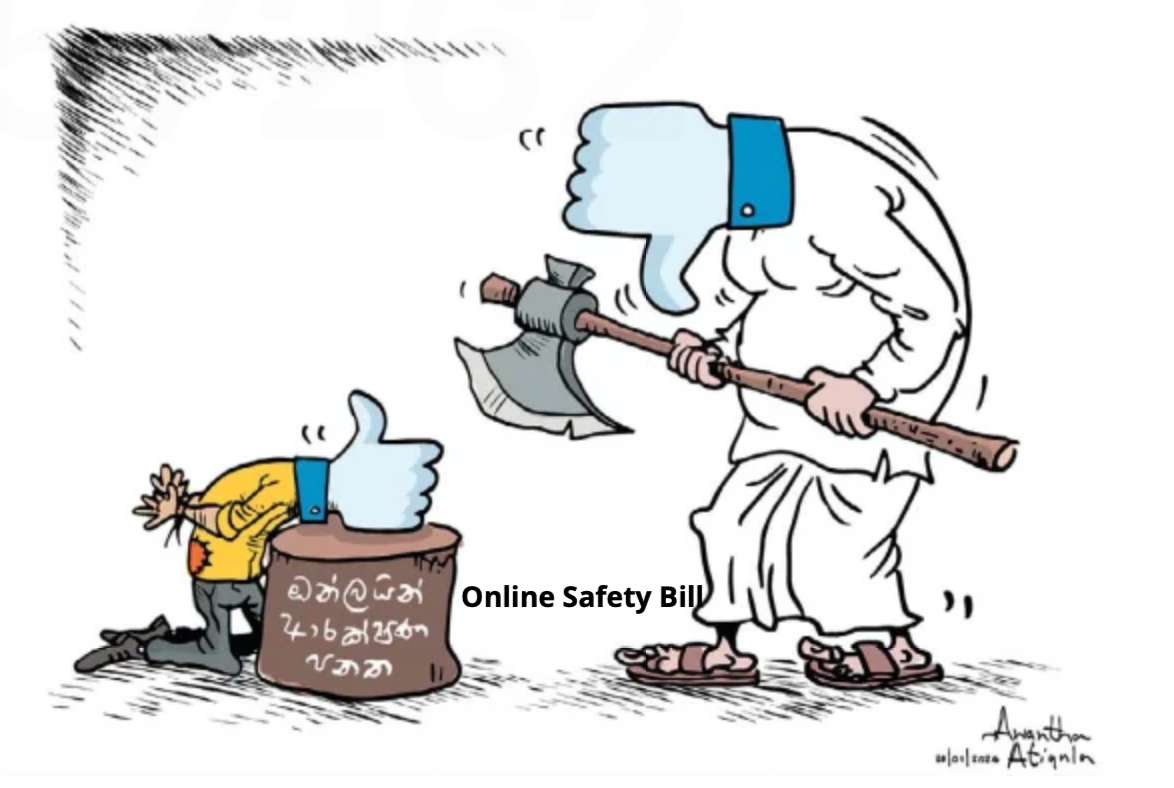
Courtesy of Lankadeepa, Jan.28, 2024

06. This week’s memes
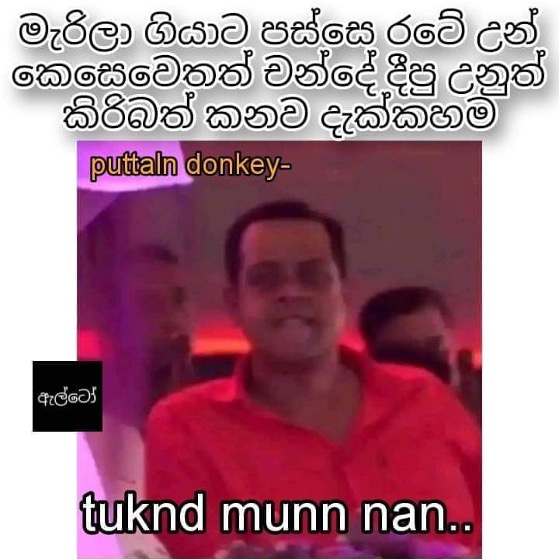
Forget the people in the country; even the people who voted for him are also eating kiribath (milk rice – a traditional food eaten to celebrate an event) after his death
On the top of the meme – Puttalam donkey (the term “Puttalam booruwa (donkey)” is used in colloquial Sinhala to call someone a big fool. The term has a dual meaning here as Sanath Nishantha was an MP from the Puttalam District and was considered to be a fool by the people.)
Damn these people…
The phrase written in English letters is often used on Facebook as a way of swearing; the phrase is written in such a way as to not get flagged as a violation of Facebook guidelines.
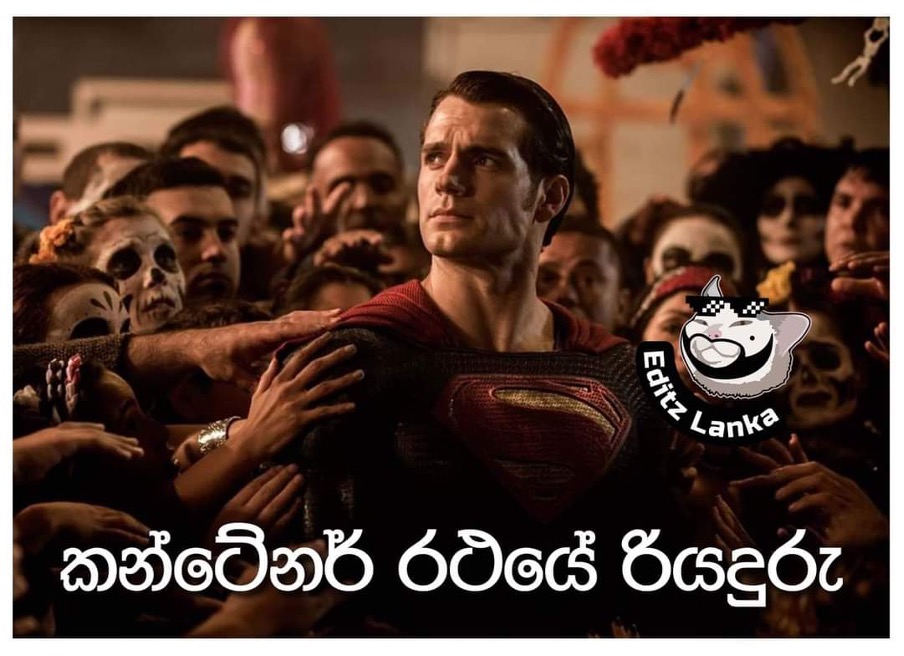

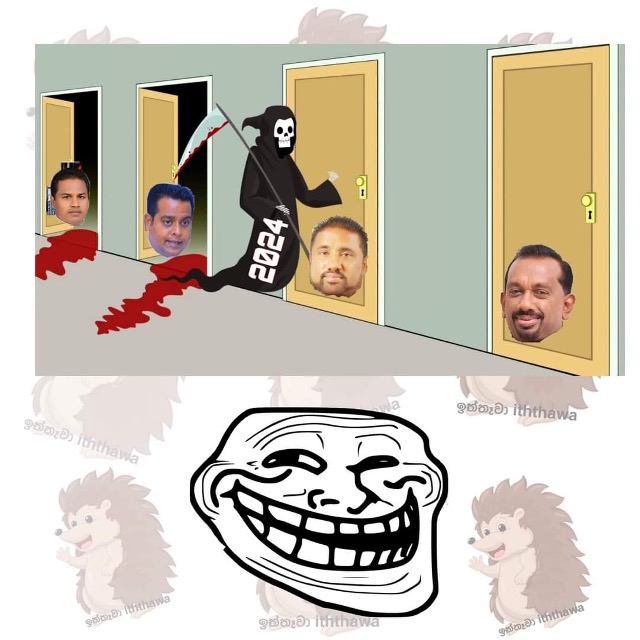
They said 2024 will be good
Didn’t think it would be this good
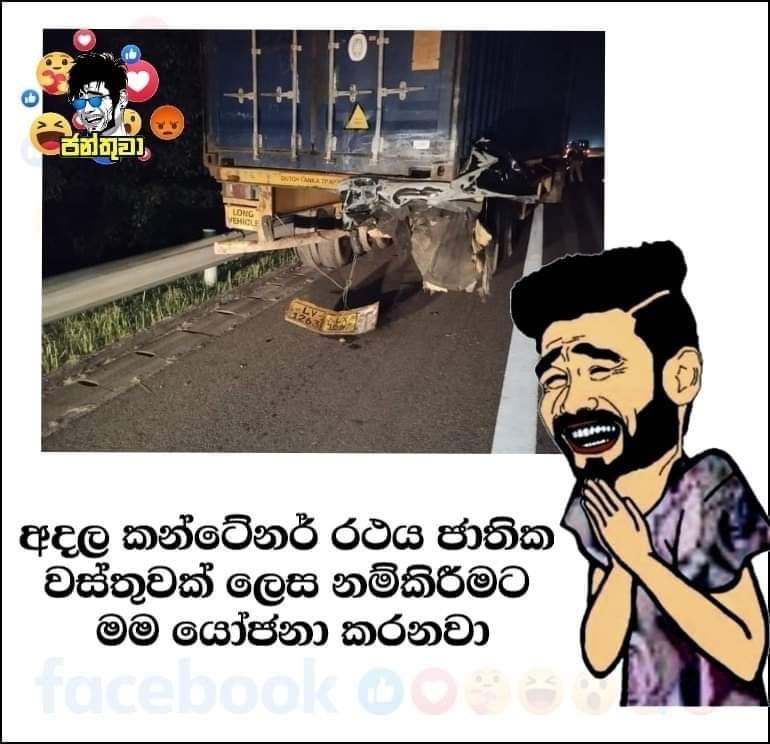
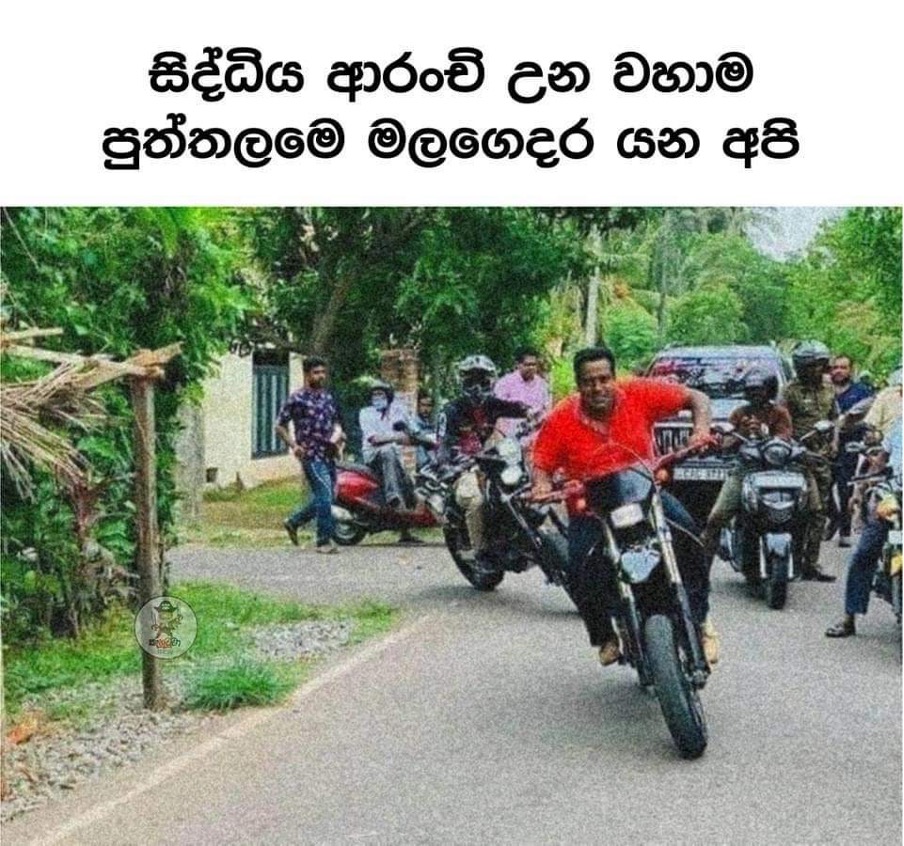
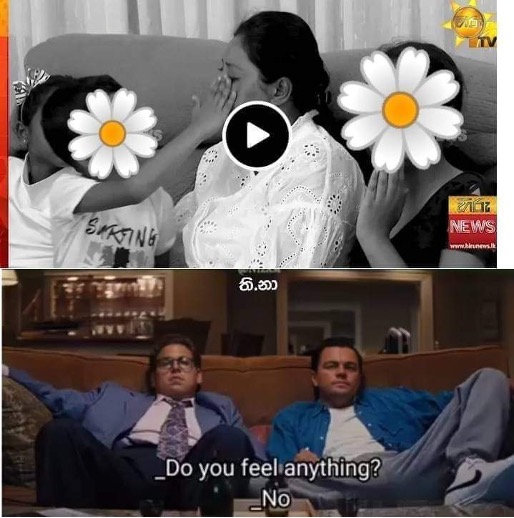
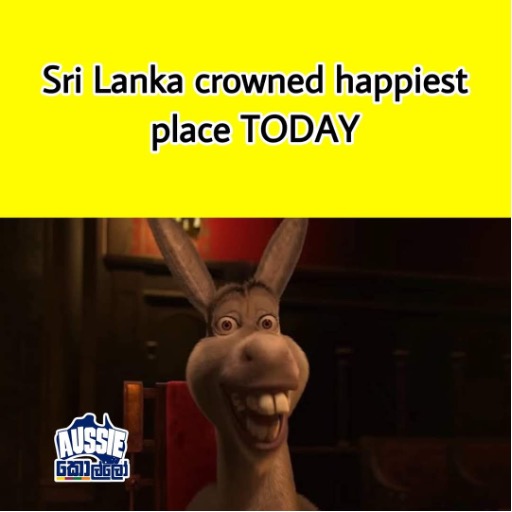
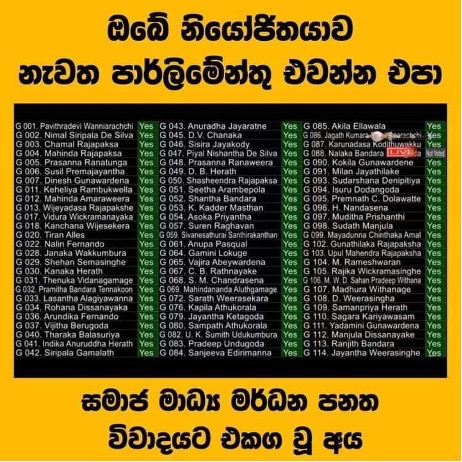
Don’t send your representative to parliament again
The ones who agreed to the debate on the social media suppression bill
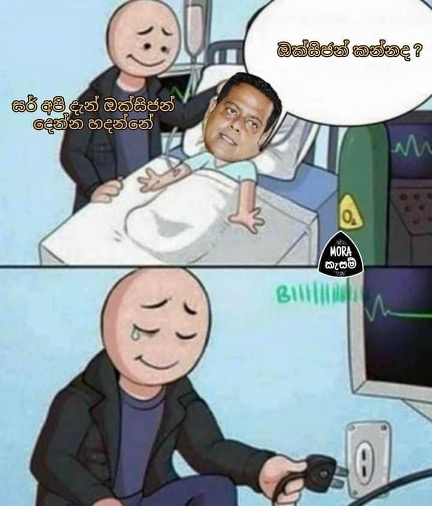
Doctor: Sir, we are trying to give oxygen now
Sanath Nishantha: Of what use is oxygen, to eat?
Context: In 2020, State Minister Sanath Nishantha had an argument with Gampaha District forest officer Devani Jayathilaka over a project that involved using the mangrove forests. He is said to have asked “ඔක්සිජන් කන්නද?” (“Of what use is oxygen, to eat?”) during this argument
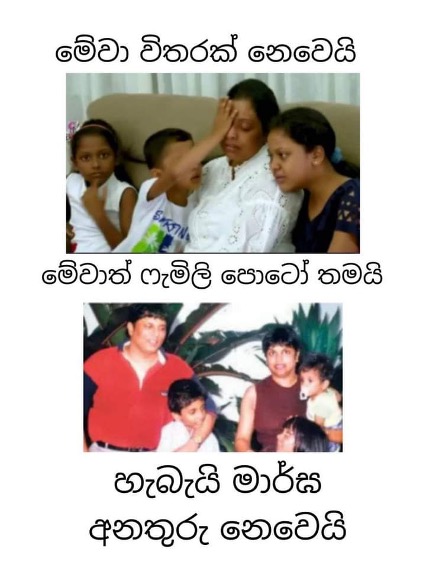
Not only these
These are also family photos
But not traffic accidents
(Top: A photograph of Sanath Nishantha’s family; Bottom: A photograph of Lasantha Wickremetunge’s family)
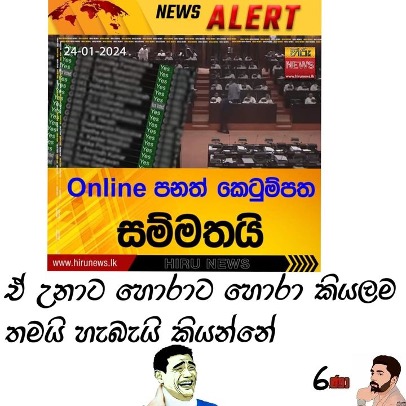
The Online Safety Bill passed
But we will continue to call a thief, a thief
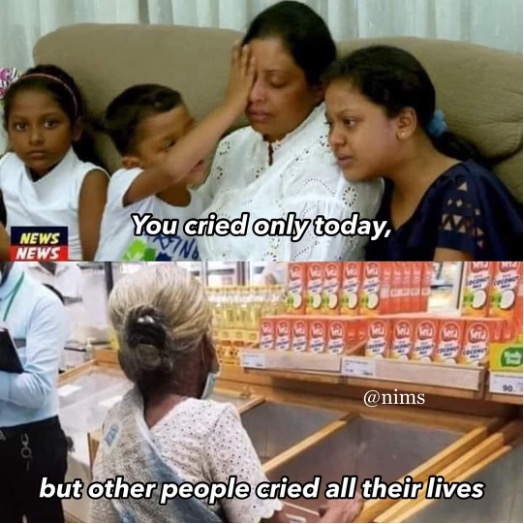
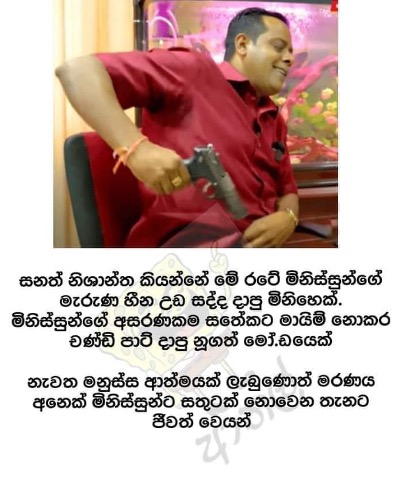
Sanath Nishantha is someone who bullied the people when their dreams had died.
He is an uneducated fool who did not take the slightest notice of the helplessness of the people but intimidated them
If you are ever born again as a human being, please live in such a way that your death is not a joy to others
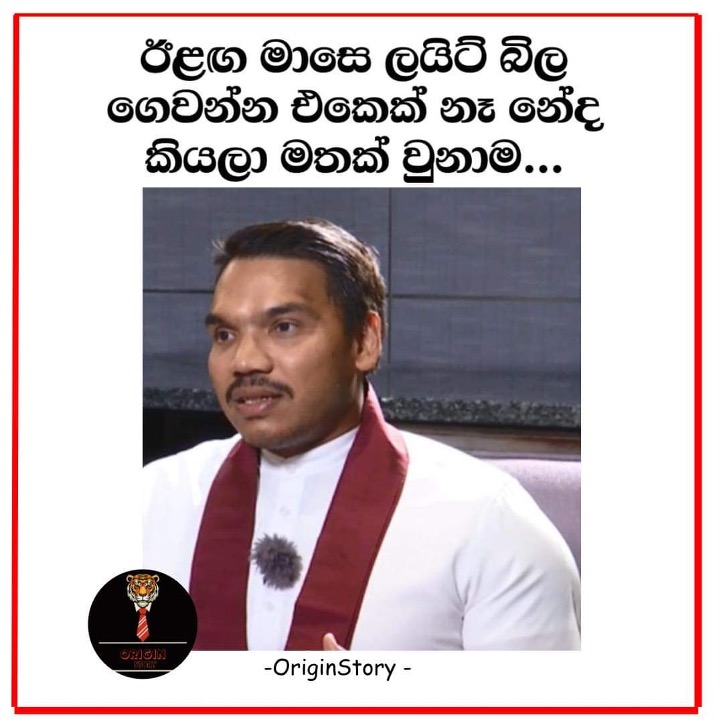
When you remember that there is no one to pay the electricitybill next month
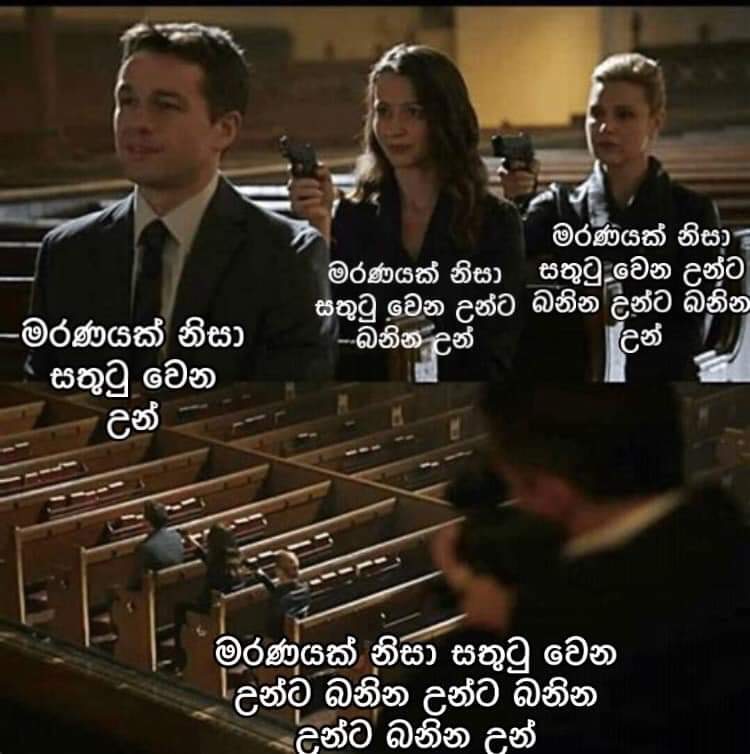
Those who are happy that someone died
Those who are scolding the ones who are happy that someone died
The ones who are scolding those who are scolding the ones who are happy that someone died
Those who are scolding the ones who are scolding those who are scolding the ones who are happy that someone died

Ethics for the baiyas (SLPP supporters)
Context: In an interview with Chris Morris in 2009, the then Secretary of Defence Gotabaya Rajapaksa asked “Who is Lasantha Wickremetunge” as a response to a question from the interviewer. Lasantha Wickremetunge was a journalist and the founder of the Sunday Leader newspaper and was a critic of the Mahinda Rajapaksa administration. He was allegedly assassinated on January 8, 2009.

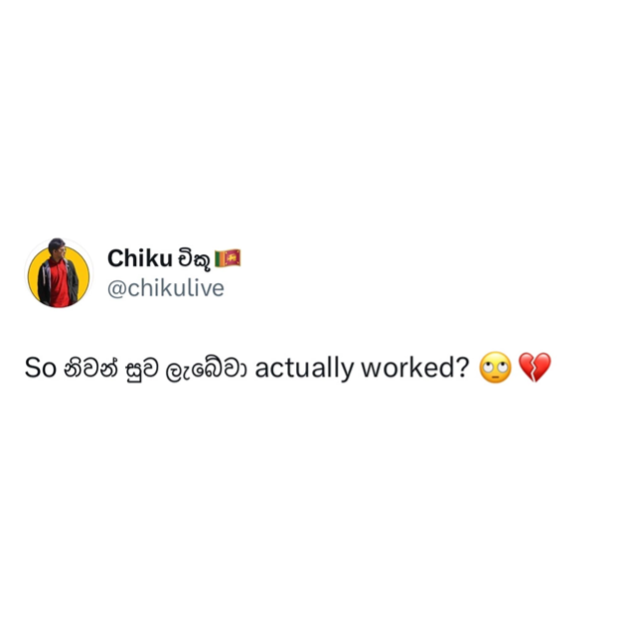
*NPP
Clockwise: We are against the Online Safety Bill
Y’all will repeal it when y’all come (to power) right?
Y’all will repeal it right…?
07. Other topics covered in reportage
- Increase of the electricity tariffs
- Strikes launched by the staff of the health sector
- The election of MP S. Shritharan as the leader of the ITAK
- Overturning of Duminda Silva’s presidential pardon
- Formation of political coalitions in anticipation of elections
To view this week’s news summaries, please click here

© Verité Research Private Limited. All Rights Reserved.