
The government’s defence of sovereignty is coupled with pledges of domestic reform—consolidating nationalist support while easing international pressure.
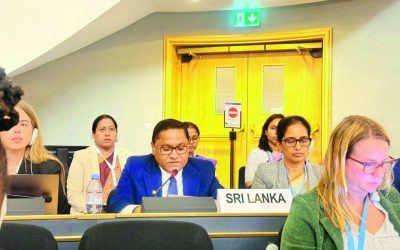
UNHRC: Celebrating rejection; consolidating support
read more
The government’s defence of sovereignty is coupled with pledges of domestic reform—consolidating nationalist support while easing international pressure.
The NPP’s first year is mostly celebrated for a clean break from corrupt politics—highlighting anti-corruption drives, institutional integrity, and the mandate for ‘system change.’
The scrutiny of the wealth of the government ministers does not suggest corruption but highlights a contradiction: the JVP/NPP’s image of collective sacrifice seems to be undermined by personal affluence, risking the authenticity of their “system change” brand.
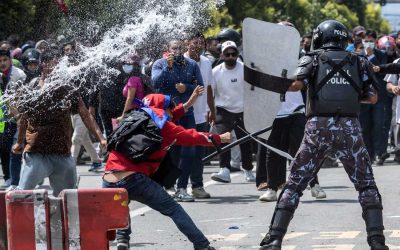
Nepal’s unrest appears less about Nepal and more a mirror of Sri Lanka’s anxieties — Sinhala social media commentary used it retrospectively to validate the leadership of Wickremesinghe in the aftermath aragalaya.
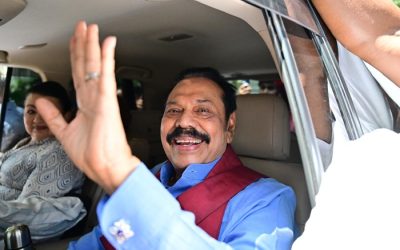
The repeal of presidential entitlements created two opposing sentiments: for NPP supporters, Mahinda Rajapaksa vacating his residence symbolised a break from élite privilege and system change; for his loyalists, it was a humiliating expulsion that erased his aura of exceptionalism and was framed as an attack on a leader still revered for ending the war.
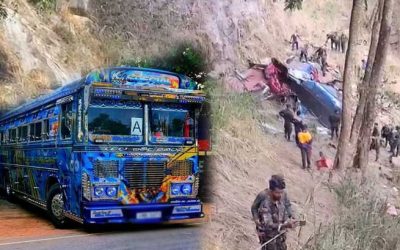
The Ella bus accident has come to embody public perceptions of indiscipline and recklessness in Sri Lanka’s transport sector—especially within the private bus industry—and this surge of outrage appears to have created space for the NPP’s Clean Sri Lanka initiative to be viewed with renewed relevance.
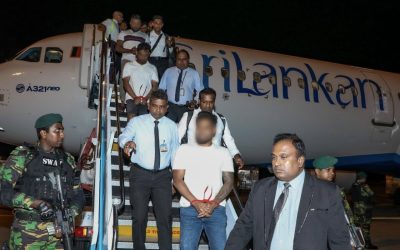
Coverage of the arrests of five high-profile Sri Lankan organised criminals in Indonesia was received not only as a law enforcement success but also as a visible effort to deliver on campaign commitments — even if scepticism about deeper structural change persists.
Macro-Media Political Analysis: Special Issue
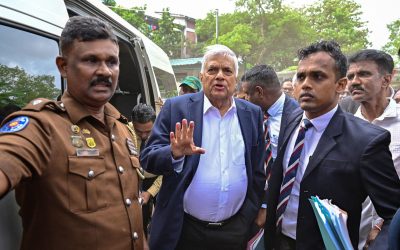
Ranil Wickremesinghe’s unprecedented arrest bolstered the NPP’s anti-corruption credentials. However, it also stirred short-lived sympathy for Wickremesinghe from specific segments in society. Wickremesinghe’s arrest has opened political space for the NPP to shed association with his status quo economic policies and rally broader opposition forces under a common cause.
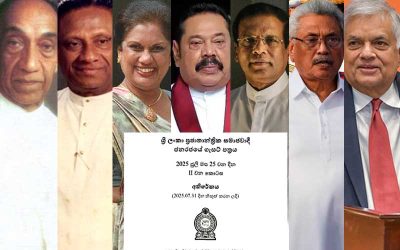
The move to revoke presidential privileges is less about its financial impact and more about symbolically rejecting Sri Lanka’s old political culture of entitlement. The move signals the new government’s commitment to reform and a break from the privileges enjoyed by past leaders. However, some critics argue it may be driven by political retaliation and victimisation rather than genuine reform.
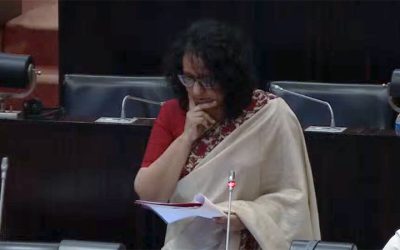
The parliamentary question and follow-ups on SupremeSAT appeared strategically framed as a publicity tool to portray Chichi – the youngest Rajapaksa son – as the driving force behind a highly profitable and nationally significant satellite project, despite limited evidence of either the profit source or Chichi’s role. This narrative also served to reframe alleged illicit wealth linked to the Rajapaksa family as legitimate entrepreneurial success, countering corruption accusations from political opponents.